






The Adult Brain's Potential
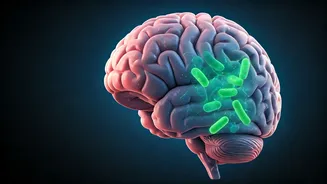
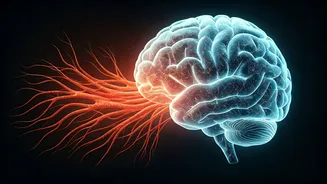
Contrary to popular belief, the brain isn't fixed after childhood; it possesses remarkable neuroplasticity, the ability to adapt and form new connections
throughout life. A physician with extensive training at prestigious institutions like Harvard, Columbia, and Cornell highlights that this adaptability is key to maintaining and even improving cognitive functions as we age. The core principle involves consistently introducing the brain to new and stimulating experiences. This constant engagement compels the brain to forge fresh neural pathways and reinforce existing ones, leading to a tangible enhancement in cognitive capabilities and even structural alterations within the brain itself. This concept challenges the notion of cognitive decline and instead offers a proactive approach to brain health. The focus isn't on rote memorization, but rather on the intricate process of learning, grappling with problems, and adapting to new information, all of which actively stimulate and foster brain growth.
Walking: A Powerful Stimulus
A surprising revelation from a doctor trained at Harvard, Columbia, and Cornell is that low-impact exercise, specifically a daily walk, can significantly impact brain health, particularly for women in midlife. Engaging in a 40-minute walk, as little as three times a week, has been shown to promote the growth of the hippocampus, a vital brain region responsible for verbal memory and learning, which naturally tends to shrink with age. This gentle activity offers a potent countermeasure against the cognitive fog often associated with the hormonal shifts and increased stress levels experienced during midlife. The doctor emphasizes that this form of movement actively reduces cortisol, a stress hormone, while simultaneously providing physical activity and improving mood, especially when enjoyed outdoors. This makes it an exceptionally effective and accessible 'secret hack' for managing stress and maintaining sharp cognitive function.
Beyond Walking: Holistic Brain Growth
While walking offers profound benefits, a holistic approach to brain growth encompasses a broader range of activities designed to challenge and stimulate neural pathways. Engaging in mentally demanding hobbies, learning new skills, and practicing mindfulness are all integral components of this strategy. Examples include acquiring proficiency in a new language, mastering a musical instrument, or participating in intricate problem-solving games. These pursuits push the brain beyond its comfort zone, encouraging it to adapt and create new connections. Furthermore, a healthy lifestyle, including a balanced diet rich in antioxidants and omega-3 fatty acids and regular physical activity, is foundational. Exercise boosts cerebral blood flow, delivering vital oxygen and nutrients, while a nutritious diet protects brain cells and optimizes their function. Ultimately, the brain, much like a muscle, thrives on consistent and varied engagement, leading to increased strength and capacity over time through sustainable lifestyle choices.