



The Science of Roasting
Achieving perfectly roasted asparagus hinges on a few key scientific principles that maximize flavor and texture. High oven temperatures, around 400°F
(204°C), are crucial because they rapidly evaporate the surface moisture from the asparagus spears. This rapid evaporation concentrates the natural sugars within the vegetable, accelerating the Maillard reaction, which is responsible for browning and developing those delightful caramelized notes. Furthermore, arranging the asparagus in a single layer on a baking sheet is vital; it ensures that each spear receives direct exposure to the hot, dry air. This prevents the asparagus from steaming, which would result in a mushy texture, and instead promotes true roasting. The addition of oil, typically olive oil, plays a multifaceted role: it acts as a medium for conductive heat transfer, helping the heat reach the vegetable's surface more efficiently. It also aids in dissolving fat-soluble flavor compounds present in the asparagus, thereby enhancing its overall taste and ensuring a more even coating for superior flavor distribution and browning.
Essential Ingredients Explained
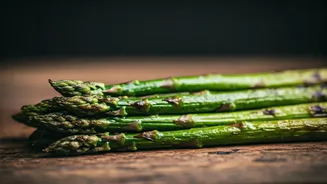
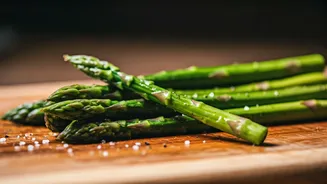
Creating delicious roasted asparagus requires just a few fundamental components. The star of the dish is, of course, asparagus, ideally harvested during its peak season from February to June, when the stalks are vibrant green and possess a naturally sweet, grassy flavor. The thickness of the spears influences both cooking time and texture; thicker stalks offer a more substantial bite, while thinner ones cook more quickly and yield a delicate result. Olive oil is your essential partner in this cooking process; a light drizzle is sufficient to facilitate even heat distribution, encourage that desirable browning, and prevent the spears from drying out during roasting. Simple seasonings like kosher salt and freshly ground black pepper are key to enhancing the asparagus's inherent taste, drawing out its natural sweetness without overpowering it. These core ingredients form the foundation for a perfectly roasted side dish that is both simple and satisfying.
Flavorful Customization Options
This roasted asparagus recipe offers a fantastic canvas for creative flavor additions and substitutions. For those seeking a different taste profile, white asparagus provides a milder, more delicate flavor due to its cultivation away from sunlight, while purple asparagus offers a slightly sweeter note, though its vibrant hue turns green upon cooking as its pigments break down. If you prefer a richer flavor over olive oil, melted butter can be used, though it tends to brown more quickly due to its milk solids; alternatively, avocado oil, vegetable oil, or coconut oil are excellent choices. Enhance the savory depth by incorporating minced fresh garlic, garlic powder, or onion powder before roasting. To introduce a bright, zesty element, finish the dish with a squeeze of fresh lemon juice or some lemon zest, or even roast lemon slices alongside the asparagus. For a cheesy finish, sprinkle grated Parmesan, Pecorino Romano, or feta cheese over the hot spears. Adding a textural contrast is easy with toasted nuts like almonds, walnuts, pecans, or pine nuts. Lastly, a variety of fresh herbs such as parsley, dill, mint, or rosemary, or even dried Italian seasoning, can be tossed in for an aromatic boost. For a touch of heat, a sprinkle of red pepper flakes or chili powder will do the trick.
Simple Roasting Procedure
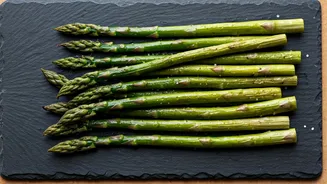
The process for roasting asparagus is commendably straightforward, beginning with preheating your oven to a consistent 400°F (204°C). This high temperature is crucial for rapid moisture evaporation and the initiation of browning. Next, prepare the asparagus by rinsing the spears under cool water and then thoroughly drying them to prevent steaming. Trim off the tough, woody ends; a helpful tip for thicker stalks is to use a vegetable peeler on the outer layer or to bend a spear until it naturally snaps, indicating the fibrous end. For seasoning, it's best to place the asparagus in a single layer directly on a rimmed baking sheet – this ensures maximum contact with the hot surface for even heat transfer. Drizzle with olive oil and toss to coat uniformly, then season with salt and pepper. Roast for approximately 5 minutes, then give the pan a shake to redistribute the spears for even cooking. Continue roasting for another 3 to 5 minutes, or until the asparagus is tender and exhibits lightly browned edges, typically taking around 10 minutes in total, depending on the thickness of the spears.
Troubleshooting & Storage
To ensure your roasted asparagus turns out perfectly every time, understanding common issues and proper storage is key. If your roasted asparagus ends up soggy, the most likely culprits are overcrowding the baking sheet, which traps steam, or not drying the spears adequately before roasting. Aim for a single layer and ensure the spears are patted dry. For storing any leftovers, place them in an airtight container in the refrigerator, where they will keep well for up to 5 days. When reheating, the oven is the preferred method to best maintain the asparagus's texture, though a microwave can also be used until warmed through. Be aware that reheating, especially in a microwave, will likely result in a softer texture compared to freshly roasted asparagus. This simple side dish pairs wonderfully with a variety of main courses, including steak, salmon, chicken, or lamb dishes, making it a versatile addition to any meal.