






What Are They?
Copper peptides are tiny protein fragments bound to copper ions. These naturally occurring complexes are vital for various bodily processes, including
collagen and elastin production. They've gained popularity in skincare due to their ability to assist in wound healing, reduce inflammation, and possibly stimulate collagen synthesis. Different products incorporate copper peptides, such as serums, creams, and lotions, to provide their potential benefits to the skin. The premise is that by delivering copper directly to the skin, it can boost the skin's ability to repair and rejuvenate itself, possibly leading to a more youthful and radiant appearance. This is why copper peptides have become a key ingredient in many anti-aging formulations.
How Do They Work?
Copper peptides support skin health through multiple mechanisms. They contribute to the natural repair processes of the skin by facilitating collagen and elastin production. These two proteins are essential for maintaining skin firmness and elasticity. The peptides also play an antioxidant role, safeguarding the skin from environmental stressors such as UV rays and pollution. They could also have anti-inflammatory effects, thereby aiding in diminishing redness and irritation. Some studies suggest that copper peptides might also assist in the removal of damaged collagen and elastin, leading to a more streamlined and improved skin texture. Through these actions, copper peptides aim to boost the overall health and appearance of the skin.
Ideal Skin Types
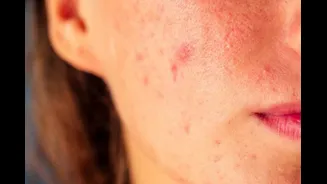
Copper peptides are generally well-tolerated by various skin types, but some factors should be considered. They're often suitable for mature skin as they aim to boost collagen and minimize fine lines and wrinkles. Those with sensitive skin should start with a low concentration to check how their skin reacts. Individuals with acne-prone skin might also benefit, as copper peptides can possess anti-inflammatory properties and encourage healing. It's advisable to perform a patch test when trying copper peptide products for the first time. This can help to observe any adverse reactions before fully incorporating them into your skincare routine. Additionally, consulting with a dermatologist can provide personalized advice based on your skin's specific needs and conditions.
Product Selection
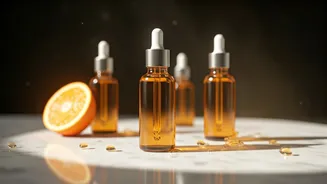
When choosing copper peptide skincare products, consider a few factors. Look for products with a concentration of copper peptides that aligns with your skin's needs. Serums are often a popular choice because they easily penetrate the skin. Always read the product's label to ensure it matches your specific skin concerns and preferences. Check the other ingredients to avoid potential irritants if you have sensitive skin. It's often helpful to begin with a low-concentration product and gradually increase it. Additionally, consider product formulations that complement your existing skincare routine, for example, combining copper peptide serums with moisturizers or sunscreens. Researching the product's reviews may help you understand whether it delivers its purported benefits.
Botox Enhancement?
Some individuals use copper peptides hoping they might enhance the outcomes of cosmetic procedures, such as Botox. The premise is that copper peptides may complement the effects of Botox by supporting the overall skin health. While Botox works by relaxing muscles to reduce wrinkles, copper peptides can potentially help maintain and improve skin texture and elasticity. However, it's essential to understand that there isn't definitive scientific evidence to confirm the synergistic effects of copper peptides and Botox. People considering such a combination should consult a dermatologist or a skincare specialist for advice. They can provide professional recommendations considering specific skin needs and the potential benefits and risks involved.