







A Village That Eats Together
In a remarkable departure from traditional norms, the village of Chandanki in Gujarat has implemented a unique system where communal cooking and dining
have become the heart of daily life. This initiative wasn't born out of mere novelty but as a thoughtful response to the growing issue of loneliness, particularly among the elderly. As younger generations migrated to urban centers for employment, a significant portion of the village's older population found themselves isolated, facing long, solitary days. The village head, Poonambhai Patel, inspired by his experiences abroad, proposed a powerful solution: establishing a central kitchen and a community hall. This space was envisioned not just as a place to serve food, but as a sanctuary for social interaction, storytelling, and mutual support, offering a tangible antidote to isolation and fostering a profound sense of belonging for all residents.
The Heartbeat of Chandanki
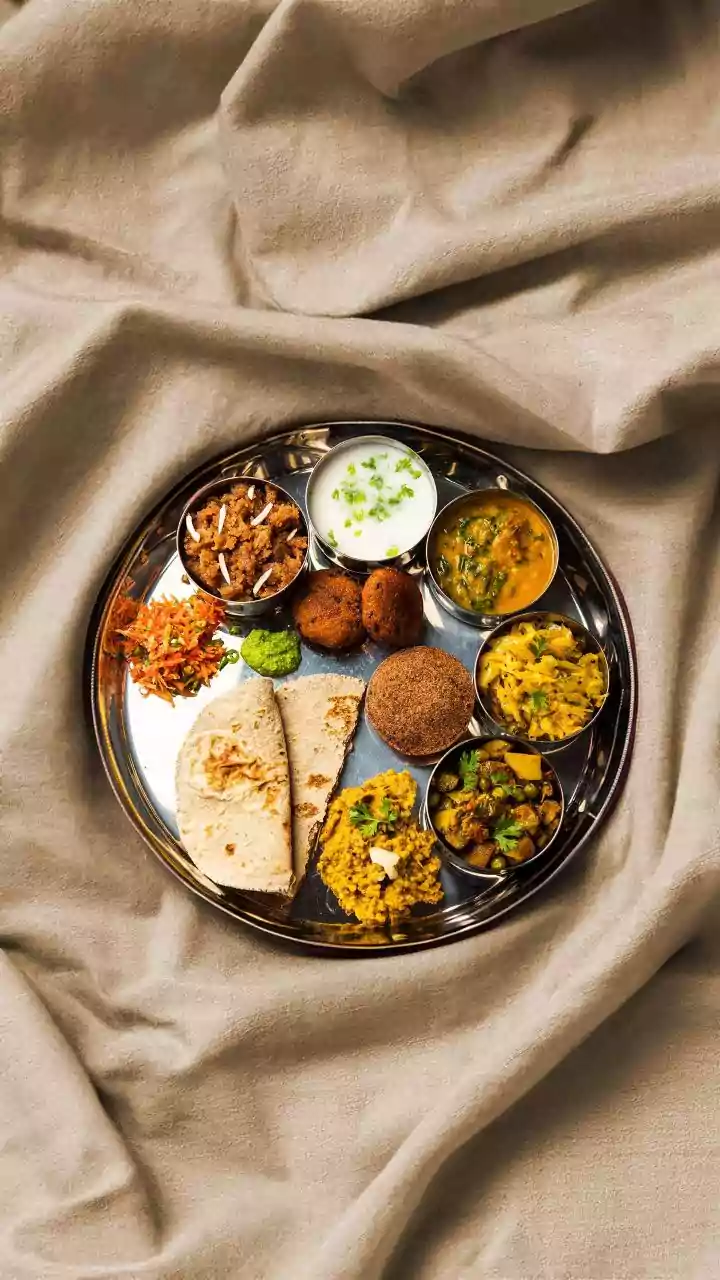
The operational framework of Chandanki's communal living is elegantly simple, revolving around a single, well-equipped kitchen and a welcoming community hall. This central kitchen, managed by hired cooks, prepares familiar, home-style Gujarati dishes daily—staples like khichdi, roti, sabzi, and chaas, alongside occasional festive delicacies. Residents contribute a modest monthly fee of approximately ₹2,000 per person, which ensures they receive two nutritious meals a day. The cooks are compensated with a stable monthly salary of around ₹11,000, making the entire venture financially viable and sustainable. The dining hall itself is a blend of modernity and tradition, featuring air conditioning powered by solar panels for a comfortable environment. More than just a place to eat, it has evolved into a crucial social nexus. Here, conversations flow freely, women discuss family matters, elders recount past experiences, and friends share laughter. It also serves as a safe space where individuals can voice concerns about health, loneliness, or daily challenges, effectively transforming meals into moments of collective care and connection in an increasingly disconnected world.
Overcoming Initial Doubts
The introduction of a communal kitchen and dining experience in Chandanki was met with understandable skepticism. Villagers harbored reservations, with some fearing a loss of personal touch and others expressing a reluctance to abandon the ingrained habit of home cooking. A few individuals simply resisted the prospect of change. However, through consistent effort and the demonstrable benefits, the community gradually embraced the concept. The elderly, in particular, found relief from the daily burden of meal preparation, gaining valuable time to rest and socialize. The dining hall transitioned from a mere eating space to a profound symbol of community and belonging. While the act of cooking may have shifted from individual homes to a central facility, the warmth and emotional nourishment traditionally associated with home cooking were effectively transferred and amplified within the communal hall, fostering an environment rich with shared laughter, empathy, and collective joy.
Why This Matters
Chandanki's pioneering initiative extends beyond a simple village experiment; it serves as a powerful illustration of how prioritizing human connection can yield significant societal benefits. By establishing a shared culinary space, the village not only addressed the pervasive issue of loneliness but also actively cultivated a culture of collective responsibility and mutual support. This model powerfully demonstrates that mealtimes can transcend solitary consumption, becoming vibrant platforms for dialogue and social integration. The nominal ₹2,000 monthly contribution is more than a fee for food; it represents an investment in social capital and community well-being. Similarly, the central kitchen signifies more than just operational efficiency; it embodies respect and dignity, particularly for the elderly, ensuring they can age with support and companionship rather than isolation. This approach underscores the fundamental human need for belonging and connection, offering a gentle yet profound reminder that strong social relationships are intrinsically linked to happiness and longevity, a message particularly relevant in today's fast-paced and often isolating world.