



Carrots Thrive From Seed
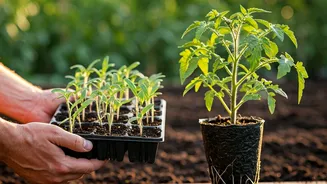
For the most successful carrot harvest, gardeners unanimously recommend sowing seeds directly into the soil. Starting carrots as seedlings often means
you get a limited number of plants, whereas direct sowing allows you to begin with a much higher quantity of seeds, potentially resulting in a significantly more abundant yield. This method ensures you get the most out of your planting efforts and enjoy a greater quantity of this beloved root vegetable.
Green Beans Best Sown Directly
Similar to carrots, green beans are exceptionally easy to germinate and flourish when planted directly into the garden beds. Opting for seedlings might lead to a reduced yield compared to sowing seeds. While some garden centers now offer green bean seedlings due to demand, it's common practice to double-seed them to provide customers with more plants, highlighting the advantage of starting with a greater number from the outset.
Nasturtiums: Seed Charm
Nasturtiums are resilient, easy-to-grow annuals that truly excel when their seeds are sown outdoors. This makes them ideal for direct sowing in most climates. Beyond being a more economical choice, planting from seed offers greater control over growing conditions and often a wider array of varieties to choose from. However, in regions with shorter growing seasons and early frost, starting these annuals indoors might be a beneficial strategy to ensure they mature before the cold weather sets in.
Wildflowers: Volume is Key
Experts strongly advise against purchasing wildflowers as seedlings, emphasizing that starting from seed outdoors results in a significantly larger yield. A single seed packet contains a vast number of seeds, offering a much greater volume of plants than you would typically get from pre-started seedlings. Given that wildflowers contribute to garden biodiversity and are vital for pollinators, maximizing their presence is highly beneficial, making seed sowing the clear winner.
Arugula's Delicate Roots
Delicate leafy greens like arugula and loose-leaf lettuce varieties are best sown directly where they will grow to maturity. These plants possess fragile, shallow root systems that can struggle to adapt to the stress of transplanting. By sowing them directly, gardeners ensure the freshest, most flavorful, and ultimately most productive harvest, as the plants avoid the shock of being moved and can establish themselves undisturbed.
Lima Beans Detest Disturbance
Lima beans, along with most common bean varieties, are notoriously averse to having their roots disturbed. This group includes popular garden staples like pinto beans and bush beans. For optimal growth and yield, these beans are far better suited to being sown directly into the soil, where their roots can develop without the trauma of transplanting, leading to healthier plants.
Root Crops: Undisturbed Growth
Root vegetables, such as radishes, carrots, and beets, are another category where direct sowing from seed is paramount. The primary reason is their sensitive taproots, which are the very part of the plant we harvest. Any disturbance to these roots can hinder their development and health. Planting them as seeds directly into the ground ensures these critical taproots remain undisturbed, leading to the best possible crop.
Okra Prefers Direct Sowing
Okra, a plant that thrives in hot summer conditions, also benefits most from being planted directly into the ground. While it can be transplanted, it possesses a long taproot that prefers not to be disturbed. Direct sowing is the preferred method for okra, although a transplant might be considered if you're running a bit late in the planting season. Always check if seedlings are root-bound if you opt for that route.
Sunflowers: Perennial Patience
When sunflowers are intended to grow as perennials, it's advisable to sow their seeds directly rather than purchasing seedlings. Perennial plants often grow at a slower pace before reaching maturity. By buying a seedling, you might find yourself waiting even longer for the sunflower to fully mature, especially in an environment where it struggles to establish itself as a perennial. Direct sowing allows for a more natural and potentially quicker establishment.