



The Dolomites' Grandeur
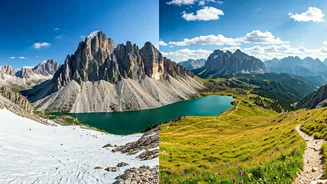
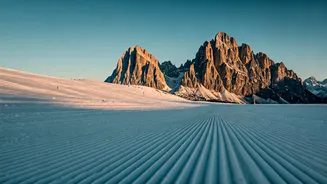
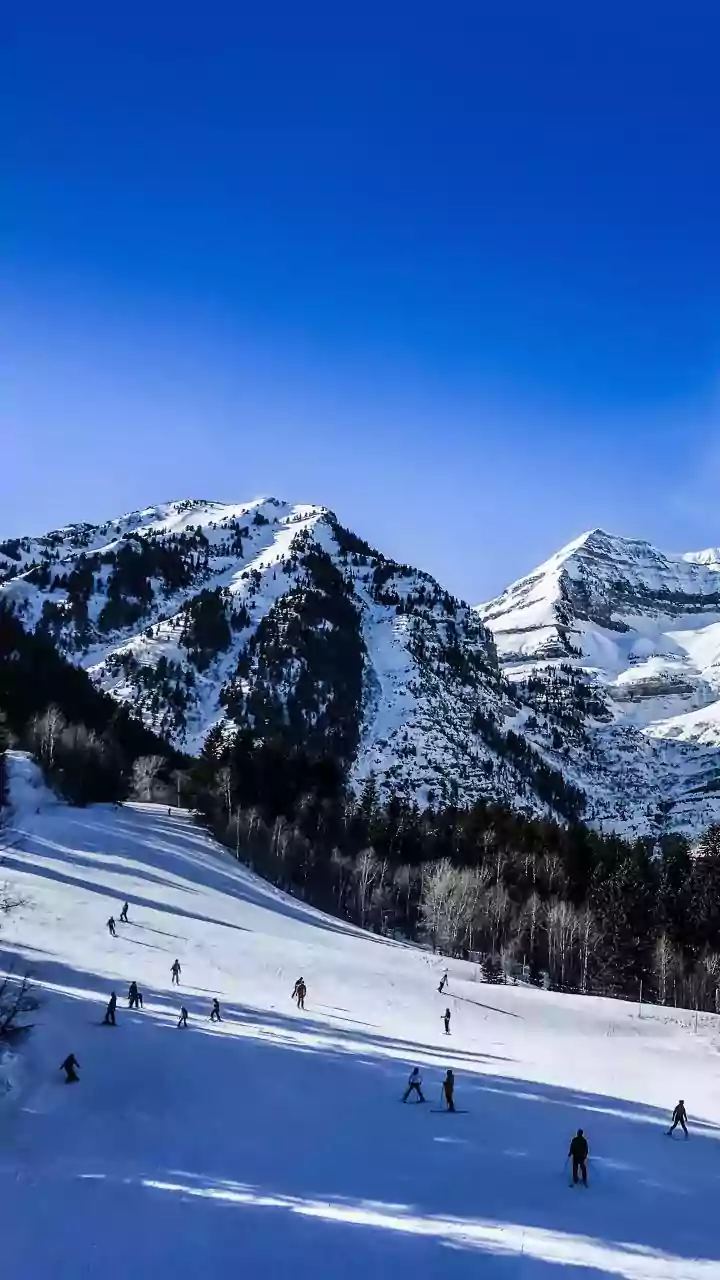
The Dolomites, a mountain range synonymous with breathtaking beauty and world-class skiing, present an unparalleled destination for winter sports enthusiasts.
Often, watching Olympic athletes carve down these iconic slopes sparks a desire to experience the terrain firsthand. This magnificent area boasts an interconnected network of twelve ski resorts under the Dolomiti Superski umbrella, offering a staggering 745 miles of skiable pistes. Unlike many North American resorts, the seamless integration allows skiers to effortlessly traverse multiple areas within a single day, creating a sense of boundless exploration. The Dolomiti Superski pass, priced around $100 per day (typically between $92 and $100), provides access to this extensive domain. While the sheer scale of terrain presents a delightful challenge, the planning of accommodations can be complex, as staying in one location may limit access to certain areas. Consequently, moving between accommodations throughout a trip is often recommended, though this can add logistical hurdles to an otherwise idyllic ski vacation.
Introducing The Safari
The 'ski safari' emerges as a revolutionary and highly effective method for navigating and experiencing the Dolomites. This concept is elegantly simple yet profoundly impactful: it involves skiing from one resort to another, enjoying evenings in various charming towns, and being guided by seasoned professionals. The primary objective is to optimize both the skiing experience and the opportunity for exploration, ensuring participants can savor as much of the Dolomites as possible without the stress of navigation or logistical planning. A significant advantage of this approach is avoiding the common pitfall of skiing too far and finding oneself hours away from the intended destination. While the idea of hiring ski guides might initially seem unconventional or even extravagant, particularly to American travelers, it proves to be a remarkably affordable and efficient way to traverse the region in Europe. My own experience on a Dolomites ski safari in December was so exceptional that it may have, in the best possible way, redefined my perception of ski trips.
A Taste Of The Safari
Our Dolomites ski safari began not in the mountains, but in the historic city of Venice, a common starting point for many North American itineraries, with Milan also serving as a frequent gateway. The initial day involved a drive upwards towards the peaks, a journey that, while only a few hours by car, is characterized by slow and winding mountain roads. For those susceptible to motion sickness, bringing remedies like Dramamine or ginger chews is advisable. Our first night was spent in San Ciascian, a picturesque village nestled in the South Tyrol region's Alta Badia valley. We commenced our skiing adventure in Alta Badia on day one, followed by a transfer to Cortina d’Ampezzo, where we would spend the subsequent two nights. Upon arrival in Cortina, a distinct convenience was noted: our luggage had already been delivered, streamlining the check-in process. The following day, we had the opportunity to ski the Tofane resort, even sampling runs on the very course designated for women's Olympic ski events and a regular fixture on the World Cup circuit. Traditional mid-morning breaks included enjoying coffee and pastries at family-run rifugios, a cherished local custom.
Culinary Delights and Mountain Stays
During our excursion, lunch breaks were an integral part of the experience, featuring regional specialties such as hearty bread dumplings, savory speck (cured ham), rich wild game soup, and the sweet delight of strudel, all complemented by local wine and espresso. While a healthier diet might have been possible, it would have undoubtedly diminished the sheer joy of the trip. The advantage of having a ski safari guide is their intimate knowledge of the best eateries and their willingness to assist with ordering, ensuring an authentic culinary journey. Our second night in Cortina provided an opportunity to explore its impressive shopping scene, ensuring no essential items, like designer ski goggles, would be missed. The subsequent day led us to Falcade, a resort boasting its own World Cup slope. We concluded this day by taking a snowcat to a captivating mountain hut, a 'rifugio,' which, under different snow conditions, we would have reached on skis. These alpine huts, despite their name, offer far from rustic accommodations, providing high-quality meals in a cozy ambiance. For this overnight stay, we packed small bags supplied by the tour, while our main luggage was forwarded to our next hotel. This particular night at the rifugio placed us just beyond the ski lifts and off-piste terrain of the San Pellegrino resort, where we were treated to a spectacular sunset painting the surrounding mountains in vibrant orange hues.
The Sellaronda Circuit
Our final day of skiing commenced at the San Giovanni di Fassa resort. Again, had snow conditions been more favorable, we would have skied directly from the rifugio. From this point, we were able to access the Sellaronda, an extensive circular route that traverses several resorts in the region. This iconic circuit can be tackled at any pace; some travelers dedicate an entire week to skiing its entirety, while others opt for a more rapid approach, forgoing leisurely cappuccino breaks and lunches to complete it in a single day. During my visit, my group managed to ski approximately half of the Sellaronda route, as we found it difficult to resist frequent stops for cappuccinos and the region's signature cocktail, the Bombardino, a spirited take on an Irish coffee. This pace was prearranged, and we concluded our final safari day in the picturesque town of Selva, a vista that rivals any postcard image of the Alps. The safari's flexibility was a key advantage; while the original plan involved skiing between villages, the prevailing snow conditions necessitated van transfers, which were seamlessly arranged. This adaptability is the hallmark of a safari: the absence of logistical worries, with guides managing navigation and ensuring participants stay on course, which was a welcome relief even for a map enthusiast. Moreover, the guides contribute significantly to the overall experience, not only by assisting with skiing but also by introducing guests to the rich culture of Italian skiing, complete with its renowned coffee culture and unhurried culinary traditions. Our guide, Michele Barbiero, was an invaluable companion throughout the trip, sharing his extensive knowledge and deep affection for the mountains.
Tailoring Your Safari
Ultimately, the most compelling aspect of the ski safari, beyond the incredible skiing, the coffee, and the delectable pasta, is its inherent versatility. This approach allows for the customization of a safari to perfectly suit any ski group's specific needs, encompassing age, budget, timing, and individual preferences. Travelers can meticulously design their itinerary to emphasize particular sights and ski runs. Furthermore, the accommodation choices are equally flexible, ranging from remote, rustic rifugios and luxurious five-star hotels to more budget-friendly hostel options. Although perhaps an unconventional method of travel, the ski safari undoubtedly stands out as the premier strategy for exploring the Dolomites on skis. The Dolomites Mountains organization offers various guided ski safaris, ski touring expeditions, and even hiking itineraries, with adventures typically spanning five to eleven days. All-inclusive five-day trips commence at approximately $3,000 per person for groups of six.