






Rethinking Weight Management
For a long time, the prevailing wisdom for weight loss revolved around a simplistic mantra: consume fewer calories and increase physical activity. However,
this approach has proven insufficient for millions grappling with the complexities of obesity. The advent of advanced medical interventions, particularly GLP-1 medications such as Ozempic and Mounjaro, alongside a growing acceptance of bariatric surgery, signifies a profound shift. The conversation is moving beyond personal discipline to embrace scientific solutions. As experienced bariatric surgeons note, the perception of weight loss treatments has dramatically changed, with individuals now more inclined to explore medical assistance earlier in their struggles, rather than viewing it as a last resort reserved for dire health emergencies.
Early Intervention's Rise
The introduction of GLP-1 medications has been a game-changer, fostering a more proactive stance towards seeking medical help for weight management. Patients are increasingly coming forward to understand their diverse treatment options, rather than waiting until their health deteriorates significantly due to excess weight. This trend towards early intervention is a highly positive development, as it paves the way for better overall outcomes and can help avert the onset of severe, long-term health complications often associated with untreated obesity. It marks a crucial step in prioritizing well-being and addressing weight-related health concerns before they escalate into critical issues.
GLP-1 vs. Surgery
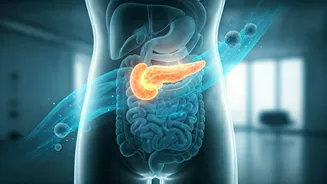
It's crucial to understand that GLP-1 medications and bariatric surgery are not mutually exclusive alternatives but rather complementary tools in the weight loss arsenal. GLP-1 injections are particularly beneficial for individuals who are overweight or have mild to moderate obesity (Grade 1). These drugs function by mimicking natural hormones in the gut, which helps to curb appetite, slow down the rate at which the stomach empties, and promote a feeling of fullness with smaller food portions. When integrated with lifestyle modifications like diet and exercise, they can serve as a comprehensive treatment plan. However, for individuals facing severe obesity, bariatric surgery remains the most potent and effective solution, typically recommended for those with a BMI of 40 or higher, or 35 and above with accompanying health issues.
The Enduring Role of Surgery
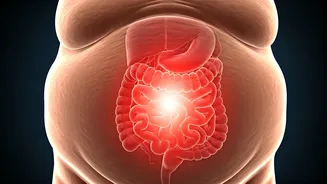
Bariatric surgery achieves significant weight loss by physically altering the digestive system. Depending on the specific procedure, it can either limit the amount of food the stomach can hold or reduce the body's ability to absorb nutrients. This mechanical intervention generally leads to more reliable and sustainable long-term weight reduction compared to non-surgical methods. Beyond shedding pounds, the advantages of bariatric surgery are far-reaching, often resulting in substantial improvements or even complete remission of conditions like type 2 diabetes, high blood pressure, and fatty liver disease. Patients also frequently report enhanced mobility, better mental health, improved sleep quality, and an overall elevation in their general quality of life.
Cost and Access in India
In the Indian context, financial considerations play a significant role in shaping treatment decisions for weight management. Fortunately, many health insurance providers in India offer coverage for bariatric surgery, provided that specific clinical criteria are met. This financial support makes the procedure more accessible to individuals from middle-class backgrounds. In contrast, the ongoing use of GLP-1 medications can become a substantial financial burden over time, as they represent a recurring monthly expense that accumulates considerably. Furthermore, a significant concern with these medications is the potential for weight regain if their use is discontinued without a sustainable long-term management plan in place.
Tailored Treatment Paths
Ultimately, the most effective weight loss strategy is one that is meticulously tailored to the individual's specific needs and circumstances. For those embarking on their weight loss journey with a lower BMI, GLP-1 injections, when administered under careful medical supervision and combined with dietary adjustments, physical activity, and behavioral changes, can represent an excellent starting point. However, for individuals struggling with severe obesity or already experiencing serious health complications, delaying the appropriate treatment due to apprehension about surgery can be detrimental. For such cases, bariatric surgery, underpinned by thorough patient evaluation, selection, and consistent follow-up, continues to be the most robust and enduring solution available for managing severe obesity effectively.