
Seal the Heat
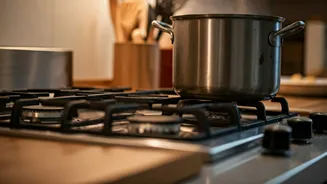
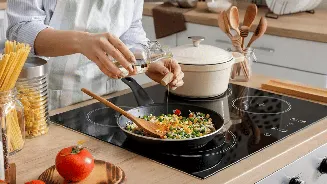
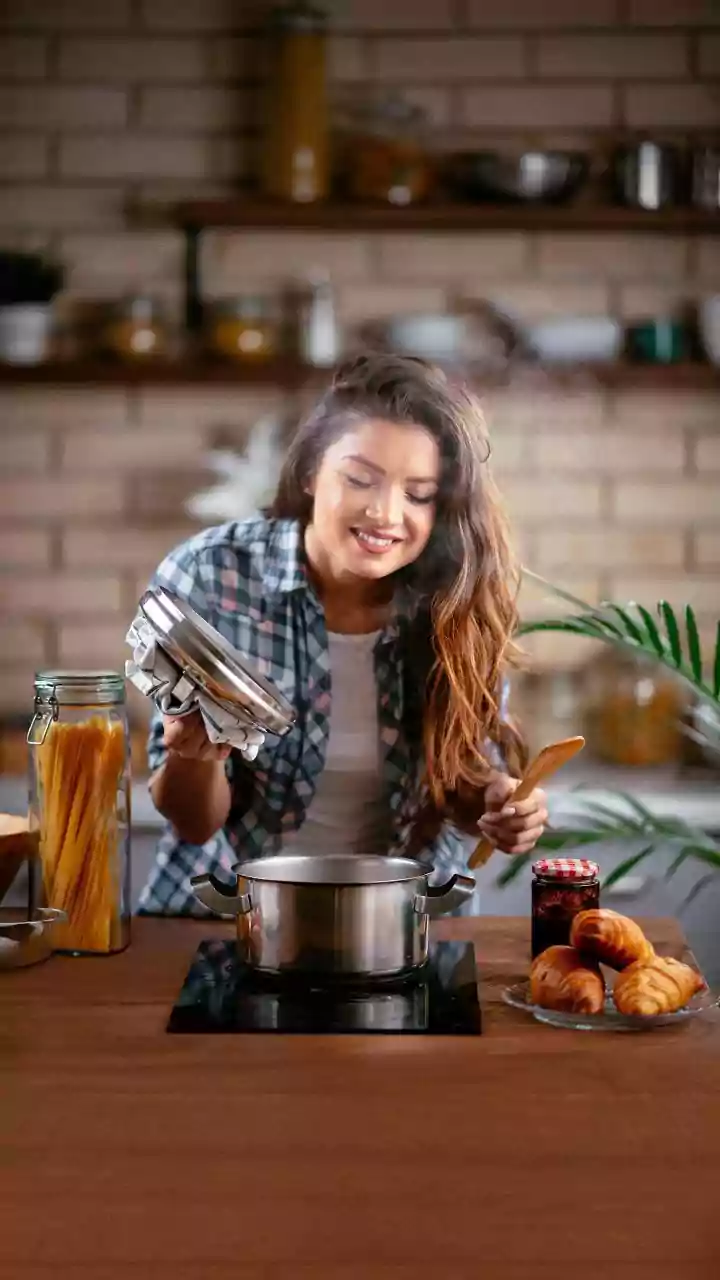
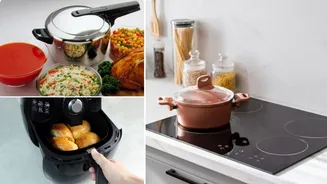
A fundamental yet often overlooked technique for gas conservation involves consistently using a lid on your cooking vessels. By trapping heat and steam
within the pot, food cooks more rapidly and uniformly. When pots are left uncovered, the stove must remain on for extended periods, leading to increased gas consumption. Implementing this simple habit of covering your pans and pots can dramatically shorten cooking durations and significantly reduce your LPG usage, contributing to a more efficient kitchen.
Burner Size Matters
Gas stoves typically feature burners of varying sizes, yet many individuals default to using the largest burner for nearly all cooking tasks. This practice results in considerable gas wastage because the flame often extends beyond the base of smaller utensils, allowing heat to dissipate into the surroundings. To optimize gas usage, it's crucial to match the burner size to the utensil. Utilize smaller burners for smaller pots and pans, reserving the larger ones for expansive vessels or more demanding cooking processes that require a broader heat distribution.
Pre-Soak Your Staples
Before placing rice, lentils, or beans on the stove, dedicating time to soak them beforehand can lead to substantial savings in gas consumption. These staples absorb water when soaked, softening them and considerably reducing the time required for them to cook once heated. Even a short soaking period, ranging from 30 minutes to an hour, can markedly decrease cooking times, thereby conserving both your valuable time and your LPG supply. This preparatory step is a simple yet highly effective method for efficiency.
Chop for Speed
The physical size of your vegetables plays a crucial role in determining how quickly they cook on the stove. Large, whole pieces of vegetables require a significantly longer duration on the flame to soften and become tender. By cutting vegetables into smaller, uniform pieces, you facilitate a much faster and more even cooking process. This means the food will be ready sooner, reducing the overall time the burner needs to be active and, consequently, lowering the amount of gas consumed during meal preparation.
Batch Cooking Strategy
Repeatedly turning your gas stove on and off throughout the day for individual dishes can cumulatively consume more gas than a more strategic approach. It's far more efficient to plan your cooking sessions to prepare multiple dishes concurrently. For instance, consider cooking your main course, side dishes, and grains in a single, consolidated cooking period rather than spreading them out over several distinct times. This consolidated effort minimizes the number of times the stove is ignited and kept on.
Simmer Down
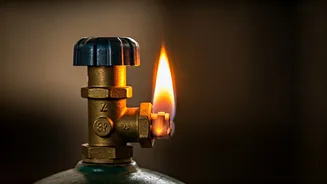
A common error in cooking is maintaining a high flame even after the contents of the pot have reached a boiling point. Once water or curry begins to boil vigorously, reducing the flame to a gentle simmer is usually sufficient to continue the cooking process effectively. Keeping the heat on high at this juncture is a direct waste of gas, as it doesn't significantly accelerate the cooking further but rather consumes fuel unnecessarily. A controlled simmer ensures continued cooking without excess consumption.
Clean Burners, Better Burn
The efficiency of your gas stove can be significantly impacted by the cleanliness of its burners. Over time, food particles and grease can accumulate and obstruct the small holes where the flame emerges, leading to uneven flames and inefficient gas combustion. Regular cleaning of your burners is essential to ensure a consistent, steady blue flame, which signifies optimal burning and maximizes the efficiency of your LPG consumption. A clean burner translates to a more effective cooking experience.
Utensil-Flame Harmony
A prevalent oversight in the kitchen involves using cookware that is disproportionately small for the size of the burner's flame. When the flame flares out beyond the base of the pot, a substantial amount of heat energy is lost directly into the surrounding air, rendering it ineffective for cooking. To prevent this wasteful scenario, it's vital to select pots and pans that appropriately match the dimensions of the burner. This ensures that the heat generated is directed efficiently towards the food being prepared.
Flat Base Advantage
Cookware featuring a flat bottom offers a distinct advantage in heat absorption compared to vessels with rounded bases. Flat-bottomed pots and pans sit evenly on the stove's grate, allowing for consistent contact and more uniform heat distribution across the entire base. This enhanced heat transfer capability helps food to cook more rapidly and efficiently, thereby reducing the overall time the gas burner needs to be active and consequently lowering the amount of LPG utilized.
Residual Heat Cooking
A sophisticated gas-saving technique involves turning off the flame a short period before your dish is completely cooked. Many food items continue to cook and soften from the residual heat already stored within the utensil and its contents. By switching off the gas a minute or two early, you can leverage this stored heat to finish the cooking process naturally, achieving the desired result without expending additional fuel. This method requires a little practice but yields significant savings.