




LPG Crisis Fuels Litti Demand
In Hazaribag, a significant shift is occurring in the local food business landscape, with litti vendors experiencing an unprecedented surge in demand and sales.
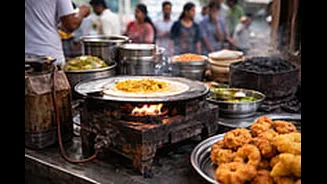
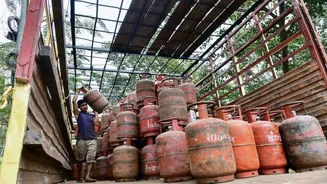
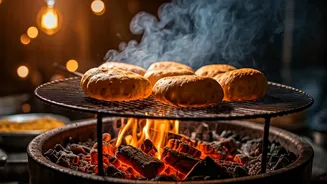
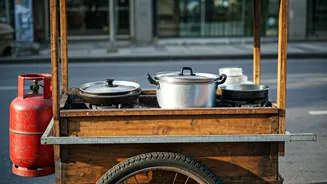
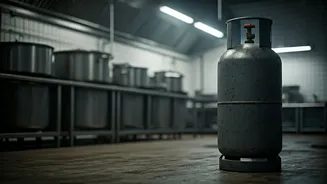
This unexpected prosperity is directly linked to widespread disruptions in the supply of commercial LPG cylinders. While other food establishments have found themselves struggling, forced to close or seek expensive alternatives, litti sellers have largely remained unaffected and are even seeing an increase in customer traffic. This resilience stems from their long-standing reliance on traditional cooking methods. Unlike many other street food vendors who had embraced gas stoves for convenience and efficiency, litti makers have consistently utilized coal or wood-based 'chulahs' (stoves) on their mobile carts. This inherent adaptability has placed them in a favorable position, allowing them to continue operations smoothly while competitors grapple with the gas crisis. Areas such as Matwari, Korra, Dewanaga Road, Hazaribag Lake, and Indrapuri Chowk are now dotted with litti stalls that are busier than ever, serving a growing clientele seeking reliable and delicious meals.
Coal Cooking's Flavorful Edge
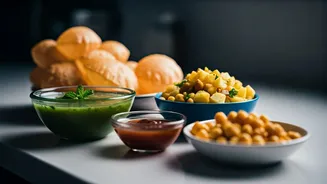
The preference for coal-based cooking among litti vendors isn't merely about overcoming the LPG shortage; it's also about a perceived enhancement in flavor. Many vendors, like Sanjay, express a strong conviction that litti and chokha simply taste better when prepared over a coal stove rather than a gas cylinder. This culinary preference has led some to avoid LPG altogether, ensuring their business continuity during the current supply disruptions. However, the increased demand for coal as a direct consequence of the gas crisis has also led to an upward trend in coal prices. This rise in the cost of a coal sack presents a new challenge, albeit one that is currently being managed by the enhanced sales volume. The situation highlights a fascinating interplay between traditional practices, market dynamics, and consumer preferences, demonstrating how established methods can offer an unexpected advantage in times of scarcity.
Shifting Business Strategies
The current LPG supply disruption is not only benefiting existing litti vendors but is also prompting other food business owners to consider a pivot. Saraswati Devi, who runs a chowmein stall in Okni Mohalla, shared her thoughts on the matter. She mentioned that the immediate transition to a coal stove wasn't practical or convenient for her existing setup. Consequently, she had to temporarily close her stall. However, she is actively considering a shift to the litti and chokha business if the current crisis persists. This contemplation reflects a broader trend of adaptation within the local food vending community. The potential loss of daily earnings due to the gas shortage is a significant concern, and exploring the litti business, with its proven resilience and customer appeal, is seen as a viable strategy to mitigate these financial losses and ensure a steady income stream until the situation with LPG supply normalizes.