





The Duck Walk Explained
Malaika Arora, known for her fitness and style, has openly discussed her unique 'duck walk.' At 52, she revealed that this unconventional gait is not merely
for show but a therapeutic practice recommended by her physician. Due to persistent lower back issues, often exacerbated by wearing high heels and engaging in strenuous activities, her doctor advised incorporating a specific walking routine. This involves walking with the feet turned slightly inward, performing 10 to 15 steps in the morning and another 10 to 15 in the evening. Arora emphasizes that this method significantly aids in maintaining proper body alignment, counteracting the common tendency to slouch. She finds it genuinely beneficial for her posture and overall well-being, turning a perceived peculiarity into a practical health regimen.
Expert Insights on Gait
Dr. Sarang Deshpande, a consultant in orthopaedics and joint replacement at KIMS Hospitals, Thane, provides a clinical perspective on the 'duck walk.' He defines it as a deliberately controlled manner of walking where the feet are pointed inwards, and each step is executed with mindfulness and slowness. The primary aim of this controlled movement is to actively retrain and correct the body's natural alignment. Dr. Deshpande notes that prolonged periods of sitting and frequent use of high heels can lead to postural deviations, such as rounded shoulders, an exaggerated lumbar curve, and uneven weight distribution. The duck walk, when performed correctly, encourages stronger engagement of the hip flexors, thigh muscles, and core musculature – all crucial for spinal support. He suggests that moderate and proper execution can enhance an individual's balance and body awareness.
Heels, Posture, and Pain
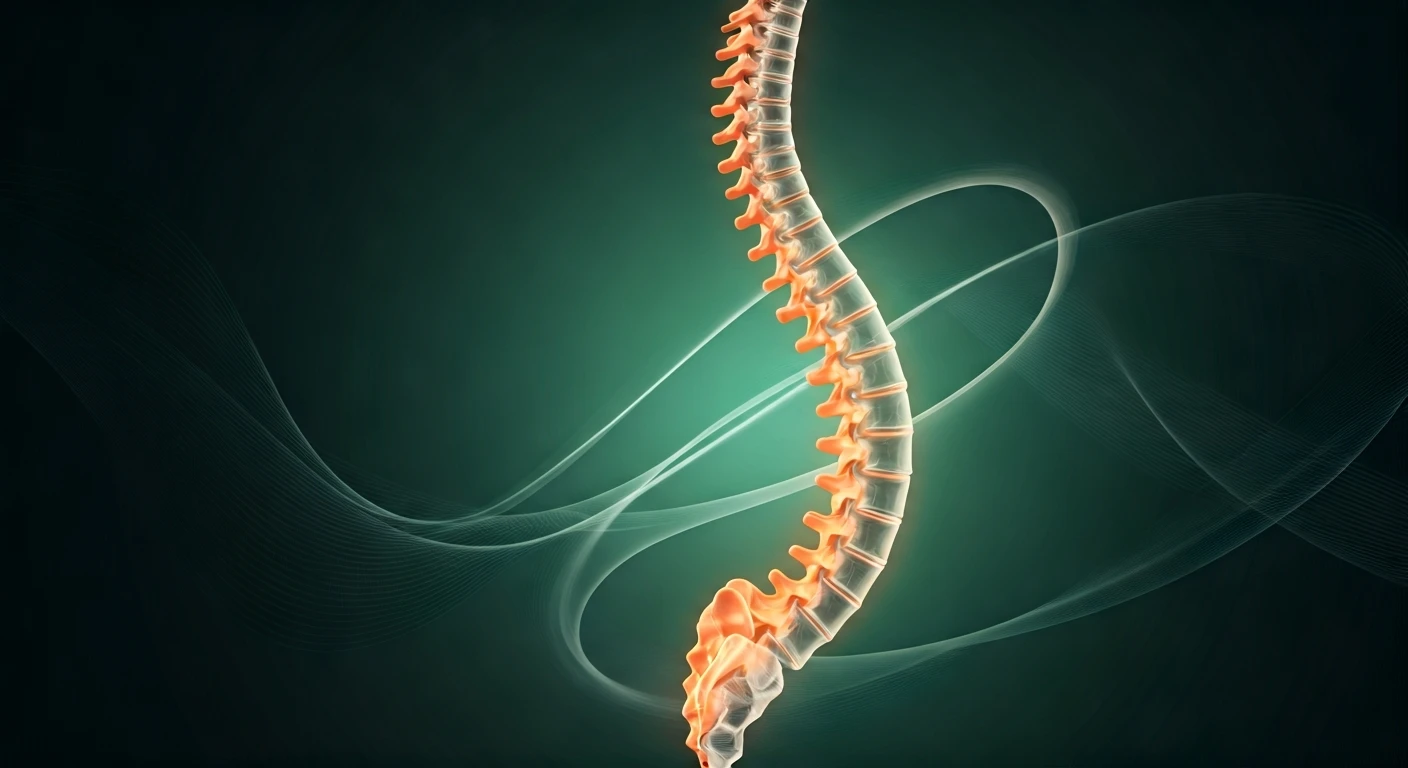
The detrimental effects of high heels on posture and the subsequent impact on lower back pain are significant. According to Dr. Deshpande, consistently wearing heels shifts the body's natural center of gravity forward. This forward shift exerts undue pressure on the lower back and knees, potentially leading to discomfort or chronic pain over time. Exercises like the duck walk can serve as a counteractive measure. By activating underutilized muscles, this movement pattern helps to gently realign the body and alleviate stress on the lumbar spine. However, it's crucial to understand that the duck walk is not a singular solution. To effectively manage pain and improve posture, it must be complemented by reducing reliance on high heels, incorporating regular stretching routines, and performing targeted strengthening exercises.
Safety and Proper Execution
While the duck walk offers potential benefits, it's not universally suitable for everyone. Dr. Deshpande cautions that individuals experiencing knee pain, ligament injuries, hip joint issues, or significant balance challenges should refrain from attempting this exercise without prior medical consultation. Incorrect technique can inadvertently increase stress on the joints, particularly the knees. If a healthcare professional recommends it, the duck walk can be integrated into a daily routine through short, controlled sessions, typically consisting of 10 to 15 steps, performed once or twice a day. The emphasis should always be on slow, deliberate movements rather than the pace or intensity. For sustainable positive outcomes, this exercise should be part of a broader approach that includes general posture correction, mindful shoe selection, and consistent participation in physical activities.