








Domestic Travel's Rise
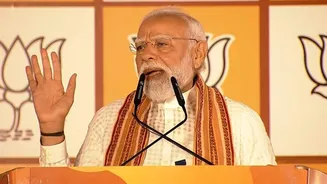
Prime Minister Narendra Modi's recent suggestion for citizens to refrain from international travel for a year is poised to invigorate India's domestic
tourism industry. This initiative, aimed at conserving precious foreign exchange reserves amidst fluctuating global economic conditions like elevated crude oil prices and a weakening rupee, is anticipated to redirect a portion of outbound travel spending towards exploring the vast and varied destinations within India. While the immediate impact on booking platforms is yet to be observed, industry leaders foresee a notable substitution effect. Travelers who might have otherwise embarked on international leisure trips are now expected to consider domestic alternatives, effectively transforming potential outbound expenses into investments in local hospitality and experiences. This strategic pivot underscores a broader governmental effort to strengthen the national economy by prioritizing internal consumption and exploration. The expectation is that this shift will not only benefit the tourism sector but also contribute to a more robust and self-reliant economy overall, fostering greater appreciation for India's own rich cultural heritage and natural beauty.
Economic Rationale Explained
The Indian government's recent encouragement for its citizens to curtail foreign travel for approximately twelve months carries significant economic implications, primarily centered on the preservation of foreign exchange reserves. Indians collectively spend an estimated $15 billion to $17 billion annually on international trips. This substantial outflow of currency is a key consideration for the government, particularly in the current global climate marked by volatile crude oil prices and a weakening rupee. By curbing international expenditures, the nation aims to bolster its foreign currency holdings, thereby enhancing economic stability. Industry experts view this appeal within the larger framework of fiscal prudence and national economic strengthening. While the immediate booking and search trends on travel platforms have not yet reflected this shift, the underlying principle is clear: encouraging domestic tourism serves a dual purpose. It supports the local economy by generating revenue within the country and simultaneously reduces the demand for foreign currency, contributing to a healthier balance of payments. This strategic redirection of spending is expected to yield tangible benefits for India's own tourism infrastructure and related businesses.
Impact on Travel Industry
The call to prioritize domestic travel is unlikely to pose a significant threat to major travel aggregators; rather, it is expected to create a beneficial shift in business focus. While international flights currently represent about 20% of a company's flight gross transaction value (GTV), translating to roughly Rs 400 crore per quarter, this is a relatively small fraction of the overall business, which operates at an annual run rate of Rs 17,000 to Rs 18,000 crore. The core of the business remains firmly rooted in domestic travel, bolstered by strong capabilities in rail and bus ticketing. Furthermore, recent expansion into hotel bookings positions these companies to capitalize directly on the anticipated surge in domestic tourism. Although geopolitical uncertainties, especially concerning the Middle East since March, have somewhat impacted international travel demand, essential trips for visiting family or attending critical events are likely to persist. The fundamental issue facing the Indian travel sector, across aviation, rail, and hotels, is one of supply constraints. There is a recognized deficit in available aircraft and a need for more premium hotel inventory. Despite these temporary challenges, the long-term trajectory for travel demand remains robust, with a history of strong recovery post-disruption, as seen after the COVID-19 pandemic. Thus, while discretionary international travel might see a reduction, the resulting upswing in domestic tourism is predicted to be a net positive for the industry.