






Importance of Kidney Health
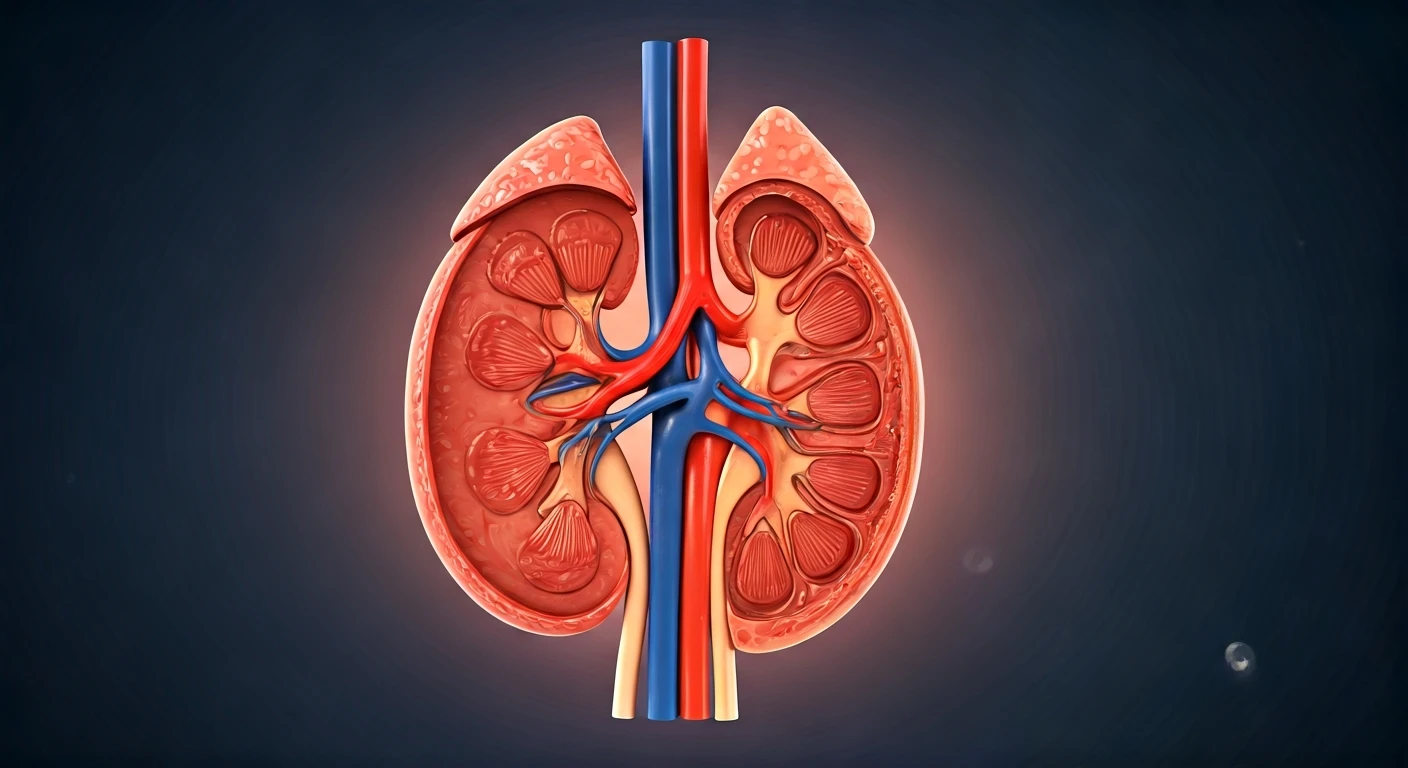
Kidneys are crucial for filtering waste and toxins from the blood. They play an essential role in maintaining the balance of fluids, electrolytes, and blood pressure.
When kidneys don't function correctly, it can lead to severe health issues. The choices you make about what you eat and drink are essential to support your kidneys and overall health. Understanding which foods and drinks could potentially cause harm allows you to make informed decisions and build a diet plan that is kidney-friendly. A proactive approach to food choices is one of the most effective ways to preserve kidney health and avoid long-term complications. Making informed choices now is crucial for long-term health.
Soda and Sweet Drinks
Sugary drinks, including soda, are a substantial threat to kidney well-being. Regular consumption of such beverages contributes to obesity, diabetes, and high blood pressure, all of which are major risk factors for kidney disease. These drinks are often high in phosphorus, which is another concern because excess phosphorus can cause harm to the kidneys. It's recommended to opt for water, unsweetened tea, or beverages without added sugars instead of sugary alternatives. Reducing or eliminating the intake of sweetened drinks can reduce the risk of kidney damage and support overall health.
Processed Foods Beware
Processed foods are often packed with sodium, phosphorus, and other additives that can strain kidney function. Consuming these foods regularly could negatively impact kidney health. Frozen dinners, canned soups, and packaged snacks often contain high levels of sodium, which raises blood pressure and puts extra stress on the kidneys. Furthermore, the high phosphorus content in some processed foods poses another challenge for kidney health. Limiting processed foods and preparing meals at home using fresh ingredients provides greater control over the ingredients and is better for kidney health.
Excessive Red Meat
A diet rich in red meat can elevate the risk of kidney problems due to the high protein and saturated fat content. The kidneys work hard to filter out waste products from protein metabolism. A high intake of protein, specifically from red meat, can make the kidneys work harder. Moreover, red meat consumption has been linked to an increased risk of heart disease and diabetes, two significant contributors to chronic kidney disease. Moderating red meat intake and choosing lean protein sources can greatly help to protect kidneys and maintain overall health. Consider alternatives like poultry, fish, beans, and lentils.
Alcoholic Beverages
Excessive alcohol intake puts the kidneys at risk. Regular, heavy drinking increases blood pressure and can cause liver damage, which further complicates kidney function. The kidneys work together with the liver to get rid of waste from your body; when one or both of them are harmed, the function of the body can be negatively impacted. Alcohol can also lead to dehydration, which can worsen kidney problems. If you consume alcohol, do so in moderation and ensure adequate hydration. Be sure to seek professional medical advice if you are having issues with alcohol consumption.
High-Sodium Foods
Excessive sodium intake is one of the most significant risk factors for high blood pressure, which is a leading cause of kidney disease. Numerous foods, especially those that are pre-packaged or processed, contain a lot of sodium, and could have a negative effect on your kidneys. Consuming too much sodium causes your body to retain water, increasing the pressure on your kidneys. Reading food labels carefully and choosing low-sodium options is essential for protecting your kidneys. Using herbs and spices instead of salt when cooking, and avoiding overly salty snacks, will help you regulate your sodium intake and support kidney health.