






The Illusion of Normal BP
It's a common misconception that a normal blood pressure reading guarantees freedom from cardiovascular issues. While maintaining healthy blood pressure is undeniably
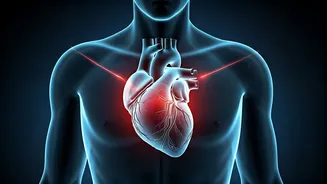
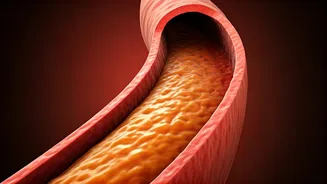
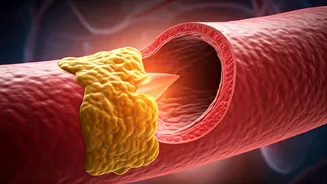
important, it's merely one indicator within a larger, intricate system. Many individuals who experience significant blockages in their coronary arteries actually present with perfectly normal blood pressure readings. These blockages, a result of plaque accumulation composed of cholesterol, fats, and calcium, can develop silently and remain undetected until they reach a critical stage. Therefore, relying solely on blood pressure measurements can be quite misleading when assessing overall heart health and the presence of underlying obstructions.
Subtle Warning Signs
Pay close attention to your body, as subtle symptoms often go unnoticed. These can include a feeling of heaviness in the chest during physical exertion, shortness of breath when climbing stairs, or unusual fatigue. Discomfort radiating to the jaw, neck, or the left arm can also be indicative. It's particularly important for individuals with diabetes to be aware, as they might experience 'silent' symptoms or no symptoms at all. If you notice any new sensations, especially those that persist or are triggered by activity, it is highly advisable to seek a medical evaluation.
Detecting Blockages Early
There isn't a singular test that fits all situations, but a methodical approach can effectively uncover potential heart blockages. Initial screening often involves an Electrocardiogram (ECG), which can reveal signs of past or current heart strain. A Treadmill Test (TMT) further assesses cardiac performance under stress, highlighting any changes that occur during exercise. For a visual evaluation of the heart's muscle movement and overall function, a 2D Echocardiography is utilized. To non-invasively visualize blockages directly within the coronary arteries, CT Coronary Angiography is a valuable tool. The Coronary Calcium Score aids in identifying early plaque buildup, even before any noticeable symptoms manifest. For a definitive diagnosis, Coronary Angiography remains the gold standard, involving the injection of a contrast dye directly into the arteries to precisely pinpoint any narrowing or obstructions.
Who Needs Screening?
Certain individuals should seriously consider undergoing heart health screenings, even if they feel perfectly well. This includes anyone with established risk factors such as diabetes, high cholesterol levels, a history of smoking, obesity, a sedentary lifestyle, or a family predisposition to heart disease. Age is also a significant factor; men over 40 and women post-menopause are particularly encouraged to be proactive. It is crucial to remember that waiting for major symptoms to appear can be dangerous. Early screening, prompt diagnosis, and diligent lifestyle modifications can significantly contribute to preventing severe cardiac events and safeguarding your heart health.