


Ancient Visitors and Lunar Drama
The year 2026 promises a glimpse into the universe's deep past with the potential sighting of interstellar comet 3I/ATLAS. This celestial traveler is estimated
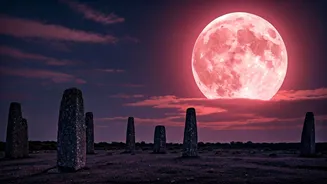
to be nearly 12 billion years old, a relic from a star system that may no longer exist. Imagine witnessing an object so ancient that its origins predate much of what we know about our galaxy! Adding to the dramatic celestial displays, a total lunar eclipse will transform the full moon into a captivating 'blood red' spectacle, visible to over 3 billion people. This rare event offers a profound connection to the moon's orbit and Earth's shadow, creating a truly unforgettable visual experience for a vast portion of the planet's population. The alignment of Earth, moon, and sun during this eclipse is a powerful reminder of the predictable yet awe-inspiring cosmic ballet playing out above us every day.
Conjunctions and Constellations
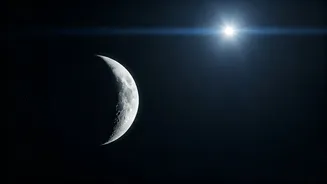
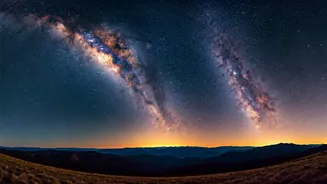
Throughout 2026, the night sky will be adorned with stunning conjunctions and the revelation of various constellations. Early in the year, stargazers can anticipate the delicate crescent moon dancing with the 'Seven Sisters' of the Pleiades star cluster. This ethereal pairing offers a beautiful view of our celestial neighbor navigating through one of the most recognizable star patterns. Later, the moon will be seen near Taurus's Bull's Horns, presenting a different, yet equally captivating, perspective. As March arrives, the Lynx constellation, often overlooked, will have its moment in the spotlight. Furthermore, significant planetary alignments will grace the evening sky, including Jupiter ruling the twilight hours, and Venus engaging in close encounters with a crescent moon. These gatherings of planets and our moon against the backdrop of distant stars offer fantastic opportunities for both casual observers and dedicated astronomers to appreciate the dynamic nature of our solar system.
Planetary Parades and Meteor Showers
2026 is a banner year for planetary enthusiasts and meteor shower admirers alike. Several 'planet parades' are scheduled, where multiple planets will align in the evening or morning sky, offering a rare chance to see several celestial bodies grouped together. Jupiter, in particular, will be a prominent feature, appearing at its best on several occasions. The year also heralds an exciting meteor shower season. The Quadrantid meteor shower is set to peak in the early hours of January 4th, promising a display of shooting stars. Later in the year, meteor showers will continue to light up the sky, providing opportunities to witness the fiery trails of cosmic debris burning up in Earth's atmosphere. These events are not only visually spectacular but also serve as reminders of the vastness of our solar system and the constant interplay of celestial bodies.
Earthshine and Lunar Phases
Beyond the dramatic eclipses, 2026 offers numerous opportunities to observe the subtler beauty of the moon. Earthshine, the phenomenon where sunlight reflected off Earth illuminates the dark portion of the moon, will be visible, offering a chance to see the moon's 'hidden face.' This delicate glow provides a unique perspective on the moon's surface. The year will also feature a variety of lunar phases, from the elusive young crescent to the full 'Wolf Moon' and 'Snow Moon.' Specific dates highlight the moon's journey through its phases in conjunction with prominent stars and constellations. For instance, the first-quarter perigee moon, a particularly large and bright full moon, will be a highlight. Observing these different phases and phenomena like Earthshine allows for a deeper appreciation of our closest celestial neighbor and its ever-changing appearance.