



Oats: Fiber Powerhouse
Oats are a fantastic choice, especially for those looking to improve their gut flora. They're rich in soluble fiber, which acts as a prebiotic, feeding
the good bacteria in your gut. Think of it like this: your gut bacteria are like tiny farmers, and fiber is their food. When you eat oats, you're essentially providing a feast for these beneficial microorganisms, fostering a thriving ecosystem. This leads to better digestion, reduced inflammation, and a strengthened immune system. Oats are incredibly versatile; they can be enjoyed in various ways, from a simple bowl of porridge to being added to your favorite baked goods, making it easy to incorporate them into your everyday meals. Moreover, the slow-release carbohydrates in oats provide sustained energy, keeping you feeling full and energized for longer.
Garlic: The Allium Ally
Garlic, a staple in Indian cuisine, does more than just add flavor to your meals; it is a powerful prebiotic. Garlic contains fructans, a type of fiber that serves as a food source for beneficial gut bacteria. These bacteria then ferment the fructans, producing short-chain fatty acids (SCFAs) like butyrate, which is crucial for colon health. SCFAs help reduce inflammation, improve nutrient absorption, and protect against colon cancer. This pungent bulb has antimicrobial properties, which can help balance the gut microbiome. Whether added to a tadka or consumed raw in small amounts, garlic can have a profoundly positive impact on your gut health. Plus, garlic has been linked to numerous health benefits, including boosting immunity and improving cardiovascular health, making it a great addition to your diet.
Onions: Another Allium Champion
Onions, another crucial member of the Allium family, share similar prebiotic benefits to garlic. Onions are loaded with fructans, which fuel the growth of good gut bacteria. This action can lead to increased production of beneficial SCFAs. These are essential for maintaining the health of your gut lining, as they provide energy to the cells and support the integrity of the intestinal wall. Consuming onions regularly promotes healthy digestion, as they aid in the breakdown of food and prevent constipation. This vegetable is also packed with antioxidants and can reduce the risk of certain cancers. Enjoy onions raw, cooked, or pickled to maximize their gut-friendly benefits, adding both flavor and health benefits to your everyday meals.
Chickpeas: A Legume's Gift
Chickpeas, a cornerstone of many Indian dishes, are an excellent source of prebiotic fiber. These legumes contain resistant starch, a type of fiber that resists digestion in the small intestine, and makes its way to the large intestine, where it is fermented by gut bacteria. The fermentation of resistant starch increases the population of beneficial bacteria and the production of SCFAs. The SCFAs improve gut health and contribute to better absorption of essential nutrients. Chickpeas are high in protein and a range of vitamins and minerals. Whether you enjoy them in a curry, as hummus, or roasted as a snack, chickpeas offer a simple and delicious way to boost your gut health and improve your overall well-being. Adding chickpeas to your meals provides a sustained release of energy, which aids in keeping you feeling full longer.
Sweet Potatoes: Root Goodness
Sweet potatoes are more than just a tasty treat; they are a nutritional powerhouse packed with prebiotic benefits. They are rich in complex carbohydrates and fiber, which provide a fuel source for beneficial gut bacteria. The fiber in sweet potatoes also helps to improve digestion, preventing constipation and ensuring a healthy gut environment. Sweet potatoes are full of antioxidants, which combat free radicals and protect cells from damage. These tubers can be enjoyed in multiple forms – boiled, baked, or added to curries. Incorporating sweet potatoes into your diet not only nourishes your gut but also contributes to improved energy levels and overall health. The natural sweetness of sweet potatoes also makes them a satisfying and healthy alternative to other carbohydrate sources, making them an excellent choice for a well-rounded diet.
Apples: Nature’s Prebiotic Snack
Apples are a delicious and readily available source of prebiotic fiber, particularly pectin. Pectin, a type of soluble fiber, is fermented by gut bacteria, which contributes to the growth of beneficial microorganisms. As the gut bacteria ferment pectin, they produce SCFAs, such as butyrate, which is crucial for maintaining the health of the colon. Butyrate helps to reduce inflammation and promotes overall gut health, ensuring a balanced digestive environment. Regular consumption of apples helps to improve digestion, reduce bloating, and enhance nutrient absorption. This easily accessible fruit can be enjoyed in various ways, such as raw, baked, or added to salads and smoothies, and is an easy and delicious way to support your gut health and improve your well-being.
Whole Grains: Fiber Rich Foods
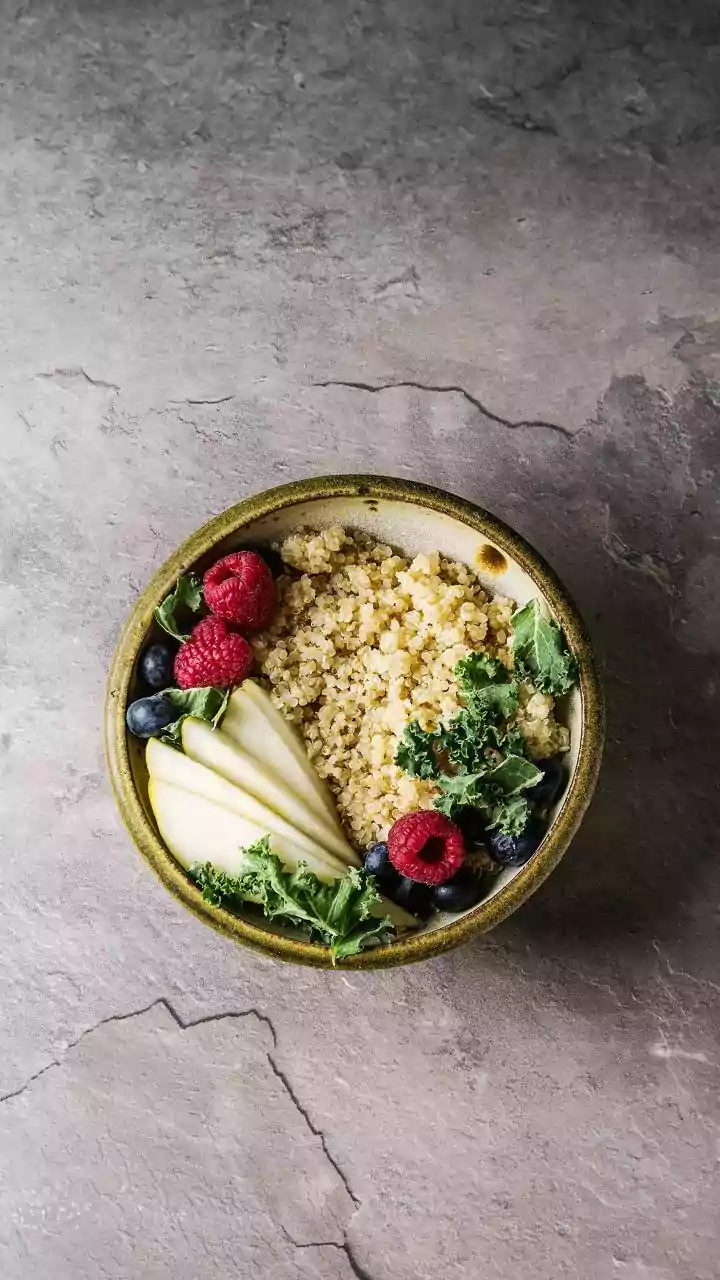
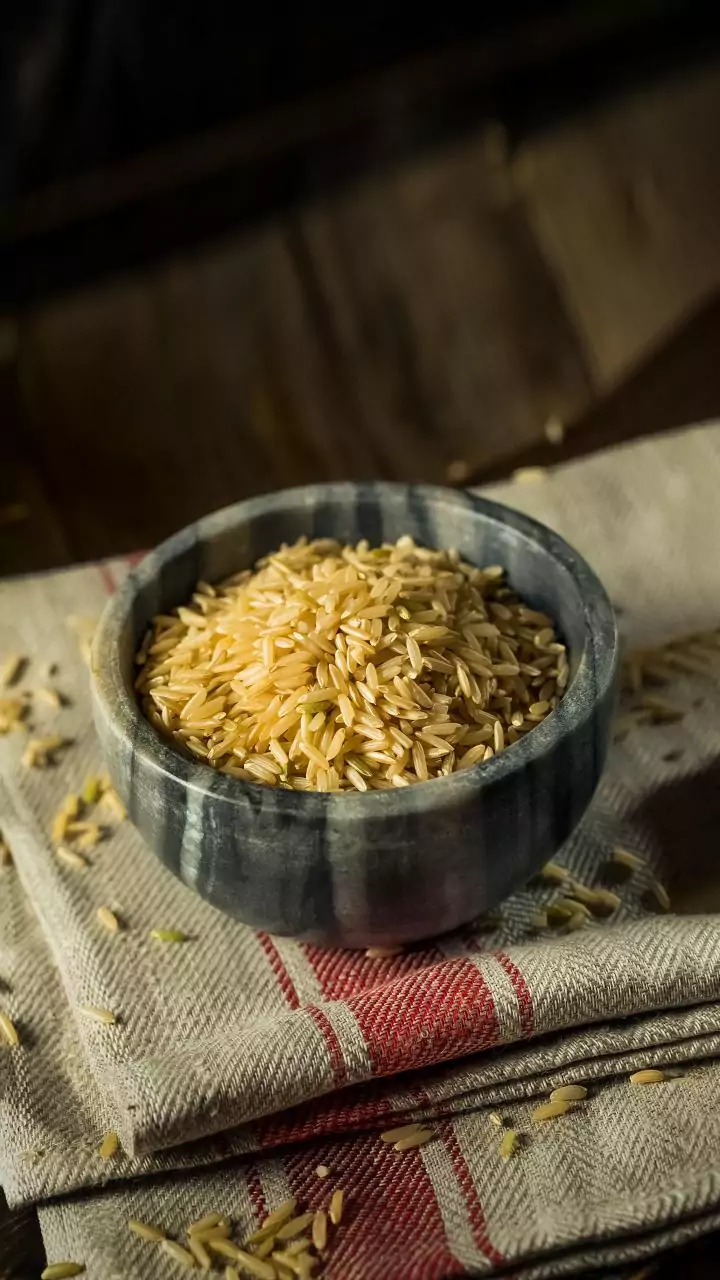
Whole grains, such as brown rice, oats, and quinoa, are excellent sources of prebiotic fiber, specifically the kind of fiber that feeds beneficial gut bacteria. These grains provide a diverse range of nutrients that support a healthy gut microbiome. Fiber promotes the growth of beneficial bacteria, which aids in better digestion, reduced inflammation, and improved nutrient absorption. Additionally, whole grains are packed with vitamins, minerals, and antioxidants, contributing to overall health. Replacing refined grains with whole grains can significantly boost your fiber intake, leading to improved digestive health and a reduced risk of chronic diseases. Including these grains in your diet provides sustained energy, helping you feel fuller for longer. A simple switch can have profound effects on your gut health, enhancing your well-being.
Raw Bananas: Unripe Rewards
Raw bananas, also known as green bananas, are a wonderful source of resistant starch, a type of prebiotic fiber that feeds beneficial gut bacteria. Unlike ripe bananas, raw bananas haven't fully converted their starch into sugar. The resistant starch is fermented in the large intestine, promoting the growth of good bacteria and the production of SCFAs. SCFAs such as butyrate, which is essential for colon health. Resistant starch in raw bananas improves insulin sensitivity and helps control blood sugar levels. Incorporating them into your diet can boost your gut health and make you feel fuller for longer. These can be used in smoothies, or cooked to incorporate in various dishes, making them a simple and effective addition to your diet. The added benefits make it a great option for supporting digestion and improving overall health.
Legumes: Bean Bonanza
Legumes such as lentils, kidney beans, and black beans are excellent sources of prebiotic fiber. These foods contain a mix of fibers that are resistant to digestion and reach the large intestine intact, where they become food for gut bacteria. The fermentation of these fibers leads to the growth of beneficial bacteria and increased production of SCFAs. The SCFAs improve the health of the gut lining and boost nutrient absorption. Legumes are also packed with protein, vitamins, and minerals, making them a nutrient-dense addition to any diet. Consuming legumes on a regular basis supports healthy digestion, reduces inflammation, and improves overall health. They can be added in a variety of meals, from soups and stews to salads and curries, making them easy to include in your diet. This simple addition can significantly support your gut health, making you feel lighter and more energetic.
Consistency is key
Incorporating these prebiotic-rich foods into your daily diet is a powerful step towards improving your gut health. Remember, consistency is key, and the benefits accumulate over time. By regularly including these 10 Indian foods in your meals, you’re not just feeding your gut bacteria, you’re also nourishing your entire body. Experiment with different recipes, explore various cuisines, and find ways to enjoy these foods that fit your taste. Alongside a balanced diet, it's essential to maintain a healthy lifestyle. This means staying hydrated, getting regular exercise, and managing stress. By adopting these healthy habits, you can create a thriving gut microbiome, leading to improved digestion, enhanced immunity, and a greater sense of well-being. A healthier gut not only improves digestion, but also boosts your overall health, making you feel revitalized.