
What's Sattu?
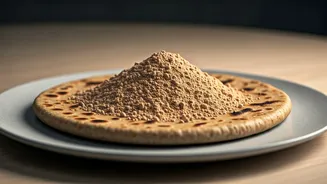
Sattu is essentially roasted gram flour, a staple in many Indian households, particularly in regions like Bihar, Uttar Pradesh, and Rajasthan. This humble
ingredient packs a nutritional punch, making it a valuable addition to any diet, especially for those looking to lose weight or maintain a healthy lifestyle. The roasting process enhances the flavor and digestibility of the gram, creating a versatile base for numerous recipes. Its high fiber and protein content contribute to a feeling of fullness, potentially reducing overall calorie intake. Sattu is also known for its cooling properties, making it a refreshing choice during warmer months, and a good option for those managing their blood sugar levels. Beyond its nutritional benefits, sattu is also quite inexpensive, which makes it accessible to a wider audience, and is easy to incorporate into daily meals, offering a convenient way to boost nutritional intake.
Sattu's Weight Loss
Sattu Paratha shines in the realm of weight management due to its unique nutritional profile. The high protein and fiber content found in sattu works synergistically to promote satiety. Protein helps curb hunger by slowing down digestion, which keeps you feeling full for longer. Fiber further contributes to this effect by adding bulk to the meal, also aiding in healthy digestion and regular bowel movements. This combination is essential for those looking to lose weight since it helps control appetite and prevents overeating. Furthermore, sattu has a low glycemic index, meaning it causes a slower rise in blood sugar levels after consumption. This helps prevent energy crashes and reduces the likelihood of cravings. By choosing sattu paratha for breakfast, you're setting the stage for a day of controlled hunger and steady energy, pivotal elements in a successful weight loss journey.
Making the Paratha
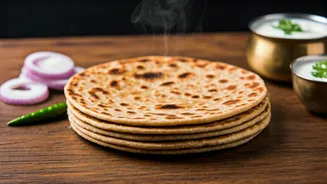
Creating Sattu Paratha is a straightforward process, making it accessible even for novice cooks. The basic recipe involves a few simple steps. Firstly, prepare the sattu filling: mix sattu with finely chopped onions, green chilies (as per preference for spice), fresh coriander, and a blend of spices like cumin, coriander powder, and a touch of salt. A squeeze of lemon juice adds a zesty touch. Next, prepare the dough. Use whole wheat flour (atta) for a healthier option. Knead the dough with water until it's smooth and pliable. Divide the dough into equal portions. Roll out each portion into a small circle. Place a generous spoonful of the sattu filling in the center. Seal the edges, ensuring the filling is completely enclosed. Gently flatten the filled dough into a paratha. Finally, cook the paratha on a hot griddle (tawa), using a small amount of oil or ghee, until both sides turn golden brown and slightly crispy. Serve hot with yogurt or a chutney for a complete and satisfying meal.
Recipe Variations
While the basic Sattu Paratha recipe is quite simple, it also invites experimentation and personalization to suit individual tastes and dietary needs. For added flavor and nutrients, consider incorporating grated vegetables like carrots or radish into the filling. Spice lovers can adjust the amount of green chilies or add a pinch of red chili powder for extra heat. For a healthier approach, use a minimal amount of oil or ghee while cooking the paratha, or even try cooking it on a non-stick pan. You can also experiment with different types of flours. Incorporate a portion of multi-grain flour with the wheat flour to boost the fiber and nutritional value. Those with specific dietary restrictions can also adapt the recipe: use gluten-free flours if you have gluten intolerance. Adding a sprinkle of herbs and spices is another option. Add different spice mixtures such as garam masala to enhance the flavor. These variations not only make the paratha more exciting but also contribute to a balanced and diverse diet.
Sattu's Other Benefits
Beyond its contribution to weight loss, Sattu Paratha provides a range of other health benefits. It is a good source of several essential nutrients. Sattu is rich in protein, which is vital for building and repairing tissues, supporting muscle growth, and maintaining overall health. It's also high in fiber, aiding digestion and promoting gut health. Furthermore, sattu offers a good dose of essential minerals like iron, which is crucial for carrying oxygen in the blood, and manganese, which is important for bone health. The cooling properties of sattu make it a good choice to consume during hot weather, offering a refreshing sensation that helps combat heat-related fatigue. It is also easily digestible, making it a good option for people with sensitive stomachs. Incorporating sattu into your diet is a good way to enhance your overall well-being, providing sustained energy, and supporting various bodily functions.
Pairing and Serving
To maximize the nutritional value and enjoyability of your Sattu Paratha, consider the accompanying dishes. Traditionally, Sattu Paratha is often served with a dollop of fresh yogurt (curd), which adds probiotics for gut health and a cooling, creamy counterpoint to the spicy paratha. A side of fresh mint chutney or a simple tomato chutney provides a burst of flavor and a touch of acidity that complements the richness of the paratha. For a more complete meal, you can also serve it with a side of vegetables like a simple salad of cucumber, tomatoes, and onions, or even a mixed vegetable curry for a more substantial and balanced breakfast. Alternatively, a glass of lassi, a traditional yogurt-based drink, is a refreshing option to drink alongside your meal. The key is to create a meal that is both delicious and balanced. The pairing should complement the flavors of the paratha, while also providing a variety of nutrients and textures to make the meal even more enjoyable.