




Generational Nutrition Divide
A significant rift exists in how different generations perceive nutritional supplements, particularly protein powders. For individuals born between 1946
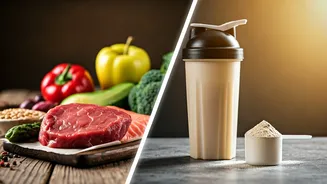
and 1980, often referred to as Boomers and Gen X, these modern dietary aids are frequently met with suspicion and outright dismissal. The prevailing sentiment often translates to phrases like, "Supplements don't help; just eat ghee," or pointed questions about the perceived harmfulness of consuming powdered substances. This generational outlook is deeply rooted in a time when food was perceived as inherently wholesome, fresh, and entirely derived from natural, home-prepared sources. The emphasis was firmly placed on balanced, traditional meals as the sole pathway to strength and well-being. Anything packaged or processed, especially something as seemingly artificial as a protein powder, clashes with this long-held belief system. While these concerns often stem from a place of genuine care and a desire to protect health, they also highlight a fundamental difference in understanding modern dietary practices and the evolving landscape of nutrition, where convenience and targeted supplementation have become increasingly prevalent.
The 'Real Food' Philosophy
The resistance to protein powders among Boomers and Gen X can be largely attributed to their upbringing and ingrained understanding of food. Anshul Singh, a clinical nutritionist, explains that these generations grew up in an era where health was intrinsically linked to food prepared from scratch, emphasizing seasonal and fresh ingredients. The kitchen was the primary source of nutrition, not a supplement aisle. Consequently, protein powders appear foreign and overly processed, making them a difficult concept to embrace. Their definition of a healthy lifestyle revolved around balanced meals, not the consumption of external vitamins or minerals. This deeply embedded belief system makes it challenging for them to accept that contemporary lifestyles, altered appetites, and the natural physiological changes associated with aging might necessitate nutritional support beyond conventional meals. The very act of scooping a powder from a container feels disconnected from the visceral experience of eating, creating a mental barrier that labels such products as unnecessary or even questionable.
Concerns Over Purity and Association
It's important to acknowledge that the apprehension surrounding protein powders isn't entirely unfounded. The market is indeed flooded with products that are laden with excessive sugar and artificial additives, offering little genuine benefit and potentially posing health risks if consumed in large quantities. This reality fuels the skepticism. Furthermore, a significant contributing factor to the distrust is the historical association of protein supplements with extreme physique transformations and, regrettably, the misuse of steroids. Singh notes that for many in these older generations, protein powders became synonymous with bodybuilders and often came with narratives of steroid abuse. This has led to a widespread, albeit mistaken, perception that protein supplements are solely for aggressive muscle gain, linked to aggressive behavior, or inherently detrimental to one's health. The crucial point is that the concept of protein powders as a gentle, safe, and beneficial component of everyday nutrition has never been effectively communicated or widely understood by these demographics.
Navigating Trust and Long-Term Health
The cultural fabric of India places immense value on freshly prepared, natural meals and sustained well-being over the long term. Introducing new concepts, like regular protein powder consumption, naturally sparks concern about their potential impact over time. Many individuals express worries about digestive health, kidney function, and the possibility of becoming reliant on supplements. Since protein powders are relatively novel additions to the average Indian diet, there's a lack of personal or generational experience to build trust. This uncertainty is compounded by a historical scarcity of clear, consistent guidance from healthcare professionals and nutritionists, leaving many anxious about the potential cumulative effects of consistent use. As Singh points out, the decline in appetite and slower digestion that often accompany aging, while protein needs may increase, are biological realities. However, previous generations still place their faith in tangible, home-cooked foods, not in commercialized and confusing supplements. Without tangible medical reassurance, this hesitation persists, as acceptance is ultimately contingent on trust, even when the need is biologically present.
Pathways to Acceptance
The question remains: can Boomers and Gen X ever truly embrace protein powders as part of a balanced nutritional intake? According to Singh, the journey towards acceptance begins with education and simplification. It's crucial to reframe protein powders not as medicinal compounds or specialized gym products, but as straightforward dietary supplements. Opting for 'clean' products with minimal ingredients and incorporating them into familiar routines – such as blending them into milk, yogurt, or even homemade batters – can significantly ease the transition. Perhaps most importantly, seeking personalized advice from a trusted doctor or dietitian can instill a greater sense of confidence and security. When protein powders are viewed and utilized as a complementary addition to a healthy diet, rather than a replacement for traditional foods, making peace with them becomes a far more achievable goal for these generations.