



Foundational Elements for Growth
Cultivating plants within an apartment requires careful consideration of several key environmental factors. Adequate sunlight is paramount, with most fruiting
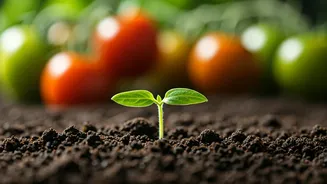
and flowering plants needing six to eight hours of direct sun daily. For those with limited natural light, strategically placed grow lights can effectively mimic the sun's rays, or one can opt for shade-tolerant varieties like certain leafy greens and herbs. The choice of soil is equally critical; standard garden soil compacts too easily in containers, hindering root health. Therefore, a well-draining potting mix, which is light and airy, is essential for promoting oxygen and water circulation to the roots while also being sterile, thus preventing the introduction of pests and diseases into your living space. Ensuring easy access to water is also vital, as container plants often require watering multiple times a day. A practical solution for this can be a hose attachment for your sink, simplifying the process. Furthermore, indoor environments, especially during heating seasons, can become dry, necessitating supplemental humidity through a humidifier or by placing plants on a water-filled tray. Protection from strong winds, particularly on balconies or rooftops, is also important, achievable through windbreaks or by using heavy, stable containers. Finally, the structural integrity of your apartment must be considered, as containers filled with damp soil can become quite heavy, potentially tripling their dry weight. Always check for weight restrictions with your landlord or building management before setting up a substantial garden.
Choosing Your Indoor Crops
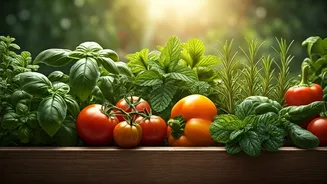
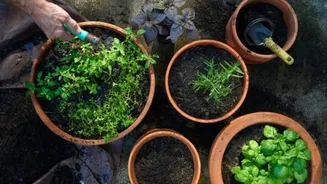
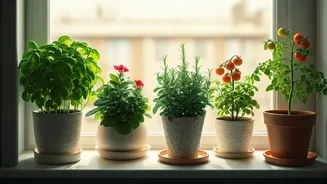
Even with limited space, a wide array of plants can flourish in an apartment setting. While a full-sized apple tree may be impractical, dwarf or columnar varieties exist that can fit into tight spots. The most rewarding approach is to select plants that align with your culinary preferences, allowing you to experiment with what thrives best. Starting from seeds offers a broader selection and is more economical, though young nursery plants will establish your garden more quickly. Herbs are excellent candidates, with varieties like mint, chives, parsley, lavender, basil, and thyme providing fresh flavors for cooking, though they may not grow as large as their outdoor counterparts and might require frequent replanting if harvested extensively. Fast-growing, shallow-rooted salad greens such as lettuce, spinach, and arugula are also well-suited for container gardening and are generally forgiving of less-than-perfect conditions, provided they receive ample water. Tomato plants, particularly dwarf or determinate varieties, can thrive in pots at least 14 inches in diameter, with patio varieties even suitable for hanging baskets. Chili peppers are another excellent choice, often producing fruits year-round, and while sweet peppers can be grown, hot varieties tend to perform better in containers. For a touch of citrus, dwarf Meyer lemon trees can flourish indoors with sufficient sunlight and humidity, though it's advisable to place a protective barrier under the pot to catch any sticky sap. Finally, strawberries, when provided with at least six hours of sun and consistently moist soil, can yield delicious fruit in window boxes or containers.
Nurturing Your Apartment Garden
Consistent care is the cornerstone of a successful apartment garden. Watering is arguably the most critical task, as the soil in containers dries out rapidly, especially as plants mature and require more hydration. A simple finger test, checking the soil an inch or two below the surface, will indicate when watering is needed. Beyond water, regular feeding is essential according to each plant's specific requirements. Water-soluble fertilizers, mixed in during watering, offer a convenient method. It's also wise to check if your potting mix already contains nutrients, which will postpone the need for external feeding. Despite indoor settings, pests and diseases can still affect plants, and the absence of natural predators means vigilance is key. Inspecting your plants for any signs of trouble, such as discolored leaves or holes, should be part of your routine watering and harvesting checks. If a problem is detected, isolating the affected plant is crucial until the issue is resolved. Finally, learning the optimal time for harvesting your specific crops and acting promptly will not only allow you to enjoy the fruits of your labor but can also stimulate further growth and production.