






Unified Solutions
A groundbreaking study reveals that tackling physical activity and climate change in tandem unlocks significantly greater advantages than addressing them
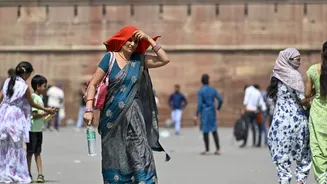
in isolation. Researchers have developed a conceptual model, dubbed the 'physical activity and climate change' framework, designed to provide a practical foundation for creating integrated, equitable, and sustainable solutions. This approach recognizes that well-designed initiatives promoting activities like walking, cycling, and public transport can simultaneously contribute to mitigating and adapting to climate change, all while enhancing public health and fostering greater equity. The researchers highlight that current efforts in promoting physical activity are not enough; a coordinated strategy is essential to ensure that physical activity initiatives effectively contribute to broader societal goals, including building resilience against climate impacts. The study suggests that climate change itself poses a threat to physical activity by making outdoor environments less safe or accessible due to extreme weather events like heatwaves and floods. Conversely, by reducing our dependence on motorized transport and encouraging lifestyles with lower emissions, physical activity initiatives, particularly those focused on active transportation and thoughtful urban design, can play a crucial role in mitigating climate change.
Equity in Motion
Further analysis of physical activity data from 68 countries has exposed persistent disparities in how people around the globe engage in physical activity. The study found that access to physical activities pursued for leisure, such as recreational exercise—the only type consistently driven by personal choice—was a striking 40 percentage points higher among socially advantaged groups. These groups typically comprise wealthy individuals residing in high-income nations. In stark contrast, less-advantaged populations, including poor women in low-income countries, experienced significantly lower access. Interestingly, physical activity driven by economic necessity, such as engaging in physically demanding labor, was found to be more prevalent among these disadvantaged populations. This highlights a critical intersection where socioeconomic status profoundly influences the type and accessibility of physical activity, underscoring the need for equitable approaches in both health and climate strategies.
Policy Implementation Gap
A comprehensive review of 661 national policy documents aimed at promoting physical activity, developed across 200 countries between 2004 and 2025, revealed a significant gap between policy development and actual implementation. While most nations have indeed developed and adopted policies related to physical activity, the evidence of these policies being put into practice remains limited. The analysis indicated that only 38.7 percent (256 out of 661) of the examined policies assigned actionable responsibilities to three or more government sectors, such as health and education. This suggests a notable lack of cross-sectoral collaboration, which is vital for effective policy execution. Furthermore, interviews with 46 key stakeholders, including government officials, academics, policy leaders, and civil society representatives, identified a low but gradually increasing political priority for physical activity as a primary obstacle hindering implementation. This indicates that while policies exist, their integration into broader governmental agendas and their active promotion face challenges.