





Embrace Perennial Power
Move beyond the fleeting beauty of annuals and invest in the lasting charm of perennials. While annuals offer a quick splash of color, they require yearly
replacement, adding expense and labor. Opt instead for resilient perennials like coneflowers, black-eyed Susans, and yarrow. These varieties not only return year after year with minimal effort but also thrive beautifully in flower beds, planters, and pots, ensuring continuous visual interest with less upkeep. Their robust nature makes them a smart, sustainable choice for long-term garden appeal.
Attract Vital Pollinators
Elevate your garden's purpose by incorporating pollinator-attracting plants. Beyond their aesthetic appeal, flowers like foxgloves, pineapple sage, and bee balm serve a crucial ecological role by drawing in essential bees and hummingbirds. Choosing native pollinator plants specific to your region ensures they will thrive and best support local wildlife. This adds a dynamic, living element to your landscape, creating a vibrant ecosystem that benefits both your garden and the environment, while also enhancing visual appeal with their colorful blooms.
Define Garden Beds
Crisp garden bed edging not only provides a clean, finished look but also plays a functional role in weed suppression. Crucially, it acts as a protective barrier, safeguarding delicate plants, trees, and shrubs from accidental damage by lawnmowers and weed whackers. While conventional plastic edging is an option, consider more natural materials such as rocks or woven branches (wattle edging) for a rustic and charming aesthetic that seamlessly integrates with your garden's design, enhancing both form and function.
Seasonal Color Planning
Ensure your front garden remains a vibrant spectacle throughout the year by strategically selecting plants that bloom at different times. For captivating autumn displays, incorporate plants with striking color-changing leaves, such as viburnums, blueberries, and dogwood. Don't overlook winter interest; plants like ninebark, paper birch, and winterberry offer unique bark textures and attractive berries, providing visual appeal even in the coldest months, thus creating a garden that captivates in every season.
Charming Window Boxes
Window boxes offer a remarkably simple yet effective way to enhance your home's exterior attractiveness. Skillfully placed, they can highlight architectural features and complement your home's existing colors, allowing for easy seasonal plant updates. Trailing plants, such as creeping Jenny and sweet potato vine, are particularly effective in window boxes, creating a lush, cascading effect that draws the eye and adds significant visual appeal to windowsills and eaves, making them a focal point.
Strategic Planters and Pots
Complementing window boxes, porch planters and hanging baskets are excellent additions for injecting color and character into your home's facade. Tall pots can elegantly frame doorways or walkways, while cascading plants in planters can introduce dynamic movement and vibrant hues to porches and patios. For a classic arrangement, utilize the 'thriller, spiller, filler' technique: a tall 'thriller' plant for height, a trailing 'spiller' plant for drama, and a bushy 'filler' plant to complete the look, creating visually rich containers.
Layered Planting Design
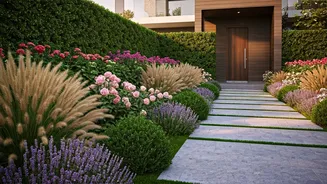
To introduce depth and visual sophistication to your front flower beds and walkway gardens, employ a layered planting approach. Position taller shrubs and perennials towards the rear of the beds, followed by mid-height plants, and then low-growing ornamentals or groundcovers at the front. This technique not only creates a more intentional and professional garden design but also allows for a diverse interplay of textures, colors, and forms, resulting in a more dynamic and visually engaging landscape composition.
Feature Specimen Plants
Incorporate specimen plants, such as small trees or ornamental shrubs, as captivating focal points within your flower gardens or to draw attention to specific architectural elements of your home. Plants distinguished by unique leaf colors, interesting growth habits, or striking floral displays serve exceptionally well in this capacity. For instance, a weeping beech, with its deep foliage and gracefully cascading branches, makes a dramatic statement piece that enhances the overall aesthetic of the landscape.
Mastering Color Play
Brightly colored flowers naturally draw attention to entryways, but for a truly impactful design, consider utilizing complementary colors. Select plants whose hues harmonize with or accentuate the existing colors of your home, such as vibrant shutters or a distinctive mailbox. This intentional color coordination creates a cohesive and visually appealing curb appeal, unifying your garden's palette with your home's architecture for a polished, integrated look that feels deliberate and inviting.
Highlighting Foliage Variety
While flowering plants are essential for garden appeal, don't underestimate the power of foliage. Ornamental grasses introduce dynamic texture and movement to beds, while plants with variegated or silver-toned leaves can add unexpected pops of color to planters and window boxes. The diverse shapes, sizes, and colors of leaves offer a rich tapestry that can provide visual interest throughout the seasons, even when flowers are not in bloom, adding another dimension to your landscape design.
Beautify Entryways
Strategically placing plants near your front door instantly creates a more welcoming entrance. Beyond immediate entry points, extend this concept to frame front walkways and driveways using planters, fencing, and thoughtfully chosen hardscape elements. Consider planting a narrow, colorful flower bed along the edge of your front path to create an inviting visual guide that enhances the approach to your home, making the journey from street to doorstep a more aesthetically pleasing experience.
Apply Fresh Mulch
An annual application of mulch is key to maintaining tidy garden beds, suppressing weeds, and insulating soil to prevent rapid drying. Common choices include wood and bark mulches, but budget-friendly alternatives like pine needles and chopped autumn leaves are also effective. Apply mulch in a 1- to 3-inch layer, ensuring it remains a few inches away from plant stems to prevent moisture retention issues and potential rot, thereby promoting healthier plant growth and a neater appearance.
Enhance Road Verges
Hellstrips, or road verges, are often overlooked areas between lawns and roadways. If you have ownership and planting rights for this space, it presents a prime opportunity for sturdy ornamental plants that can withstand moderate foot traffic. Consider resilient options like creeping thyme and creeping phlox, which not only add greenery but also create a more finished look along the street frontage, transforming a typically neglected strip into a functional and attractive part of your landscape.
Construct an Arbor
Arbors serve multiple purposes: they delineate spaces, create elegant frames for walkways, and introduce an additional layer of visual interest to the front of a home. While pre-made arbors are readily available, a simple DIY version can be constructed using a cattle panel arch secured with t-posts. Once installed, encourage vining plants to grow up and around it, adding color and a charming vertical element that enhances the entryway and garden boundaries, creating a picturesque feature.
Design Mailbox Gardens
The area around mailboxes, much like road verges, is often an underutilized planting space. Creating a small mailbox garden offers an additional area to plant perennial and annual flowers, contributing to a more cohesive and polished front lawn appearance. Incorporating bed edging materials such as stones or bricks around these small gardens helps clearly define the space, separating it from the lawn and simplifying lawn maintenance tasks like mowing.
Effective Weed Removal
Weeds can detract significantly from even the most meticulously designed garden. Fortunately, effective weed control doesn't require harsh chemicals. Mulching is highly effective for general weed suppression. For stubborn weeds in walkways, consider using a pressure washer or a horticultural vinegar spray. Alternatively, manual weeding, especially when aided by specialized tools like a hori-hori, remains a reliable and accessible method for maintaining pristine garden beds.
Incorporate Scented Plants
Extend the sensory appeal of your front garden beyond visual aesthetics by introducing fragrant plants. Placing aromatic species like mock orange, lilacs, and heliotropes near your front door or along driveways can transform the daily act of arriving home into a delightful olfactory experience. The pleasant aromas offer a warm welcome and create a more immersive, transporting atmosphere as you approach and enter your home, engaging another sense.
Utilize Groundcovers
Empty soil patches are prime real estate for weeds, but they can be naturally suppressed and simultaneously beautified with colorful groundcovers. For shaded areas, easy-to-maintain options include lily of the valley, foamflower, and wild ginger. In sunnier spots, creeping thyme, creeping juniper, and various sedums offer excellent coverage. These low-growing plants not only prevent weeds but also add texture and continuous color to flower beds and other bare areas, creating a lush, carpet-like effect.
Prune Appropriately
While not all plants require pruning, many perennials, trees, and shrubs benefit from occasional trimming to maintain health and appearance. The timing for pruning is crucial and varies significantly between plant species. Researching specific plant needs before pruning is essential. For instance, many beneficial pollinators overwinter in dead plant material, making spring pruning, after flowering, often the most advantageous time for many perennials to support local ecosystems.
Add Hardscaping Elements
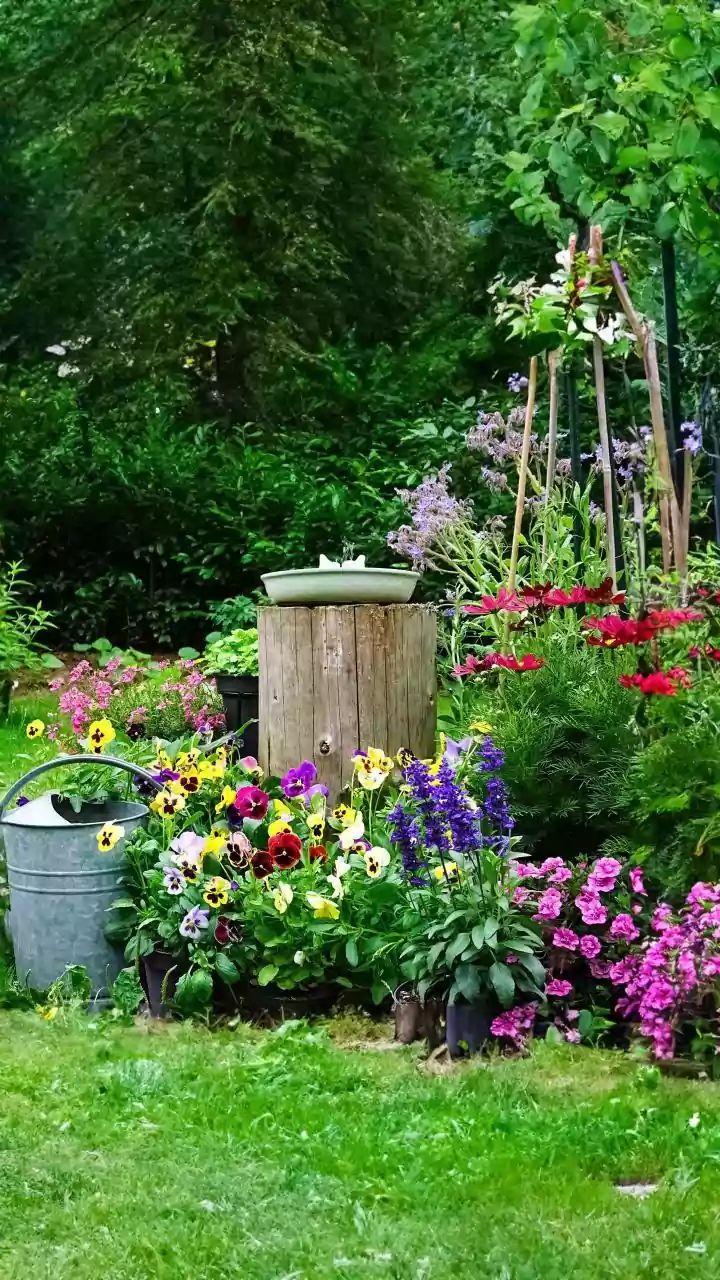
Walkways and driveways are fundamental hardscaping elements that guide the eye and enhance a home's overall appeal. However, hardscaping extends beyond pathways. Consider incorporating elements like a bird bath for visual interest and wildlife attraction, or using decorative stones and pavers within garden beds. A large, strategically placed rock can also anchor a minimalist landscape design and serve as an engaging focal point for visitors, adding structure and artistic flair.
Explore Edible Landscaping
Beyond aesthetic appeal and pollinator support, front gardens and planters can offer practical benefits by incorporating edible plants. Many herbs, such as tricolor sage, red shiso, and flowering chives, are visually attractive enough to function as ornamental plants in window boxes and porch planters. This dual-purpose approach allows you to enjoy beautiful landscaping while also harvesting fresh ingredients, integrating functionality seamlessly into your design.
Incorporate Solar Lights
Solar-powered lights offer a practical and energy-efficient solution for illuminating walkways and driveway margins after dark. These lights enhance safety by making navigation easier and contribute to a welcoming ambiance. They also serve to highlight key landscape features, such as specimen plants or attractive ornamental elements, drawing attention to your home's best assets. Their reliance on solar energy makes them an eco-friendly choice for enhancing both functionality and aesthetics.
Spread Compost Generously
Regularly enriching garden beds with compost significantly improves plant growth and flowering. Creating your own compost can be a cost-effective way to fertilize your garden. Applying sifted compost annually, in either spring or fall, provides essential nutrients. Furthermore, compost can be spread over lawns using a broadcast spreader to revitalize patchy areas and promote a greener, healthier turf, making it a versatile soil amendment for the entire landscape.
Embrace Vertical Gardening
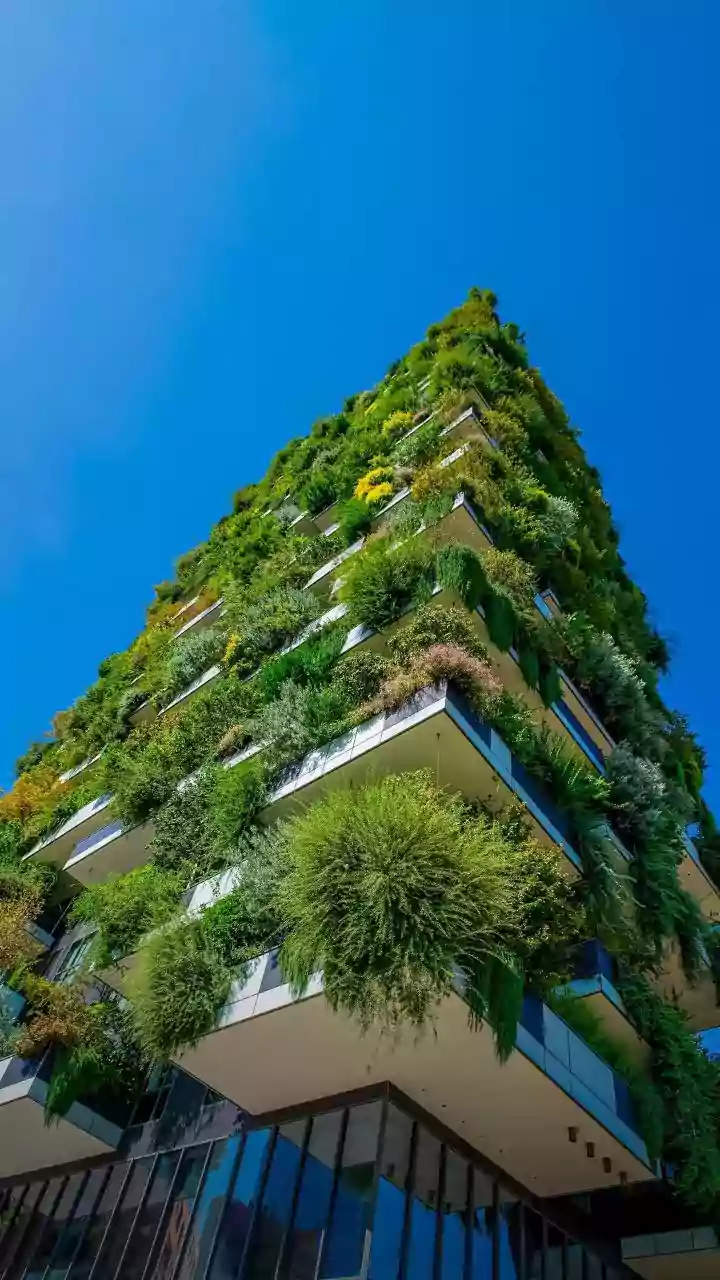
Maximize visual impact and utilize vertical space effectively by incorporating vining plants. These plants can flourish on sturdy arbors or be trained to grow up trellises attached to blank walls or fences. Trellises, typically constructed from wood or metal, provide support for a variety of climbing ornamentals like sweet peas, morning glories, and climbing hydrangeas. This technique adds height and drama to your landscape, drawing the eye upward and filling otherwise uninspired spaces with lush greenery and blooms.