



Ancient Buddhist Artistry: Ajanta Caves
Step back in time to the Ajanta Caves, a breathtaking collection of 30 rock-cut chambers carved between the 2nd century BCE and the 6th century CE. These
caves, dramatically situated in a horseshoe-shaped cliff overlooking the Waghora River, served as monastic retreats and prayer halls for Buddhist monks. What truly sets Ajanta apart are the exquisite murals and frescoes that adorn its walls. These vibrant paintings vividly narrate Jataka tales, stories chronicling the Buddha's past lives. The artistic skill displayed is astounding, showcasing a sophisticated understanding of colour, composition, and profound emotional expression. These ancient artworks offer an invaluable window into the societal norms, fashion, and courtly life of ancient India, preserving a visual narrative of a bygone era.
Spiritual Harmony: Ellora Caves
Journey to the Ellora Caves, a remarkable testament to religious coexistence, located approximately 100 km from Ajanta. Between the 6th and 10th centuries, artisans meticulously sculpted 34 caves dedicated to the followers of Buddhism, Hinduism, and Jainism. The undisputed masterpiece of Ellora is the Kailasa Temple, designated as Cave 16. This awe-inspiring structure is not built, but rather hewn entirely from a single, colossal rock. Dedicated to Lord Shiva, it stands as one of the largest monolithic rock-cut temples globally. The sheer scale, balanced proportions, and intricate sculptural detailing found throughout Ellora demonstrate not only supreme artistic talent but also an extraordinary feat of engineering precision, harmoniously blending spiritual devotion with architectural genius.
Shiva's Sacred Sanctuary: Elephanta Caves
Venture to Elephanta Island in Mumbai Harbour to explore the ancient Elephanta Caves, dating back to the 5th–8th centuries. These rock-cut temples primarily venerate Lord Shiva, and among their most revered sculptures is the iconic three-faced Maheshmurti. This powerful depiction symbolizes Shiva's multifaceted nature as the Creator, the Preserver, and the Destroyer. Although the site suffered damage during periods of colonial rule, it remains a profoundly significant example of early medieval Indian rock-cut architectural endeavors. The caves encapsulate the deep spiritual consciousness and exceptional sculptural artistry that characterized the period, offering a tangible link to India's rich religious and artistic heritage.
Architectural Grandeur: CST
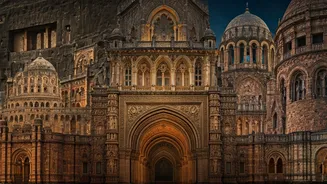
Experience the magnificent Chhatrapati Shivaji Terminus (formerly Victoria Terminus), a late 19th-century railway station that stands as a triumph of Victorian Gothic Revival architecture, subtly infused with Indian design elements. Conceived by British architect Frederick William Stevens, this iconic structure earned its UNESCO World Heritage Site status in 2004. Its facade is adorned with exquisite stained glass windows, elegant pointed arches, commanding turrets, and meticulously carved stonework. More than just a visually stunning monument, it continues to serve as one of India's busiest railway hubs, a vibrant, living heritage building where historical significance and the pulse of daily life converge seamlessly.
Biodiversity Hotspot: Western Ghats
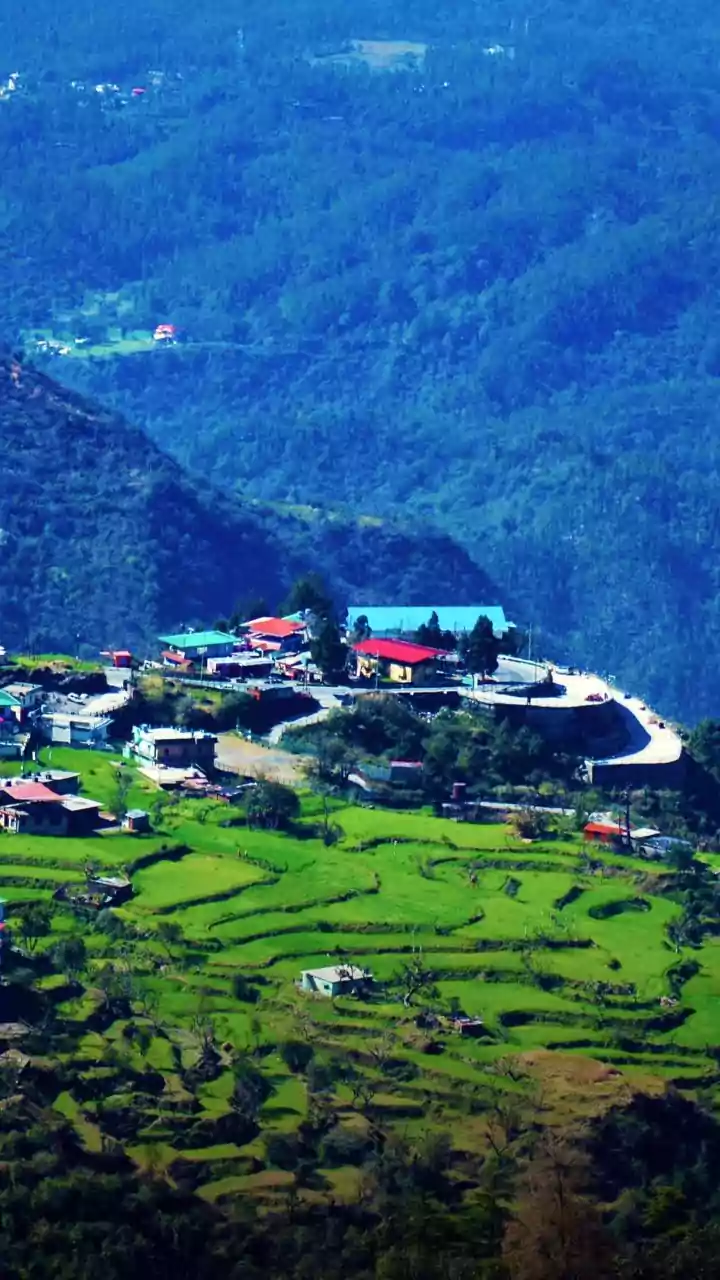
Discover the ecological marvel of the Western Ghats, a vast mountain range with a significant and ecologically vital portion located within Maharashtra. Recognized globally as one of the world's eight "hottest hotspots" for biological diversity, this region is a sanctuary for countless plant and animal species found nowhere else on Earth. The Western Ghats play an indispensable role in shaping India's monsoon patterns, influencing weather systems across the subcontinent. Within Maharashtra, popular hill stations like Mahabaleshwar and numerous wildlife sanctuaries are integral parts of this ecologically sensitive and UNESCO-designated landscape, highlighting the crucial importance of conservation efforts.