








Protein's Role in Diabetes
Managing diabetes effectively hinges on careful dietary choices, and protein is emerging as a key player beyond its traditional role in muscle building.
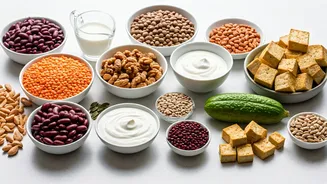
Studies, including one highlighted in the International Journal of Molecular Sciences, indicate that protein supplements can actively contribute to blood sugar regulation and improve insulin sensitivity. This means that incorporating the right kind of protein into one's diet can significantly enhance diabetes management. According to the 2020-2025 Dietary Guidelines for Americans, adults aged 19 and above should aim for 46-56 grams of protein daily, constituting 10-35% of their total caloric intake. While whole food sources like fish, meat, legumes, dairy, and nuts are vital for their broad nutrient profiles, protein drinks offer a convenient way to meet these daily requirements. The significance of adequate protein is underscored by the risk of sarcopenia, or muscle loss, which can result from insufficient intake. This condition can lead to weakness, increased susceptibility to falls, and exacerbated insulin resistance, a concern particularly as individuals age, and especially pronounced in those with pre-diabetes and diabetes.
Benefits of Sugar-Free Powders
For individuals navigating diabetes, the choice of protein supplement is crucial, with sugar-free varieties offering a distinct advantage. These specialized powders provide a healthier method for nutritional intake, primarily by stabilizing blood sugar levels and circumventing the adverse effects of added sugars. They deliver a consistent and sustained energy release, which is paramount for managing daily activities and aiding muscle repair post-exercise. Furthermore, the satiating effect of protein can effectively curb appetite, reducing the likelihood of unhealthy snacking and supporting weight management efforts. This makes them an excellent option for anyone aiming to reduce their sugar intake, including those with diabetes. These formulations deliver essential nutrition without contributing unnecessary calories, making them a strategic dietary component for maintaining stable blood glucose and promoting overall well-being without the concern of glycemic spikes.
Guidance for Choosing Powders
Selecting the right protein powder for diabetes management requires careful consideration of several factors to ensure optimal health outcomes. Firstly, the protein source is paramount; options like whey protein isolate are favored for being low in lactose and typically having minimal impact on blood sugar. Plant-based alternatives such as pea, hemp, or brown rice proteins are also valuable, provided they offer a comprehensive spectrum of essential amino acids. Soy protein also presents a good plant-based choice. Crucially, prioritize low-carbohydrate formulations, ideally with 1-3 grams of carbs per serving, to prevent blood sugar fluctuations. Vigilance regarding sugar content is also vital; many flavored powders contain hidden sugars or artificial sweeteners, so checking ingredient lists is essential. Aim for powders with a high protein-to-calorie ratio, delivering around 20 grams of protein per serving to promote satiety and muscle maintenance. It's also beneficial to select products free from fillers, artificial flavors, and preservatives, favoring those with natural ingredients and added vitamins and minerals. Including a powder with dietary fiber can further aid in blood sugar control by slowing sugar absorption and supporting digestion. Finally, always be mindful of portion sizes indicated on the nutrition label and consider allergen-free options like gluten-free or lactose-free if needed. Personal taste is also a factor for consistent consumption.