






What is Blue Turmeric?
Beyond the familiar vibrant yellow of common turmeric, India cultivates a rare and intriguing variant known as blue turmeric, scientifically identified
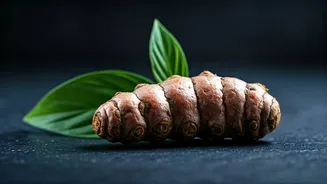
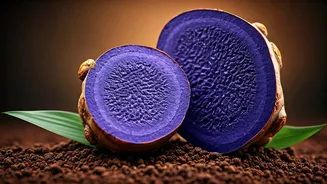
as Curcuma caesia. Unlike its widely recognized counterpart, Curcuma longa, which boasts a bright yellow interior, blue turmeric reveals a striking dark blue to bluish-black hue when sliced. This distinctive appearance hints at its unique composition and specialized applications. Predominantly found in specific regions of India and parts of Southeast Asia, this unusual rhizome has primarily been integrated into the realms of traditional medicine and folk remedies rather than everyday culinary practices. Its potency and distinct sensory profile set it apart, making it a subject of considerable interest for those exploring natural healing modalities and the broader spectrum of Ayurvedic knowledge. This deep indigo variety represents a fascinating divergence within the turmeric family, offering a different set of benefits and uses.
Distinct Chemical Profiles
The divergence between blue and regular turmeric extends significantly into their core chemical makeup, dictating their respective uses and properties. Standard yellow turmeric owes its celebrated anti-inflammatory and antioxidant prowess largely to curcumin, a potent compound present in abundant quantities. In contrast, blue turmeric exhibits a markedly lower concentration of curcumin. However, it compensates with the presence of other active constituents, including significant amounts of essential oils, camphor, and various phenolic compounds. This unique blend of active ingredients contributes to blue turmeric's characteristic stronger aroma and a more pronounced, camphor-like bitter taste, rendering it less appealing for direct inclusion in daily meals. Consequently, while yellow turmeric is a kitchen staple and a common ingredient in health supplements, blue turmeric finds its niche almost exclusively within traditional Ayurvedic practices, folk medicine, and specific home-based therapeutic applications where its distinct chemical profile can be most effectively leveraged.
Potent Healing Properties
Blue turmeric is traditionally revered for a spectrum of health benefits, though its use necessitates mindful application due to the concentrated nature of its active compounds. It is frequently employed in ancestral healing practices to alleviate pain and reduce inflammation, proving particularly beneficial for conditions like joint discomfort, muscular aches, and physical injuries. Its inherent antimicrobial qualities are also recognized, offering potential assistance in combating infections and promoting the accelerated healing of minor wounds. Furthermore, traditional medicine has long utilized blue turmeric to support respiratory well-being, often administering it for relief from coughs, asthma symptoms, and nasal congestion. Beyond these applications, it is also believed to aid digestive processes by mitigating issues such as gas and stomach unease. Anecdotal evidence also suggests skin benefits, with some individuals applying it topically to soothe conditions like rashes, itching, and small abrasions, capitalizing on its purported calming and restorative effects on the skin.
Usage Precautions
Despite its impressive array of traditional health benefits, the utilization of blue turmeric is strongly advised to be approached with a degree of caution and moderation. Due to the presence of potent compounds within its composition, employing it in excessively large quantities or without proper guidance may potentially lead to unintended side effects. It is therefore recommended that individuals, especially those who are pregnant or managing pre-existing health conditions, seek expert medical consultation before incorporating blue turmeric into their regimen. This careful approach ensures that the powerful attributes of this rare spice are harnessed safely and effectively, maximizing its therapeutic potential while minimizing any associated risks. Adhering to these guidelines is paramount for a beneficial and safe experience with this unique natural remedy.