



Planetary Parade Peaks
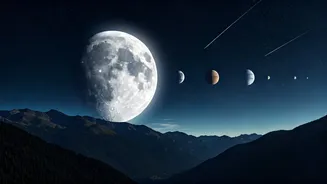
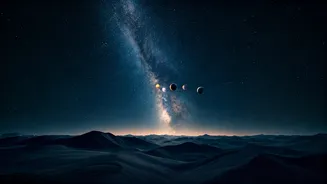
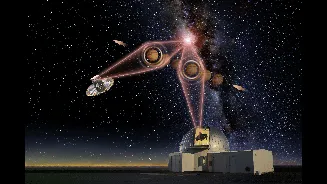
February 2026 is set to be an extraordinary month for planet enthusiasts, culminating in a rare and highly anticipated planetary alignment. This celestial
convergence will feature several of our solar system's brightest wanderers gracing the evening sky in close proximity, creating a truly memorable spectacle. While Jupiter, the king of planets, will dominate the early evening, Saturn will also be a prominent guest. Observing this alignment requires a clear view of the western horizon shortly after sunset. Binoculars or a small telescope will enhance the experience, revealing more detail on these distant worlds and allowing for a more intimate appreciation of their orbital dance. This rare event offers a unique opportunity to witness the grandeur of our solar system firsthand and is a must-see for amateur astronomers and casual stargazers alike.
The Dazzling Snow Moon
February's full moon, often referred to as the 'Snow Moon,' will grace the night sky, offering a brilliant celestial display. This event provides an excellent opportunity for skywatchers to witness the moon at its most luminous. Depending on your location, the 'Snow Moon' may rise around sunset, casting a serene glow across the landscape. For those interested in astrophotography, this full moon presents a fantastic subject. While the full moon itself is a stunning sight, its proximity to other celestial objects or constellations can add further interest to observations and photographs. Remember that full moons can sometimes outshine fainter deep-sky objects, so planning your observations of nebulae or star clusters around other lunar phases might be more fruitful.
Lunar Encounters
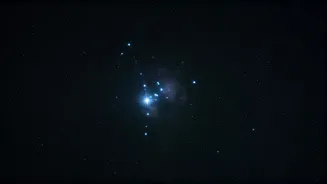
Throughout February 2026, the Moon will engage in a series of captivating close encounters with prominent celestial bodies, offering varied and beautiful viewing opportunities. Early in the month, look for the Moon to approach the Pleiades star cluster, a breathtaking collection of young, hot stars known for its ethereal beauty. Later, the Moon will be seen near Saturn, its rings potentially discernible with even modest telescopic aid. Another notable event is the Moon's proximity to Jupiter, the gas giant's immense presence making this a particularly striking pairing. These lunar conjunctions offer a dynamic way to appreciate the vastness of space, as our familiar Moon acts as a celestial pointer to other wonders. Each encounter provides a unique photographic subject and a memorable stargazing experience.
Cometary Visitors
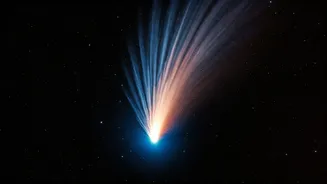
The skies of early spring 2026 may be graced by the presence of a potentially bright comet, igniting excitement among astronomers. Comet C/2026 A1 (MAPS) is on a trajectory that could make it a notable sight for stargazers. While comets are notoriously unpredictable, the prospect of a visible comet adds an element of thrilling anticipation to the astronomical calendar. Observing comets often requires patience and a clear, dark sky away from light pollution. Binoculars are usually sufficient to spot a comet, but a telescope can reveal more of its tail and coma. The discovery of such celestial wanderers reminds us of the dynamic nature of our solar system and the constant influx of new and exciting phenomena to observe.