



The Spoilage Secret
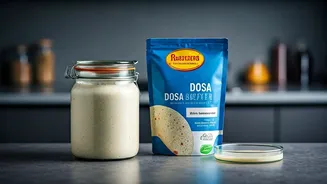
Packaged dosa batter, while a convenient pantry staple, carries inherent risks if not handled with care. Because it's already fermented, exposure to air
and microscopic organisms can lead to rapid over-fermentation and spoilage. The rich, moist, and nutrient-dense nature of this batter creates an ideal breeding ground for harmful bacteria, such as Bacillus cereus. Ingesting batter contaminated with these pathogens can trigger severe gastrointestinal distress. Understanding this fragility is the first step in preventing foodborne illnesses linked to this popular convenience food, especially in light of recent unfortunate events that highlight these dangers.
Additives and Altered Nutrition
To extend shelf life and maintain texture, commercial dosa batters often incorporate preservatives, acidity regulators, and stabilisers. While these ingredients meet safety standards, their repeated consumption can potentially disrupt overall nutritional balance. Compared to freshly prepared batter, these commercially processed versions offer fewer natural health benefits. The presence of chemicals designed to prevent spoilage and preserve consistency might lead to digestive discomfort for some individuals, and in rarer instances, have been linked to allergic reactions. Additionally, a higher salt content is frequently used for preservation, posing a concern for individuals managing conditions like high blood pressure or kidney ailments.
Fermentation Quality Matters
Traditional dosa batter develops through a slow, natural fermentation process. This gradual method cultivates beneficial bacteria, often referred to as probiotics, which contribute positively to gut health, aid digestion, and enhance nutrient absorption. These natural probiotics can make dosas easier to digest and potentially help in regulating blood sugar levels more effectively. The fermentation process also helps break down antinutritional compounds present in ingredients like urad dal, making essential minerals more accessible to the body. In contrast, commercial batters often employ controlled or accelerated fermentation techniques to meet production timelines. These expedited processes can reduce the levels of beneficial probiotics and alter the nutritional profile, resulting in a product that offers less health advantage than its traditionally prepared counterpart.
Storage Sensitivity and Cold Chain
The delicate nature of fermented batter makes it highly susceptible to temperature fluctuations. Bacteria thrive and multiply rapidly when refrigeration is compromised at any stage, whether during transportation, storage, or retail display. The ready-to-cook food sector in India, in particular, grapples with consistent challenges in maintaining an unbroken cold chain, as highlighted by numerous food safety audits. This lapse in temperature control is identified as a significant obstacle for ensuring the safety and quality of products like packaged dosa batter, directly impacting consumer health and safety.
Contamination Pathways
When hygiene standards are compromised during large-scale industrial production, the risk of contamination escalates significantly. Research has pinpointed three primary routes through which microbial hazards can be introduced into the product: improper handling of ingredients and the batter, the use of unclean equipment, and breaches in packaging integrity. Unlike home preparation, where a single individual typically manages the process, industrial food systems demand rigorous adherence to safety protocols across the entire supply chain to mitigate these risks effectively.
Consumer Precautions for Safety
While packaged dosa batter isn't inherently unsafe, awareness of potential health hazards is crucial. Consumers should educate themselves about the ingredients and preparation methods of their convenient food choices. Key precautions include always storing the batter in the refrigerator immediately upon purchase, avoiding prolonged periods at room temperature, and inspecting for signs of spoilage such as an unusual sour odour, excessive bubbling, or a ballooned package, all indicative of over-fermentation. It is advisable to consume the batter within one to two days of opening and to ensure that any dosa prepared from it is thoroughly cooked to eliminate any potential bacteria.