




Seal the Heat
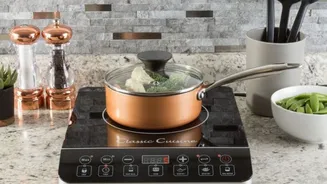
A fundamental yet often overlooked tip for conserving cooking gas is to always use a lid when heating food. This simple action traps essential heat and
steam within the cookware, accelerating the cooking process and ensuring food cooks more uniformly. When lids are absent, heat dissipates, forcing the burner to remain active for extended periods, thereby escalating gas usage. By consistently covering your pots and pans, you can achieve faster meal preparation and achieve notable reductions in your LPG consumption. This method is particularly effective for boiling, simmering, and stewing, where maintaining internal temperature is crucial.
Match Burner Size
Many gas stoves feature burners of varying sizes, yet a common practice involves defaulting to the largest burner regardless of the utensil. This inefficient habit leads to substantial gas wastage, as the flame flares out beyond the base of smaller pots, heating the surrounding air rather than the food. The optimal approach is to pair smaller utensils with the appropriately sized smaller burner, reserving the larger ones for substantial pots and intensive cooking tasks. This ensures that the flame is contained directly beneath the cookware, maximizing heat transfer and minimizing fuel expenditure. This mindful selection process can significantly improve cooking efficiency.
Pre-Soak Ingredients
Significantly reducing the time and energy required for cooking staple foods like rice, lentils, and beans can be achieved through pre-soaking. Allowing these ingredients to absorb water for an hour or even just thirty minutes before they hit the stove softens them considerably. This pre-hydration dramatically shortens their cooking duration once placed on the heat. Consequently, the stove needs to be on for a much briefer period, leading to a direct saving of LPG. This practice not only conserves fuel but also contributes to a more efficient and streamlined meal preparation process.
Chop Small
The physical form of your vegetables plays a vital role in how quickly they cook. Large, whole pieces of produce naturally require a more extended period on the heat to become tender. By cutting vegetables into smaller, uniform pieces, you create a larger surface area exposed to heat, allowing them to cook faster and more evenly. This reduction in cooking time directly translates to less gas being consumed from your cylinder. This simple preparation technique is applicable across a wide range of dishes, from stir-fries to curries, contributing to overall fuel efficiency.
Batch Cook Wisdom
Repeatedly igniting the stove throughout the day for individual dishes can cumulatively consume more LPG than necessary. A more fuel-efficient strategy involves planning your meals to cook multiple dishes concurrently. For instance, you could prepare rice, a vegetable dish, and a lentil preparation in a single cooking session, leveraging the heat and stove time more effectively. This consolidated approach minimizes the number of times the burner needs to be lit and maintained, thereby reducing overall gas consumption and streamlining your kitchen workflow.
Dial Down Flame
A common inefficiency in many kitchens is maintaining a high flame even after liquids or food have reached their boiling point. Once a boil is achieved, the cooking process can effectively continue at a lower, simmering heat. Keeping the flame excessively high at this stage is wasteful, as it does not significantly accelerate cooking and instead depletes your LPG supply more rapidly. Adjusting the flame to a simmer once boiling commences is a crucial step towards maximizing your cylinder's lifespan.
Sparkling Burners
The efficiency of your gas stove is directly impacted by the cleanliness of its burners. Over time, food particles and grease can accumulate and clog the small holes from which the flame emerges. This obstruction leads to uneven flame distribution and an overall less efficient combustion of gas. Regularly cleaning your burners ensures a steady, strong blue flame, which indicates optimal gas burning. A clean burner not only saves fuel but also contributes to a safer and more consistent cooking experience.
Pot Meets Flame
Another frequent source of gas wastage occurs when the size of the cookware does not align with the burner's flame. When a flame extends beyond the base of a pot or pan, a significant amount of heat is lost to the surrounding air, failing to contribute to the cooking process. Selecting cookware that appropriately matches the size of the burner is paramount. This ensures that the heat generated is focused directly onto the bottom of the utensil, maximizing heat transfer and minimizing fuel waste for more efficient cooking.
Flat Base Advantage
The design of your cookware can subtly influence cooking efficiency. Vessels with flat bottoms are generally superior at absorbing and distributing heat from the burner compared to those with rounded bases. A flat base sits evenly on the stove, allowing heat to spread uniformly across the entire cooking surface. This enhanced heat transfer means food cooks more rapidly and requires less time on the flame, consequently reducing the amount of LPG consumed. Opting for flat-bottomed cookware is a simple yet effective strategy for saving gas.
Residual Heat Magic
A clever technique to conserve gas involves turning off the flame a minute or two before your dish is completely finished cooking. Many foods retain heat and continue to cook even after the burner is extinguished, a process known as residual heat cooking. By anticipating this, you can allow the trapped heat within the cookware to complete the cooking cycle. This simple adjustment can lead to tangible savings in LPG without compromising the quality or doneness of your meals, making your cylinder last considerably longer.