


Seasonal Charms Unveiled
Bhutan's allure varies throughout the year, with each season offering distinct experiences tailored to different traveler aspirations. While spring, from
March to May, and autumn, spanning October and November, are widely celebrated for their temperate climates and clear skies, the choices extend beyond these popular windows. Spring bursts forth with the vibrant hues of rhododendrons and pleasant warmth, making it excellent for exploring nascent greenery and undertaking moderate treks. Autumn, on the other hand, presents crisp air, exceptional visibility of the majestic Himalayas, and a symphony of cultural festivals, attracting numerous visitors due to its confluence of ideal weather and celebratory atmosphere. October, in particular, stands out as a peak month for international travelers seeking that quintessential Bhutanese experience, closely followed by April. For those who appreciate fewer crowds and potentially discover softer pricing for tours, the winter months of December through February, and the monsoon period from June to August, present a more serene, albeit potentially wetter or colder, alternative. Regardless of the season chosen, the journey through Bhutan is consistently described as a worthwhile investment, promising unparalleled cultural immersion and natural beauty.
Autumn's Peak Appeal
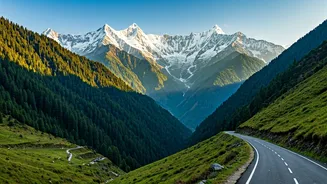
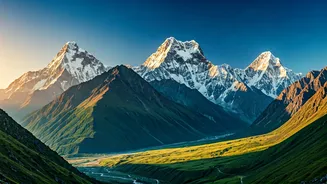
October emerges as a singular highlight for experiencing Bhutan, often crowned the 'best' month due to its confluence of ideal weather, captivating festivals, and superb trekking conditions. During this period, temperatures are comfortably mild, and the skies are typically clear, offering unparalleled vistas of the surrounding mountain ranges. This favorable climate makes it an exceptionally popular time for international tourists, leading to larger gatherings at prominent attractions and along popular trekking routes. However, even with increased visitor numbers, the density of crowds in Bhutan remains significantly less imposing compared to neighboring South Asian destinations like Nepal or India. For those who don't mind sharing the experience with others, October provides a fantastic opportunity to witness Bhutan at its most accessible and visually stunning. The allure of the season is amplified by numerous cultural celebrations and festivals, drawing both locals and visitors alike into the vibrant spirit of the kingdom.
Spring's Verdant Flourish
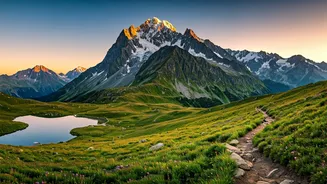
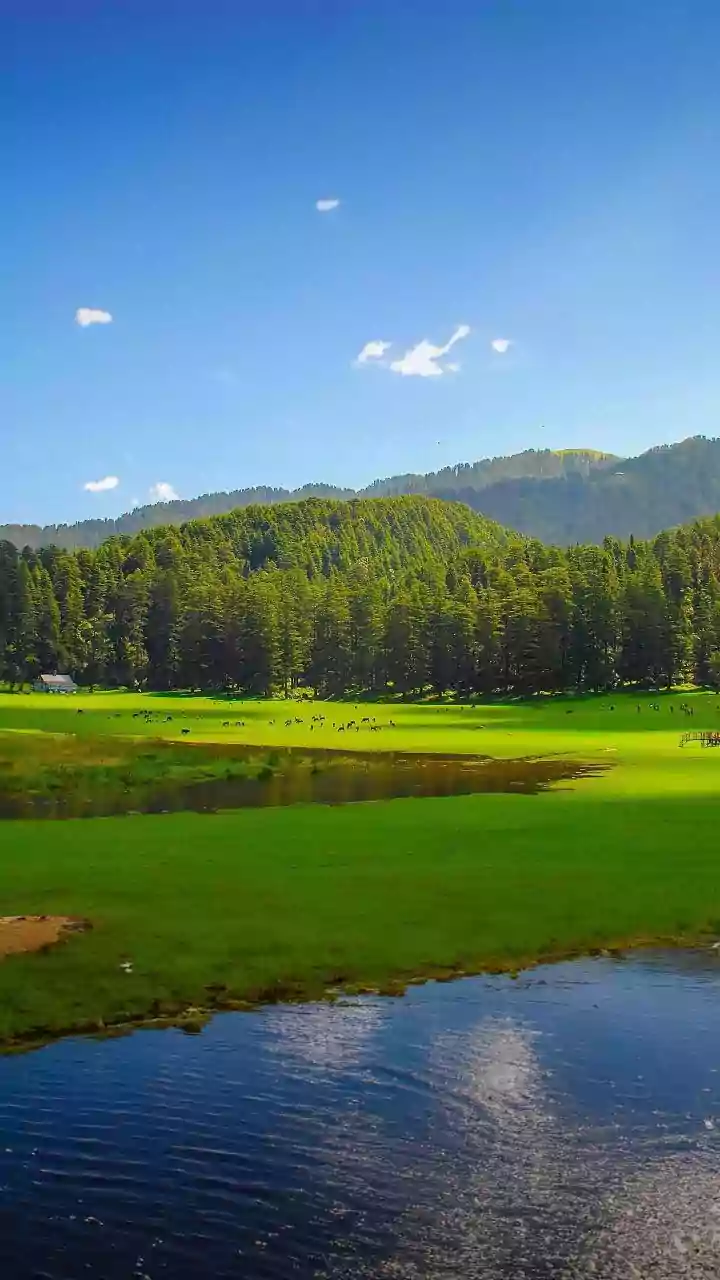
From mid-March through May, Bhutan transforms into a spectacle of natural beauty, largely due to the stunning blooms of rhododendrons that carpet hillsides in vibrant shades of pink, red, and white, alongside the striking blossoms of the red silk-cotton trees. This springtime period offers delightfully warm, yet not overly hot, weather, creating a perfect environment for exploration. While the skies might occasionally be a touch less crystalline than in autumn, the landscape is at its most verdant, and the higher Himalayan peaks often retain a picturesque dusting of snow. April is the second most sought-after month for visitors, largely driven by the opportunity to witness the revered Paro Tsechu, a vibrant masked dance festival typically held in late March or early April. Early spring also presents excellent conditions for day hikes along lower-altitude sections of the Trans Bhutan Trail, with higher elevation treks becoming more feasible and enjoyable as late April and May approach.
Trekking Seasons Defined
For enthusiasts of high-altitude adventures, the spring and autumn seasons stand out as the prime windows for trekking in the Bhutanese Himalayas. Spring, while celebrated for its blooming flora and generally agreeable temperatures, can sometimes present more moisture and muddy trails, with higher passes potentially retaining more snow. In contrast, autumn, from September to November, typically boasts clearer Himalayan panoramas and pleasant daytime temperatures averaging around 20°C (68°F), making it a preferred choice for many trekkers seeking uninterrupted mountain views and comfortable hiking conditions. It is strongly advised to avoid setting out on mountain trails during the monsoon season, which spans June to mid-September, as heavy rainfall can lead to challenging conditions such as leeches, damaged roads, and swollen river crossings, transforming a trek into a more arduous survival experience. September, in particular, can be quite wet and overcast. For those interested in lower-altitude routes, March is a viable option for treks like the Saga La and Bumdrak.
Winter Wildlife & Serenity
November heralds the arrival of the majestic black-necked cranes, with as many as 600 of these graceful birds making the Phobjikha Valley their winter sanctuary. This makes early November an exceptional time for birdwatching enthusiasts aiming to spot these auspicious creatures in their natural habitat before the freezing winter temperatures set in, though they remain until March. Most of Bhutan remains accessible throughout the winter months of December to February, with the exception of the high mountain passes in prime trekking regions, which remain snowbound until late spring. The significant reduction in tourist numbers during winter offers a wonderfully peaceful and quiet experience of the kingdom. While the main valleys experience minimal snowfall and relatively mild temperatures, it's essential to pack warm layers for excursions, especially to higher elevations. This period offers a unique opportunity to engage with Bhutanese culture and landscapes without the bustling crowds.
Festivals & Cultural Immersion
To truly immerse yourself in the spirit of Bhutan, aligning your visit with one of the kingdom's vibrant and colorful religious festivals, known as tsechus, is highly recommended. These events are significant social gatherings where Bhutanese people don their finest traditional attire, creating a lively and deeply cultural atmosphere. While most festival dates are determined by the lunar calendar and confirmed by astrologers well in advance, major tour operators and official websites typically provide updated schedules. The Paro and Thimphu tsechus, held in April and September respectively, are particularly renowned and attract substantial crowds due to their grandeur. For a more intimate cultural experience, consider attending smaller, regional tsechus in locations like Haa, Gasa, Mongar, or Trongsa, where you might find yourself as one of the few foreign visitors, offering a more personal connection to the festivities. October also hosts unique secular festivals, such as the one in Laya, featuring lively competitions like yak beauty contests and horse racing.