




A Royal Jewel
Nestled in the dynamic city of Vadodara, the Lukshmi Vilas Palace stands as a breathtaking testament to India's royal heritage, widely recognized as the largest
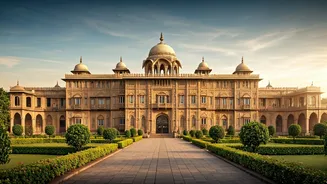
private residence on the planet. This magnificent structure, a product of the princely era, transcends mere opulence; it serves as a vibrant portal into the rich cultural tapestry and architectural genius of the Gaekwad dynasty. Commissioned in 1890 by the visionary Maharaja Sayajirao Gaekwad III, the palace is a masterful creation, initially designed by British architect Major Charles Mant, with subsequent enhancements by Robert Fellowes Chisholm. Its architectural narrative is a captivating fusion of Indian traditions and European styles, reflecting a period of significant cultural exchange. Spanning an estate of nearly 700 acres, its sheer magnitude is astonishing, reportedly dwarfing Buckingham Palace by approximately four times, underscoring its status as an extraordinary feat of royal grandeur and ambition. This palace is not just a building; it's a living piece of history, an enduring symbol of a bygone era of princely splendor.
Architectural Masterpiece
The Lukshmi Vilas Palace captivates with its distinctive architectural style, a seamless blend of Indian, Islamic, and European design influences. This Indo-Saracenic approach, popular during the British colonial period, is evident in its majestic domes, elegant minarets, graceful arches, and elaborately detailed carvings. Beyond the exterior's allure, the palace's interiors are equally breathtaking, offering a visual feast. The Durbar Hall, a central and particularly iconic space, is adorned with stunning stained glass windows, intricate Venetian mosaic floors, and magnificent chandeliers that cast a warm glow. The ceilings are canvases of detailed artistry, while the walls are graced with portraits and historical artifacts that vividly recount the saga of the Gaekwad family's illustrious past. Every element, from the grand architectural statements to the smallest decorative detail, contributes to an immersive experience that transports visitors through time and artistry.
A Living Royal Home
Remarkably, the Lukshmi Vilas Palace continues its original function as a private residence, a rarity among India's historic palaces, many of which have been transformed into museums or hotels. It remains the cherished home of the current royal family, led by Samarjitsinh and Radhikaraje Gaekwad. This living connection to its past makes it a unique cultural landmark. While the family's private quarters are preserved, significant portions of the palace are accessible to the public. This allows visitors to marvel at its grandeur while maintaining respect for the residents' privacy. The palace complex offers more than just the main edifice; it encompasses a rich array of attractions that further illuminate its historical and cultural significance, providing a comprehensive glimpse into the Gaekwad legacy.
Beyond the Main Palace
The palace grounds host several key attractions that extend the visitor experience significantly. The Durbar Hall, historically the venue for royal ceremonies and grand assemblies, is renowned for its lavish décor and pivotal role in the dynasty's history. Adjacent to this is the Maharaja Fateh Singh Museum, a treasure trove housing an impressive collection of both European and Indian art, notably featuring exquisite works by the celebrated artist Raja Ravi Varma. Complementing these cultural institutions is a beautifully maintained golf course, recognized as one of India's finest. The extensive, meticulously kept lawns and elegantly designed gardens contribute immensely to the palace's serene ambiance, offering a tranquil retreat from the city's hustle and bustle and adding another layer to the estate's multifaceted appeal.
Legacy and Practicalities
The Lukshmi Vilas Palace is more than just a royal abode; it symbolizes an era of enlightened leadership in India's princely states. Maharaja Sayajirao Gaekwad III was a transformative figure, celebrated for his progressive reforms in education, infrastructure, and governance, and the palace stands as a monumental testament to his forward-thinking vision. Over the years, it has also been the setting for numerous significant events and continues to be a vital cultural hub in Gujarat. For those planning a visit, practical considerations include its location in Vadodara, Gujarat, general daytime opening hours (subject to variation), and entry fees for the palace and museum. The optimal time to visit is between October and March, when the weather is most pleasant. Visitors should be aware that photography may be restricted in certain areas, and checking guidelines beforehand is advisable.