




Ideal Bed Length
When constructing a raised garden bed, the length is generally a flexible dimension, dictated by the available space in your garden or your budget. You
are free to extend the length of the bed as much as your area permits. However, a crucial guideline to follow pertains to the width, which should ideally not exceed approximately 4 feet. This constraint is in place to ensure that you can comfortably reach any section of the garden bed from either side. Maintaining this accessible width is paramount for efficient planting, weeding, and harvesting, preventing the need for specialized tools or uncomfortable stretching to tend to plants in the middle of a wide bed.
Achieving Optimal Depth
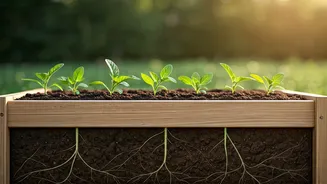
The height, or depth, of your raised garden bed plays a significant role in both plant vitality and your personal comfort. A taller bed allows you to garden without excessive bending, and some designs even enable you to sit on the edge. The primary consideration for depth, however, is providing adequate root space. For most flowers and vegetables, a minimum depth of around 20 inches is recommended to support healthy root development and nutrient uptake. Deeper beds require more soil, which exerts greater pressure on the side walls. To manage this, consider reinforcing the structure with cross supports or by driving 4x4 posts into the ground. Additionally, drilling drainage holes near the bottom of the side panels can help prevent waterlogging and further support root health, especially in taller constructions.
Plant Needs & Depth
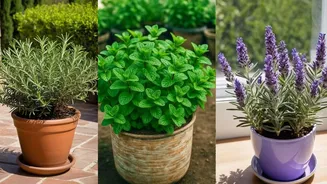
Determining the correct depth for your raised garden bed is a dual consideration, factoring in both the specific needs of your plants and your own comfort level. Different plants have varying root system requirements. Shallow-rooted plants like lettuce, spinach, and most herbs will generally be content in beds 12 to 18 inches deep. For medium-rooted vegetables such as beans, carrots, and tomatoes, a depth of 18 to 24 inches is more appropriate. Deep-rooted varieties, including artichokes, asparagus, and parsnips, will benefit from beds that are 24 to 36 inches deep. If you're not double-digging your initial garden plot to a depth of 24 inches, you'll need to construct your raised bed walls to meet these minimum depth requirements to ensure robust plant growth. The principle is simple: insufficient soil depth will stunt root development and hinder overall plant performance.
Base Layer Materials
While soil is the primary component for filling a raised garden bed, it can be an expensive undertaking. Therefore, consider layering alternative materials at the bottom to reduce costs and improve drainage. Landscape cloth is a porous membrane that prevents weeds while allowing water to pass through, though be mindful of plastic-based varieties that might be less eco-friendly. Burlap offers a natural and breathable alternative that effectively contains soil and facilitates drainage. Cardboard, free of dyes and tape, is another economical and biodegradable option that provides porosity. Avoid plastic liners, as they can impede drainage, creating a waterlogged environment detrimental to plant roots. Thoughtful material selection for the base layer ensures both structural integrity and optimal conditions for plant life.