







Streamlining Space Operations
NASA has embarked on one of its most substantial reorganizations to date, a strategic move designed to amplify efficiency and focus on pivotal mission
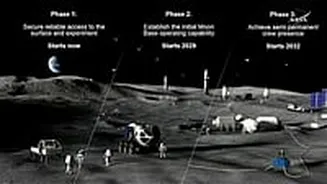
objectives without resorting to staff layoffs or facility closures. Administrator Jared Isaacman articulated that this overhaul is geared towards channeling resources more effectively towards unique NASA endeavors and liberating the workforce from the encumbrance of excessive bureaucracy and obstacles that hinder progress. The most impactful changes are concentrated within the agency's mission directorates. Specifically, the Exploration Systems Development Mission Directorate (ESDMD) and the Space Operations Mission Directorate (SOMD) have been consolidated into a new entity: the Human Spaceflight Mission Directorate (HSMD). This integration effectively reinstates the Human Exploration and Operations Mission Directorate that previously existed for a decade before its division in 2021. Lori Glaze, who was the acting associate administrator for ESDMD, will now lead HSMD as its associate administrator. Joel Montalbano, formerly the acting associate administrator for SOMD, and Kelvin Manning, who recently stepped in as acting director of the Kennedy Space Center, will both serve as deputy associate administrators within the new HSMD. This unified directorate will oversee critical areas of human spaceflight, including managing programs for low Earth orbit, such as the International Space Station and the development of Commercial LEO Destinations, led by Dana Weigel. The Artemis program, aimed at returning humans to the Moon, will be under the purview of Jeremy Parsons. Furthermore, Carlos García-Galán is appointed program manager for the burgeoning new Moon Base initiative, signaling a focused effort on establishing a lunar presence. This consolidation is a deliberate step to foster greater synergy and operational agility in NASA's human spaceflight endeavors, ensuring a more coherent and powerful approach to achieving its ambitious goals.
Innovating Aeronautics and Technology
In parallel to the human spaceflight reorganization, NASA is also merging its Space Technology Mission Directorate with its Aeronautics Research Mission Directorate, forming the new Research and Technology Mission Directorate (RTMD). This consolidation signifies a unified approach to advancing both cutting-edge technologies and aeronautical advancements. James Kenyon, formerly the director of the Glenn Research Center, will head this new directorate. Wanda Peters, who previously held a significant role in the Science Mission Directorate, will serve as the deputy associate administrator for RTMD. Beyond merging these two crucial areas, RTMD will also absorb NASA's Space Communications and Navigation (SCaN) program, which has historically been part of the Space Operations Mission Directorate. Kevin Coggins will continue his leadership of the SCaN program within this new, integrated structure. The RTMD will feature distinct divisions dedicated to aeronautics, overseen by Laurie Grindle, and advanced research and technology, led by Greg Stover. Notably, the directorate will also house the new Space Reactor Office, focusing on nuclear programs for space applications, with Steve Sinacore acting as its lead. This integration is expected to foster greater cross-pollination of ideas and resources between aeronautics and space technology, accelerating innovation across both domains. The strategic reassignment of Bob Pearce, originally slated for a senior advisor role, to retirement marks a shift in leadership within the aeronautics division, underscoring the agency's commitment to building the most effective teams for future technological leaps. This comprehensive restructuring of the RTMD is poised to drive significant progress in areas critical to NASA's long-term vision.
Personnel and Leadership Shifts
The expansive reorganization at NASA extends beyond directorate mergers, encompassing significant personnel and leadership changes across the agency. John Bailey has been appointed as the associate administrator for the Mission Support Directorate, a crucial role in managing the agency's internal operations and resources. Concurrently, Kathleen Karika will lead the Office of International and Interagency Relations, reinforcing NASA's commitment to global collaboration and partnerships. These appointments underscore a strategic effort to place experienced individuals in key leadership positions, ensuring smooth transitions and effective management of complex initiatives. The sentiment among former NASA officials, such as Mike Gold, president of Redwire Space, is overwhelmingly positive, highlighting that NASA's success hinges significantly on its people. Gold praised the new team, stating, "This is the right team to take us to the moon," emphasizing that managing vast teams and international collaborations is often more challenging than engineering itself. His remarks suggest a high level of confidence in Administrator Isaacman's decisions to foster an "incredible future for NASA, the nation and all of humanity." These leadership shifts are not merely administrative but are intended to inject renewed vigor and strategic direction into NASA's diverse operations, ensuring that the agency is well-equipped to tackle the monumental challenges and opportunities that lie ahead in space exploration and scientific discovery. The focus on human capital and strategic leadership is a cornerstone of this transformative period for the agency.
Center Leadership Adjustments
NASA's strategic restructuring has also impacted leadership at its various field centers, driven partly by reassignments of center directors to roles at headquarters. Dawn Schaible, previously deputy director at the Glenn Research Center, has now assumed the position of director, following James Kenyon's appointment as associate administrator for the Research and Technology Mission Directorate. At the Kennedy Space Center, Brian Hughes has been named the new director, succeeding Kelvin Manning, who moved to a deputy associate administrator role within the Human Spaceflight Mission Directorate. Hughes's appointment follows his recent designation as senior director of launch operations, a newly established agency role that had drawn some congressional attention. Meanwhile, Jamie Dunn has been appointed director of the Goddard Space Flight Center, taking over from Cynthia Simmons, who will return to her previous role as deputy director after serving as acting director since the previous summer. Dunn's experience as program manager for the Roman Space Telescope, a project praised for being under budget and ahead of schedule, positions her well for this new leadership challenge. Administrator Isaacman has expressed confidence in Dunn's leadership capabilities, anticipating her significant contributions to major agency initiatives. These changes at the center level are critical for maintaining operational continuity and driving forward the specific missions and research conducted at each facility, ensuring that NASA's distributed workforce remains aligned with the agency's overarching strategic goals and operational efficiencies.
JPL Contract and Relocation Speculation
While the overarching reorganization impacts many parts of NASA, it is important to note that the Jet Propulsion Laboratory (JPL), managed by the California Institute of Technology, remains unaffected by these specific structural changes. However, in a separate announcement on May 22, NASA revealed its intention to compete the contract for managing JPL. This decision marks a significant departure from the long-standing practice of sole-source contracts awarded to Caltech since JPL's inception in the 1930s. Administrator Isaacman stated that this move reflects NASA's dedication to "strong stewardship of taxpayer resources" and is designed to position JPL for continued groundbreaking scientific discovery and technological innovation for decades to come. The current contract for JPL's management is set to expire at the end of fiscal year 2028, providing a clear timeline for the competitive bidding process. Separately, the appointment of a "special assignment lead for NASA Headquarters relocation" by Dave Mitchell has sparked renewed discussion. Although earlier discussions about relocating NASA Headquarters from Washington D.C. had reportedly subsided, and Administrator Isaacman had reaffirmed the benefits of the current D.C. location for stakeholder engagement, this new role suggests ongoing planning for alternative sites within the Washington area. The lease for the current headquarters expires in 2028, prompting preparatory work for a more efficient operational footprint that could potentially free up resources for other centers like the Goddard Space Flight Center, which require facility upgrades. This dual focus on competitive contract management for JPL and strategic planning for the headquarters' future footprint highlights NASA's commitment to both operational excellence and long-term strategic foresight.