





A Rare Occurrence
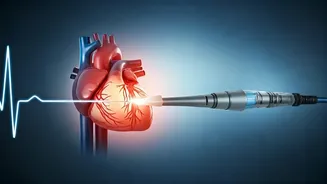
Cancer's prevalence across the human body is a significant concern, yet the heart stands out as an unusual anomaly, exhibiting an extreme rarity in developing
or spreading cancerous tumors. This observation has long puzzled researchers, suggesting that the heart's unique internal environment possesses intrinsic protective mechanisms against oncogenesis. Unlike many other organs that are susceptible to malignant transformations, the heart appears to possess a built-in resistance. Scientists have theorized that something inherent to the heart's functionality must be actively inhibiting the proliferation of cancerous cells, prompting detailed investigations into its physiological processes. The consistent lack of significant tumor development within cardiac tissue compared to virtually all other body parts necessitates a deeper understanding of the factors at play, setting the stage for this latest research endeavor. This inherent resistance points towards a compelling biological reason for the heart's remarkable cancer-free status.
Mechanical Stress at Play
A pivotal new study published in the esteemed journal Science offers a compelling explanation: the constant, intense mechanical strain from the heart's ceaseless beating and blood pumping may be the key factor suppressing cancer cell proliferation. This continuous physical exertion, necessary to circulate blood against significant resistance throughout the body, imposes a unique cellular environment. Researchers posit that this relentless work prevents heart cells from dividing as readily, a fundamental requirement for cancer to establish and grow. Furthermore, these same formidable pressures appear to create an inhospitable milieu for any rogue cancer cells attempting to infiltrate cardiac tissue. While the concept of mechanical forces influencing cell behavior was recognized, the precise mechanism by which these forces actively inhibit tumor development within the heart remained elusive until this recent breakthrough, highlighting the direct impact of physical stress on cancer suppression.
Unloading the Heart
To rigorously test their hypothesis, scientists devised an innovative transplantation model designed to meticulously reduce the heart's mechanical workload. They ingeniously transplanted a donor heart into the neck of a compatible mouse, creating a unique scenario where the organ received adequate blood flow but was effectively detached from the body's normal pumping demands, thus becoming 'mechanically unloaded.' In this distinct, low-stress environment, researchers then introduced human cancer cells directly into the heart muscle tissue. The crucial next step involved a direct comparison: analyzing tumor growth in this artificially quiescent, unloaded heart against the growth observed within the mouse's own naturally functioning, mechanically stressed heart. This experimental setup was specifically engineered to isolate and quantify the impact of mechanical load versus the absence of it on cancer cell development.
Tumor Suppression Confirmed
The results from this meticulously designed experiment provided strong, unambiguous evidence. Tumors showed consistently diminished growth across various cancer types when situated within the mechanically active, normally functioning heart. In stark contrast, when cancer cells were introduced into the 'mechanically unloaded' heart, they exhibited a significantly greater capacity to proliferate and form tumors within the cardiac tissue. This clear divergence strongly implicates mechanical stress itself as a primary, critical factor that actively hinders cancer development and progression within the heart. The study effectively demonstrated that the heart's normal, strenuous activity acts as a potent deterrent to tumor formation, directly correlating physical workload with cancer suppression in this vital organ.
The Protein's Role
Delving deeper, the research uncovered how these pervasive mechanical forces exert their influence at the cellular and genetic level. Specifically, the study identified a crucial protein, Nesprin-2, as a central player in transmitting these external mechanical signals from the cell's outer membrane all the way to its nucleus. Nesprin-2 acts as a sophisticated sensor, detecting the physical environment of the heart and subsequently modulating how the cell's genetic material is organized and accessed. This process involves altering chromatin structure and histone methylation, which are key regulators of gene activity. Consequently, genes that are essential for cancer cell multiplication and growth become significantly less active, effectively putting the brakes on uncontrolled proliferation. The mechanical environment dictates gene expression, creating an anti-cancerating cellular state.
Silencing Nesprin-2
Further investigations revealed the critical importance of Nesprin-2's function. When researchers intentionally silenced the Nesprin-2 protein within cancer cells, these cells regained their proliferative capabilities, even when placed in the mechanically robust environment of the heart. This restoration of growth potential led to the formation of tumors, underscoring Nesprin-2's indispensable role in mediating the heart's anti-cancer effects. The study elucidates that increased mechanical load amplifies Nesprin-2 signaling pathways, which in turn triggers these crucial gene regulatory changes. This intricate cascade ultimately results in the suppression of cancer cell growth, confirming that the physical demands on the heart are directly translated into biological mechanisms that prevent malignant expansion.
Therapeutic Potential
These groundbreaking findings hold immense promise for the future of cancer research and treatment. By unraveling the intricate relationship between mechanical forces and cellular behavior, scientists are paving the way for novel therapeutic strategies. The understanding that physical stimulation can actively control tumor growth opens exciting avenues for developing treatments that either mimic the heart's natural mechanical environment or harness physical forces directly to combat cancer. This could lead to entirely new classes of therapies that leverage biomechanics to inhibit or destroy cancer cells, offering hope for more effective and potentially less toxic treatments in the fight against various forms of cancer, extending beyond just cardiac malignancies.