



Vibrant Synthetic Dyes
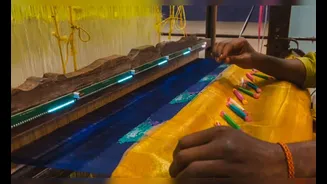
The mid-19th century marked a revolutionary shift in textile coloration with the advent of synthetic dyes. Previously, achieving brilliant shades of purple
and pink was a costly endeavor, largely restricted to the affluent. The introduction of dyes like mauveine democratized access to these vibrant hues, allowing a broader segment of society to experiment with bold and colorful attire. This newfound accessibility transformed personal wardrobes and the overall aesthetic of Victorian street fashion, moving beyond muted tones towards a more lively and expressive palette.
The Crinoline Silhouette
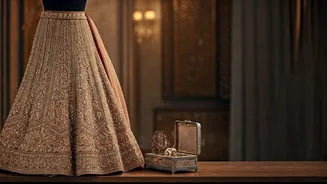
A defining feature of mid-Victorian fashion was the crinoline, a structured undergarment designed to create voluminous, bell-shaped skirts. Constructed with stiff materials such as horsehair or, later, flexible steel hoops, these petticoats provided the exaggerated silhouette that became synonymous with the era. While offering a dramatic and fashionable profile, crinolines presented significant practical challenges. Their immense size made movement cumbersome, and their proximity to open fires posed a considerable safety hazard, a constant concern for wearers.
Feathered Hat Extravaganza
Women's headwear during the Victorian period was often characterized by extravagant embellishments, with elaborate feathered hats being a prominent trend. These adornments frequently featured large, exotic feathers, and sometimes even entire preserved birds, often sourced through expanding colonial trade routes. The immense popularity of this fashion statement led to a concerning decline in the populations of certain bird species. This environmental impact eventually spurred the beginnings of early conservation movements as the consequences of unchecked fashion demands became apparent.
The Bustle's Rise
As the popularity of the crinoline began to wane, a new silhouette emerged to dominate late Victorian fashion: the bustle. Unlike the full, hoop-supported skirts of the earlier period, bustles focused on creating volume and shape at the rear of the gown. These were typically padded structures or cage-like supports worn around the waist to accentuate the posterior, giving dresses a distinct, forward-projecting profile that defined the era's latter half.
Gloves: A Social Staple
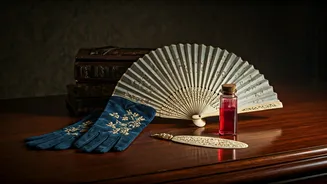
Gloves were far more than a mere accessory for both men and women; they served as crucial social signifiers, indicating refinement and adherence to societal norms. For women, wearing gloves in public was considered essential for maintaining an appearance of propriety and gentility. To venture out without them was seen as a breach of etiquette, marking the wearer as potentially uncultured or immodest, underscoring their importance in navigating the strict social codes of the time.
Fans: The Silent Language
Beyond their practical function of providing a cooling breeze, fans evolved into a sophisticated tool for subtle communication. Victorian women masterfully employed their fans to convey a range of emotions and intentions without uttering a word. This intricate system of gestures allowed for discreet expressions of romantic interest, social disinterest, or other nuanced feelings, transforming the fan into a captivating element of flirtation and social interaction within the era's elaborate etiquette.