





Testing in Extremes
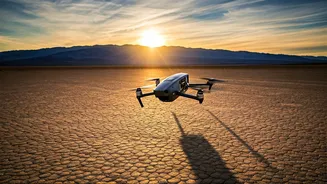
NASA chose Death Valley, a location that offers extreme environmental conditions, to put drones to the test. This area is characterized by intense heat,
vast expanses, and rugged terrains, posing significant challenges for any technology. The decision to conduct tests there was strategic, as it offered a unique opportunity to evaluate how drones would perform in such demanding circumstances. The primary goal was to assess the drones' resilience and operational capabilities under various constraints, including temperature fluctuations and potential signal interference. The testing also helped in identifying areas where the drone’s design or software might need improvements.
Why Death Valley?
Death Valley’s unique geographical features made it an ideal location for these drone tests. The harsh climate, marked by blistering heat, provided a formidable challenge for the drones' electronic components and batteries. The open terrain also allowed for long-range testing, where the drones could be assessed for their flight duration and stability over extended distances. The vastness of Death Valley also permitted NASA to simulate diverse operational scenarios, including navigation through complex air currents and the drones’ response to changing weather. Moreover, the lack of significant radio interference in the area enabled precise testing of communication and data transmission systems. The choice of Death Valley showcases a commitment to thoroughly evaluating technology under conditions that mirror the challenges faced in space exploration or remote sensing applications.
What Was Tested?
The NASA tests in Death Valley involved evaluating several critical aspects of drone technology. Researchers focused on the endurance of the drones' batteries in high temperatures, assessing how long the devices could remain operational under extreme heat. Data was collected on the drones' navigation capabilities, including their ability to maintain stable flight paths in variable wind conditions and navigate through the complex terrain. The engineers also examined the efficacy of the drones’ sensors and data collection systems, analyzing how well they performed in gathering accurate information in a challenging environment. The communication systems were another key area of investigation, with scientists monitoring the consistency and reliability of data transfer between the drones and ground control. The overall testing aimed to identify any weaknesses in the drones’ design and to refine their performance characteristics for future missions.
Impact and Future
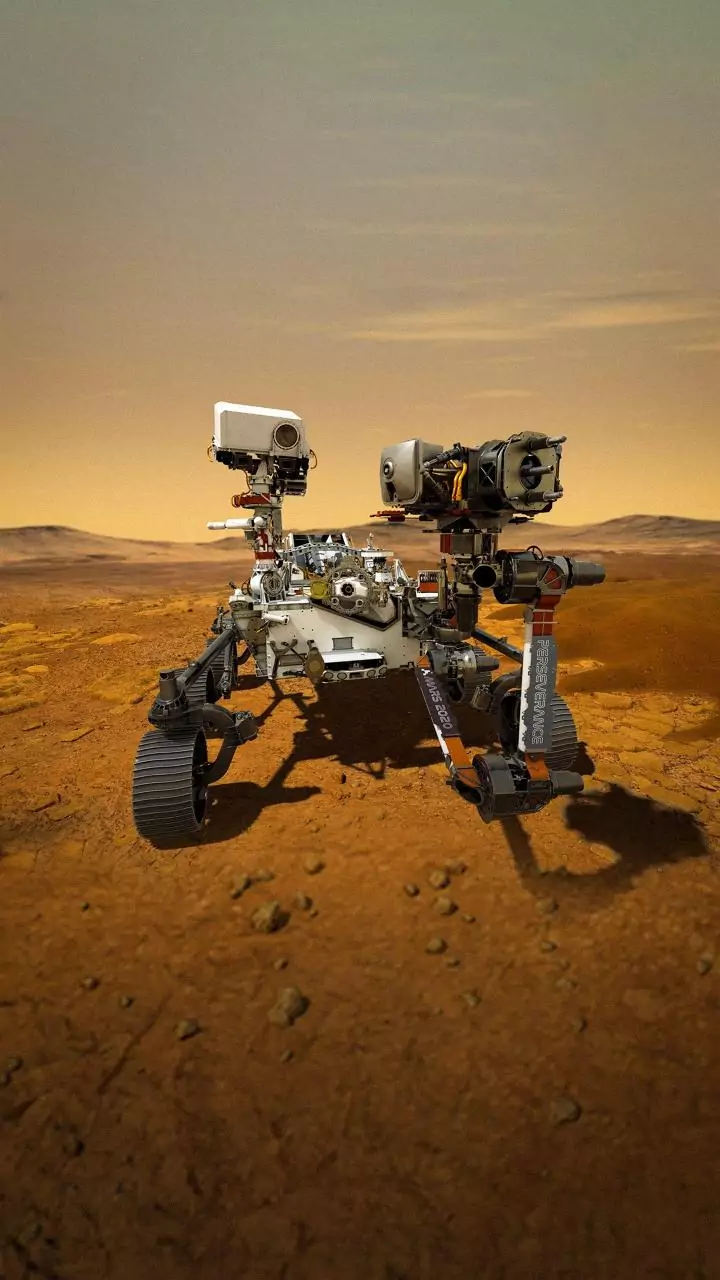
The findings from the drone tests in Death Valley have significant implications for future technological advancements, primarily in the fields of aerospace and exploration. The data collected provides invaluable insights into the design of more robust and reliable drones, capable of withstanding extreme conditions. This knowledge can improve the performance of drones in future missions, like those in space or environments like Mars, and optimize their use in remote sensing, environmental monitoring, and search and rescue operations. By evaluating the performance of drone technology in extreme environments, NASA is laying the groundwork for more ambitious and successful endeavors. The data will also contribute to improvements in drone safety standards, battery technology, and communication systems.