



Island Origins Unveiled
Mumbai, today a sprawling metropolis, had its genesis in a collection of seven islands. These islands—Bombay, Colaba, Old Woman's Island, Mahim, Mazagaon,
Parel, and Worli—existed independently. Over centuries, through a combination of human intervention and natural processes, these islands gradually coalesced. The initial inhabitants of these islands were communities of fishermen, who primarily relied on the sea for their livelihoods. Their lives were closely tied to the coastal environment, and their culture and traditions were shaped by the marine resources and the rhythms of the sea. The geography of the islands determined patterns of settlement, economic activities, and the social structures of the early inhabitants. The formation of the city we know today reflects an interplay of geographical challenges and opportunities, and the resilience of its people.
Dutch and British Influence
The history of Mumbai took a significant turn with the arrival of European powers, particularly the Dutch and the British. The Portuguese controlled the islands first, but they later ceded them to the British Crown as part of a marriage dowry. This shift marked a crucial phase in Mumbai's development. The British East India Company recognized the strategic and economic potential of Mumbai. They set about developing it as a major trading port. The British introduced new infrastructure, improved harbor facilities, and implemented administrative systems to facilitate trade and governance. This led to increased economic activity, drawing in migrants from various parts of India. They came in search of opportunities, adding to the city's diverse cultural mix. The growth under British rule laid the foundations for Mumbai’s rise as a commercial and financial hub.
Merging the Islands
The transformation from seven distinct islands to a unified city involved a series of strategic engineering projects. The most significant among these were land reclamation efforts. The British, keen to expand the city's landmass and connect the islands, initiated ambitious projects to fill in the low-lying areas between them. These projects included the construction of causeways and bridges, which physically linked the islands. The Hornby Vellard project, for example, was one of the earliest major projects, aimed at preventing flooding and connecting the islands more effectively. As these reclamation projects progressed, the physical boundaries between the islands blurred. Land was created, roads were built, and the islands became more integrated. This integration facilitated ease of movement, trade, and ultimately, the formation of a single, cohesive urban center.
A Thriving Metropolis Emerges
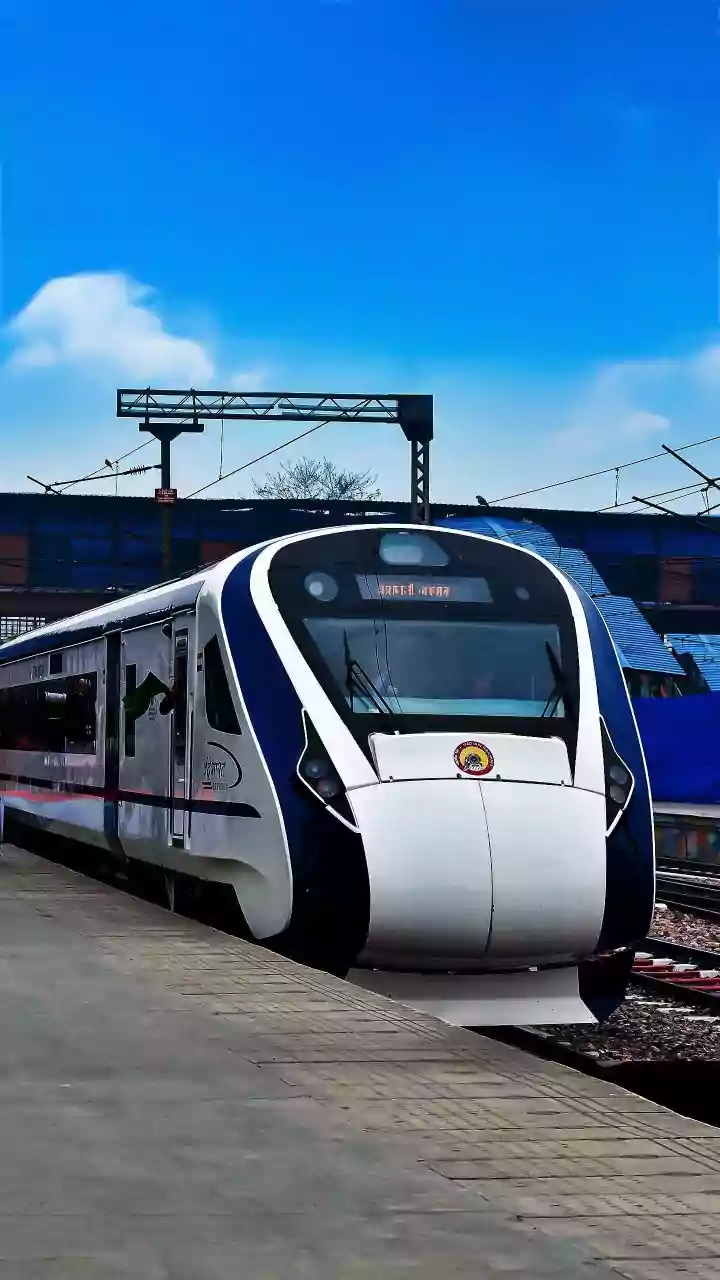
As Mumbai's geography changed, so did its character and role within India. The development of infrastructure played a key part in the city's progress. The expansion of the railway network facilitated trade, the movement of people, and the integration of the city with the rest of India. The construction of factories, warehouses, and commercial buildings transformed the cityscape. The city’s population swelled as people from all over the country migrated in search of jobs and opportunities. This wave of migration brought diverse cultures, languages, and traditions to Mumbai, making it a melting pot of India. It also played a crucial role in the freedom struggle. Mumbai evolved into a major center for political activity, and it became a vital site for resistance against colonial rule. The city's growth continued post-independence, cementing its position as a global city.
Legacy and Modern Mumbai
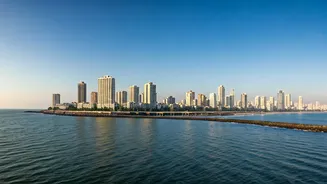
The legacy of Mumbai's island origins is still visible today, from the names of neighborhoods to the city's coastal geography. The city's unique history has deeply shaped its culture, architecture, and identity. Modern Mumbai is characterized by a vibrant mix of old and new. Historical landmarks, colonial-era buildings, and traditional markets coexist with modern skyscrapers, shopping malls, and advanced infrastructure. The city's connectivity and economic power attract people from every part of the globe. Mumbai remains a city of dreams. It’s a dynamic hub that is constantly changing. It reflects the resilience and adaptability of its people. The city’s evolution from seven islands to a global metropolis is a remarkable story, still ongoing, constantly writing new chapters.