







Understanding Insulin Resistance
Many individuals diagnosed with Type 2 diabetes initially produce insulin, but their bodies struggle to utilize it effectively. This phenomenon, known
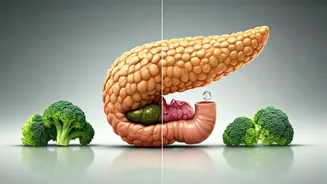
as insulin resistance, means that even with adequate insulin production, glucose doesn't efficiently enter cells for energy, leading to elevated blood sugar levels. Fortunately, through strategic lifestyle interventions such as adopting a well-balanced diet, engaging in consistent physical activity, and managing body weight, the body's sensitivity to insulin can be significantly improved. These concerted efforts enable cells to absorb glucose more readily, thereby facilitating better blood sugar regulation without the necessity of external medication. The focus here is on empowering the body to reclaim its natural ability to process sugar, promoting sustained well-being and preventing the cascade of complications associated with uncontrolled hyperglycemia.
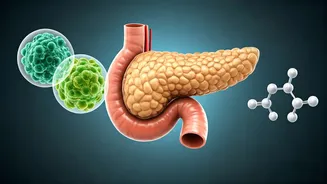
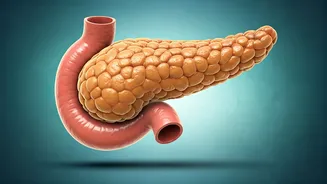
Pancreas Function and Decline
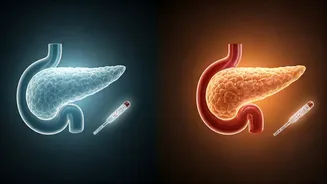
Over time, the pancreas, the organ responsible for manufacturing insulin, can experience a decline in its insulin-producing capacity. For some individuals, this deterioration happens more rapidly, diminishing their body's ability to generate sufficient insulin. When the pancreas can no longer compensate, lifestyle adjustments alone may prove insufficient in maintaining healthy glucose concentrations. In such scenarios, the introduction of insulin therapy or other pharmaceutical interventions becomes essential to effectively manage blood sugar levels. This transition isn't a sign of failure but rather an adaptation to the body's evolving needs, ensuring continued health and preventing long-term damage from persistently high blood sugar.
Influencing Factors on Treatment
Several key factors contribute to the differing treatment pathways for Type 2 diabetes. The duration of the diagnosis is a significant consideration; the longer someone has lived with diabetes, the greater the likelihood of a reduced insulin production capacity. Furthermore, an individual's genetic predisposition, the age at which they were diagnosed, their current body weight, and their overall metabolic health all play a crucial role in determining the most appropriate course of action. For instance, a person diagnosed at a younger age or with exceptionally high blood sugar levels at the outset might necessitate earlier medical intervention, potentially including insulin, to achieve optimal control and prevent immediate complications. These elements collectively shape the personalized approach to diabetes management.
Insulin: A Management Tool
It's vital to dispel the misconception that requiring insulin signifies a severe or poorly managed condition. Many harbor the belief that insulin is a last resort, indicating a failure in personal management. In reality, insulin is simply another effective tool in the arsenal for controlling blood sugar levels, much like diet and exercise. Diabetes is often a progressive illness, and treatment strategies frequently need to evolve over time to meet the body's changing requirements. The ultimate aim, regardless of the specific management approach, remains constant: achieving stable blood sugar levels and safeguarding against diabetes-related complications. Thus, whether managed through lifestyle alone or supplemented with insulin, consistent monitoring, a balanced diet, regular physical activity, and professional medical advice are indispensable for maintaining long-term health and a good quality of life.