




The Diet-Eczema Connection
Eczema, or atopic dermatitis, is a chronic skin inflammation for which there isn't a single definitive diet. While food doesn't typically cause eczema,
it can significantly impact flare-ups, particularly if you have underlying sensitivities or allergies. The effectiveness of dietary changes varies greatly from person to person, emphasizing the importance of personalized dietary patterns over strict, universal rules. The primary focus of dietary recommendations for eczema revolves around mitigating inflammatory responses within the body. Research indicates that certain foods can act as triggers for sensitive individuals, leading to symptom aggravation. Conversely, diets rich in processed ingredients and high in sugar are often associated with increased inflammation, potentially worsening the condition. This understanding underscores that managing eczema through diet is about identifying personal triggers and adopting an anti-inflammatory eating approach rather than adhering to a restrictive, one-size-fits-all plan.
Understanding Eczema Types
Eczema encompasses a spectrum of skin disorders, and the role of food can subtly differ among them. Atopic dermatitis, the most prevalent form, often coexists with allergies, meaning foods like dairy, eggs, nuts, or wheat can precipitate outbreaks in susceptible individuals. For dyshidrotic eczema, characterized by small blisters typically on the hands, dietary exposure to metals like nickel or cobalt might be an aggravating factor. Contact dermatitis, usually triggered by external irritants, may see its symptoms amplified by certain ingested allergens, though this is less common. Seborrhoeic dermatitis, affecting the scalp and oily regions, shows weaker direct dietary links, yet consuming highly processed or sugary foods can still contribute to generalized inflammation. It's crucial to remember that food itself is not the root cause of eczema but can contribute to symptom severity when specific triggers are present or when the overall diet promotes inflammation.
Embracing Anti-Inflammatory Eating
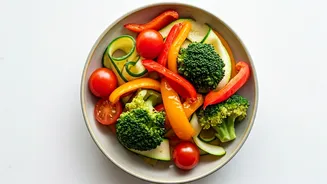
Adopting an anti-inflammatory eating style is highly beneficial for managing inflammatory skin conditions like eczema and psoriasis. This approach emphasizes choosing nutrient-dense, whole foods more frequently rather than focusing on severe restrictions. Key components to limit include red meat, refined flour products (such as those made with maida), and added sugars, as these can contribute to internal inflammation. Conversely, increasing your intake of vegetables, lean proteins, fish, and unprocessed whole foods is recommended. This dietary pattern not only supports skin health but also contributes to better weight management and overall well-being. By prioritizing foods with anti-inflammatory properties, you create a supportive internal environment that can help calm the inflammatory processes associated with eczema, leading to potentially clearer and healthier skin.
The Mediterranean Diet Adapted
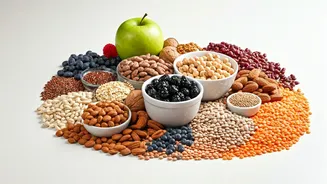
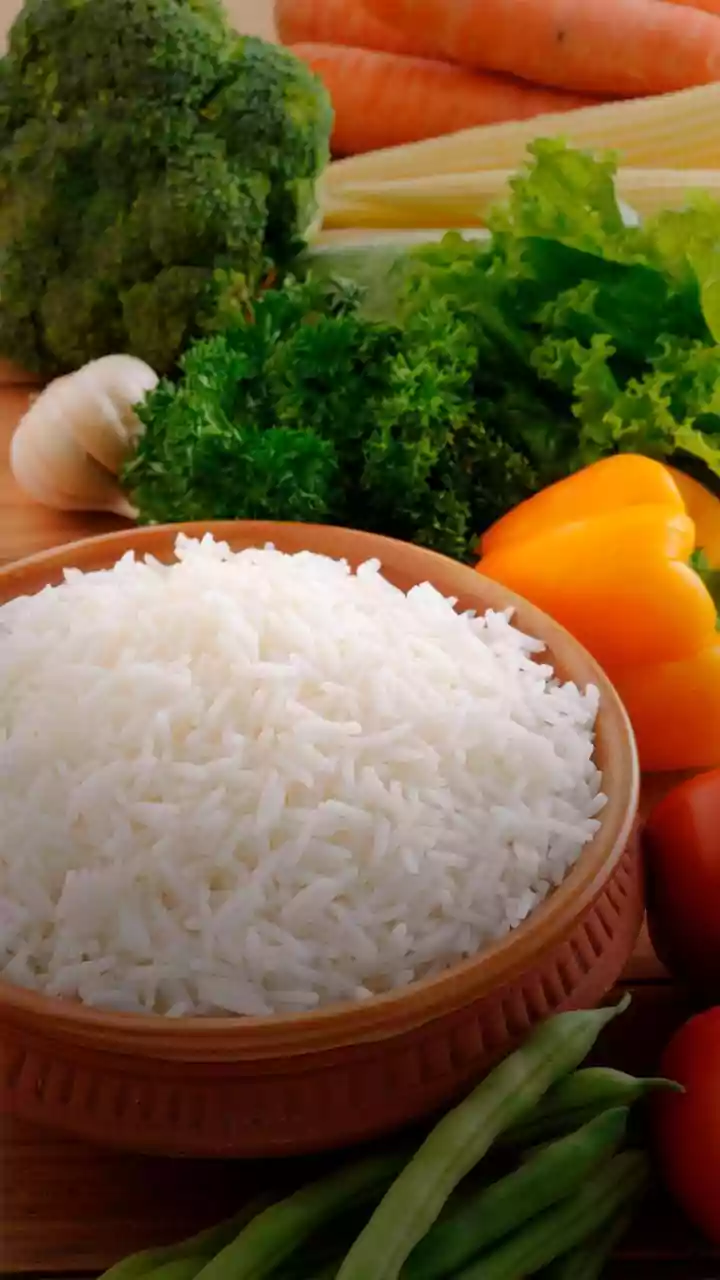
The Mediterranean diet is widely acclaimed for its anti-inflammatory benefits and can be adapted to suit Indian culinary preferences. This diet predominantly features plant-based foods, including abundant vegetables, whole grains, and legumes. It also incorporates fish and healthy fats, such as olive oil, alongside nuts for protein. Adapting it for Indian meals means focusing on dishes like vegetable-rich sabzis prepared with minimal oil, or serving dal with whole grains like brown rice or millets such as ragi and jowar. Opting for grilled or lightly spiced fish, like mackerel or sardines, and including a small portion of nuts like almonds or walnuts are also excellent choices. The core principle is to increase plant-based foods, select superior fats, and significantly reduce the consumption of processed items for an overall healthier eating pattern.
Nourishing Foods for Skin
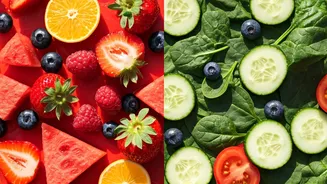
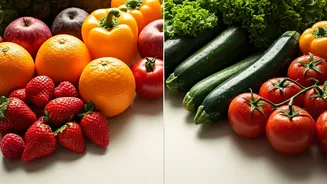
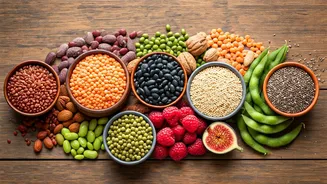
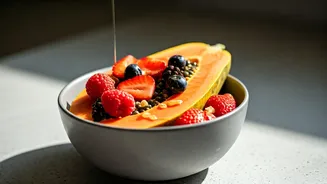
Building a diet around accessible and nourishing foods is more effective than focusing solely on restrictions. Incorporate fresh fruits like papaya, guava, and oranges, along with vegetables such as spinach, carrots, beetroot, and bottle gourd, which are rich in antioxidants vital for skin barrier support. Essential healthy fats can be obtained from fatty fish like Indian mackerel, flaxseeds, and walnuts, all excellent sources of anti-inflammatory omega-3 fatty acids. For gut health, which influences immune function, include probiotic-rich foods such as curd (dahi), buttermilk (chaas), and fermented batters like idli and dosa. Whole grains like brown rice and millets (ragi, bajra, jowar), and pulses like moong dal and masoor dal provide fiber and nutrients without causing significant blood sugar spikes. These everyday foods contribute to overall health and can support your skin's resilience.
Foods to Monitor Closely
While focusing on beneficial foods is key, it's also important to be aware of potential triggers, especially if you have eczema. Foods that are commonly reported to cause flare-ups in sensitive individuals include dairy products, eggs, nuts, seafood, and gluten. Additionally, it is advisable to limit your intake of less healthy options such as packaged snacks, sugary drinks, and bakery items, as these often contain processed ingredients and added sugars that can promote inflammation. The critical aspect here is personalization; these foods are only worth watching if they are identified as personal triggers through observation or consultation. Avoiding unnecessary self-imposed restrictions and working with a healthcare professional are crucial steps before making significant dietary changes, ensuring nutritional balance is maintained.