



Oman: Desert & Coast
March presents an excellent opportunity to explore Oman, where the weather is pleasantly warm, ideal for a variety of outdoor pursuits. In the capital
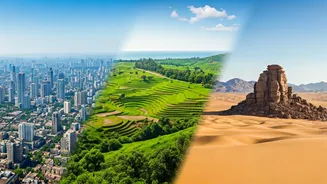
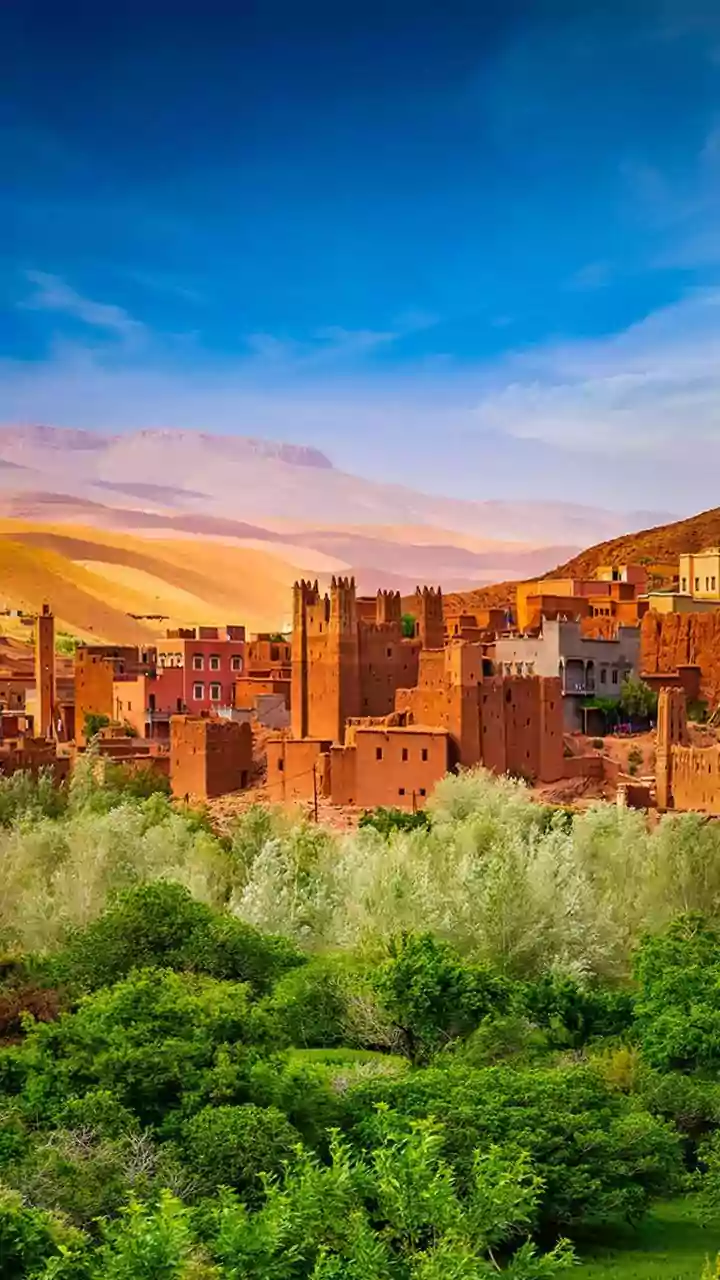
city of Muscat, the sea's temperature becomes perfect for dolphin-watching expeditions and kayaking adventures. Early mornings are especially suited for leisurely heritage walks through historic Old Muscat and along the picturesque harbour before the midday heat sets in. The bustling Muttrah fish market offers a vibrant glimpse into local coastal life, complementing any souq exploration. Venturing into the Hajar Mountains reveals Jebel Akhdar at the peak of its rose season, a unique time when villages burst into bloom and small-scale distilleries produce fragrant rosewater, a traditional Omani craft. For those seeking cooler climes and dramatic vistas, Jebel Shams provides an ideal location for hikes along the edge of the "Grand Canyon of Arabia," offering clear views and fewer crowds than during the summer months. The coastal areas witness the beginning of turtle nesting season at Ras Al Jinz, while the Daymaniyat Islands remain superb for snorkelling before the arrival of summer currents. Further south, Salalah is in its serene shoulder season, boasting long, secluded beaches, diverse birdlife during migration, and tranquil conditions for scenic drives along its dramatic coastlines.
Nepal: Mountains & Culture
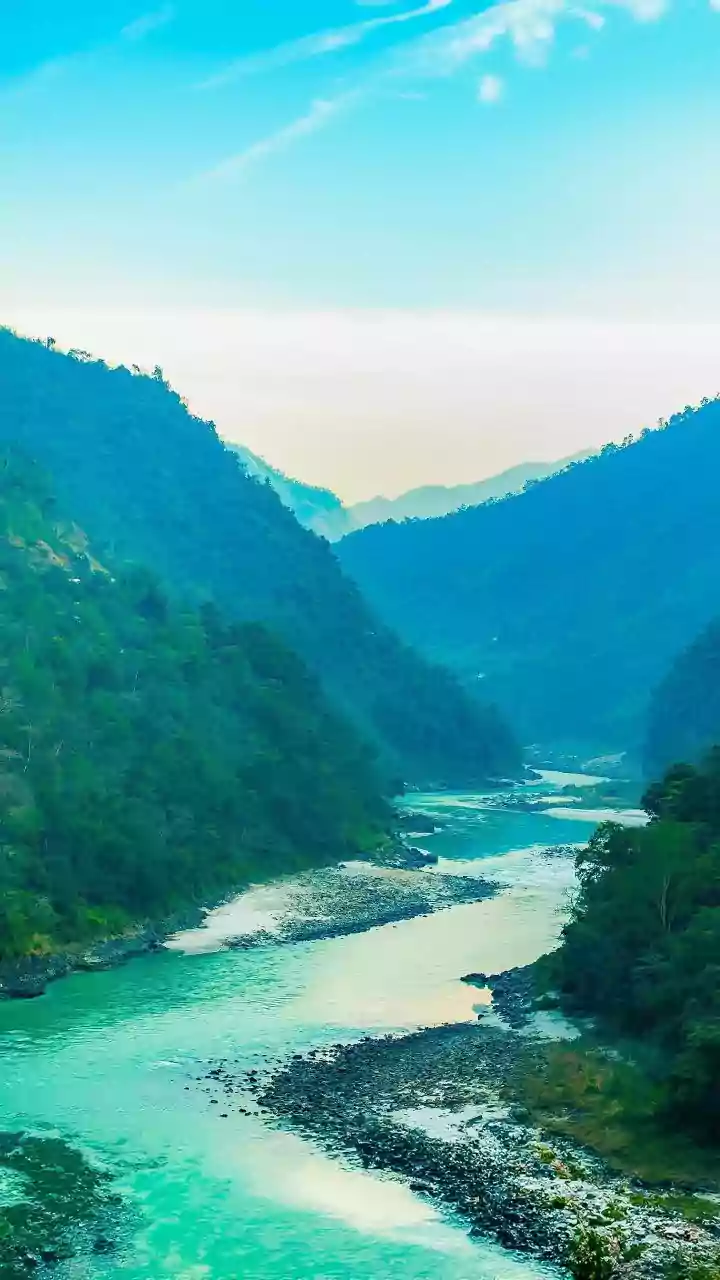
Nepal shines in March, offering delightful weather perfect for cultural immersion and moderate trekking. The Kathmandu Valley is ideal for unhurried exploration of its numerous temples and heritage sites; imagine peaceful early morning strolls along the Bagmati River near Pashupatinath or wandering through the quiet courtyards of Bhaktapur, where traditional pottery squares and intricately carved wooden windows create a captivating atmosphere. This month is also prime time for shorter treks at lower altitudes, as the trails are dry and local villages come alive after the winter. Routes in the Annapurna foothills and the Helambu region are adorned with blooming trees, and clear mornings frequently reveal stunning mountain panoramas. In Pokhara, conditions for paragliding improve significantly, and lakeside cafes buzz with trekkers and travellers easing into the new season. Down in the Terai lowlands, Bardia and Chitwan National Parks enter a drier period, which enhances wildlife viewing opportunities as animals congregate near diminishing water sources. This is an excellent window to spot creatures like the one-horned rhinoceros and various deer and bird species. Furthermore, March often includes the vibrant festival of Holi, transforming cities and towns into a kaleidoscope of colour, music, and joyous water fights, adding a lively and authentic local rhythm to any visit.
Thailand: Beaches & City
Thailand beckons in March with a mix of vibrant city life and excellent coastal conditions. Bangkok is best explored in the early mornings, perfect for leisurely canal journeys and visits to floating markets before the heat intensifies. Afternoons can be comfortably spent in air-conditioned museums, exploring trendy cafes in creative districts like Talad Noi and Ari, or embarking on late-night culinary adventures through the bustling streets of Yaowarat and Bang Rak. Along the Andaman coast, March represents one of the final months offering peak underwater visibility for diving and snorkelling. The waters surrounding the Similan and Surin Islands are exceptionally clear, and conditions are calm in popular areas like Krabi and Phuket. On the Gulf side, Koh Tao remains a favoured destination for snorkelling and introductory diving courses, while Koh Phangan and Koh Samui offer more tranquil beach experiences prior to the peak summer season. In the northern regions, March marks the closing stages of the cooler season in Chiang Mai and Chiang Rai, making it a favourable time for excursions to coffee plantations, visits to picturesque waterfalls, and leisurely cycling rides through picturesque rural landscapes.