


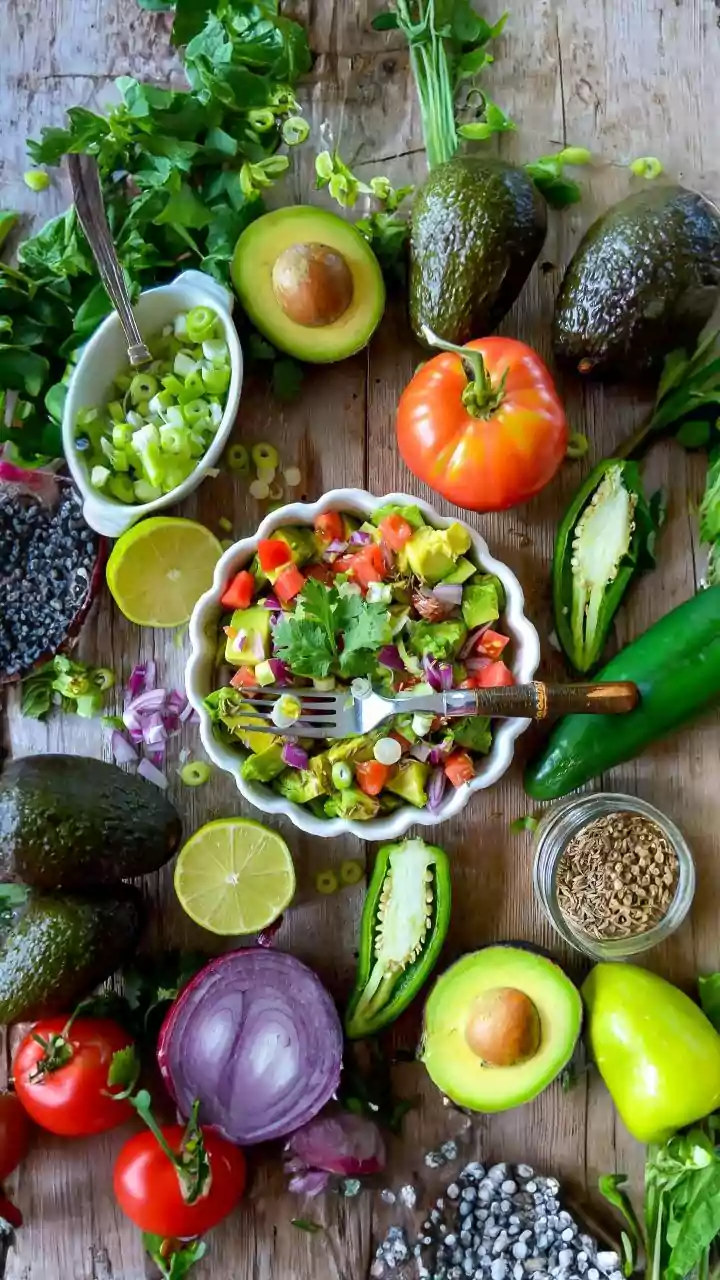




Fibre-First Approach
Kickstarting your festive meals with a fibre-rich strategy is a clever way to stay in control. By focusing on high-fibre foods before indulging in other
dishes, you naturally moderate your food intake. Think about it: a generous portion of salad, a bowl of vegetable soup, or some whole-grain crackers will help you feel fuller faster. Fibre-rich foods, unlike refined carbohydrates, take longer to digest. This slower digestion contributes to feeling satisfied and helps you avoid overeating. Therefore, by beginning with fibre, you're essentially setting the stage for smart eating, making it easier to enjoy the celebrations without compromising your health goals. This approach encourages a proactive method to food consumption and helps with the control of calorie intake.
The 'Dessert Plate' Visual
A clever trick to maintain control over your portion sizes involves using a smaller plate, often referred to as the 'dessert plate' method. This strategy involves using a smaller plate size to serve your meals during the festivities. Because a smaller plate accommodates less food, you automatically manage your intake without feeling deprived. It's a simple yet effective way to visually trick your mind into thinking you're having a full meal, even if the portion is smaller than usual. Using the 'dessert plate' method is especially useful at buffets or gatherings where temptations abound. This approach is an effortless visual cue that aids in controlling portion sizes, leading to a more mindful approach to eating and, subsequently, a reduction in the chances of excessive calorie consumption.
Mindful '20' Rule
Implementing the 'Mindful 20' rule is a simple yet powerful strategy to manage your eating habits. The core idea is to allocate at least 20 minutes to enjoy your meal. This allows your brain enough time to recognize signals of fullness from your stomach. When you eat quickly, the brain doesn't receive the 'I'm full' signal immediately, which can lead to overeating. Eating slowly provides your body with the opportunity to register satiety, naturally curbing your desire to consume more. Chew each bite thoroughly, savoring the flavors and textures of the food. By practicing mindful eating, you can transform the way you interact with food, resulting in better control over your appetite and making it easier to maintain a healthy weight. This method encourages you to be present while you eat, rather than mindlessly consuming food.
1:1 Rule of Liquids
The 1:1 rule encourages balanced hydration to help with weight management during the festive season. The approach is simple: for every alcoholic beverage you consume, pair it with a glass of water. Alcohol can often lead to dehydration, which can confuse the body's signals of hunger and thirst. Dehydration can sometimes be misinterpreted as hunger, leading to overeating. Furthermore, water helps fill you up, reducing the temptation to reach for extra snacks. By drinking a glass of water for every alcoholic drink, you counteract the dehydrating effects of alcohol, stay better hydrated, and potentially decrease the amount of unhealthy snacks consumed. This method fosters a more mindful approach to drinking and snacking, promoting overall wellness during the festivities.
Smart Desi Swaps
Making smart, 'Desi' food swaps can help you enjoy your favorite festive dishes while managing your calorie intake. Think of swapping high-calorie ingredients for healthier options. For instance, replace ghee or butter with a healthier oil like olive oil when cooking. Opt for lean meats over fatty ones, and consider dishes that are baked or steamed instead of fried. When it comes to sweets, consider portion control. Instead of completely avoiding treats, enjoy them in moderation. Incorporating high-fiber foods into your diet, like vegetables and lentils, will add volume to your meals, keeping you full for a longer time. By making these smart adjustments, you can relish the delicious flavors of festive meals without compromising your health goals. This approach encourages a conscious dietary change towards healthier alternatives.
Prioritize Exercise Regimen
Regular exercise is crucial for maintaining your health, especially when you're likely to indulge in festive treats. It helps burn extra calories and boosts your metabolism. Even short bursts of physical activity can make a difference. Aim for at least 30 minutes of moderate-intensity exercise, such as brisk walking, dancing, or cycling, most days of the week. Incorporate exercises you enjoy to stay motivated. Consistent exercise can also help regulate your mood and reduce stress, which might be a factor for overeating. By prioritizing a practical exercise regimen, you increase your body's ability to handle the additional calories consumed during the festive season. Regular movement is essential for maintaining a healthy weight and overall wellness during celebrations and beyond. This approach advocates for establishing exercise as a non-negotiable part of your routine.