




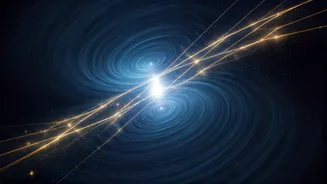

Geminids' Celestial Spectacle
The Geminid meteor shower, known as one of the most remarkable shooting star events of the year, is caused by the Earth passing through the debris trail
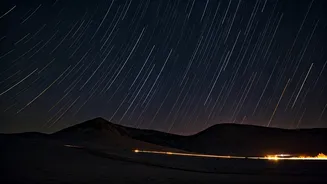
of the asteroid 3200 Phaeton. This fascinating celestial event produces a high number of meteors, with the peak often offering viewers a dazzling display. This radiant occurs when Earth moves through the debris left by the asteroid 3200 Phaeton, resulting in numerous meteors visible streaking across the night sky. The peak of this shower is highly anticipated, providing skywatchers with an opportunity to witness a visual feast of shooting stars. The annual Geminid meteor shower, active throughout December, becomes most prominent during its peak. During this time, the sky can fill with up to 100 or more meteors per hour under ideal viewing conditions, making it an excellent experience for both amateur and experienced stargazers. This event is a reminder of the dynamic nature of our solar system and the beauty it offers.
Preparing for the Show
To maximize your viewing pleasure of the Geminid meteor shower, preparation is key. The best viewing conditions are typically found in areas with minimal light pollution and a clear view of the night sky. Finding a location away from city lights, with an unobstructed view of the sky, is crucial. This will enable you to see fainter meteors and increase your chances of witnessing a spectacular display. The naked eye is often the best instrument for viewing the meteor shower as binoculars or telescopes have a narrow field of view. Allow your eyes approximately 30 minutes to adjust to the darkness. This will greatly improve your ability to see the meteors. Comfort is also important, so find a comfortable spot where you can lie down and gaze upwards. It could be a blanket or a reclining chair. Dress warmly, especially if viewing in the late evening or early morning, as temperatures can drop significantly. Patience is also a virtue. While the peak offers a high rate of meteors, the show might not start immediately. Take your time, enjoy the quiet, and be prepared to wait. This combination of strategies will help you enjoy the Geminid meteor shower.
What to Expect
During the peak of the Geminid meteor shower, viewers can typically expect a dazzling display of shooting stars streaking across the night sky. The radiant of the shower, from which the meteors appear to originate, is near the constellation Gemini, which gives the event its name. The meteors themselves are caused by the Earth passing through the debris trail of the asteroid 3200 Phaeton. This produces a stunning spectacle as these pieces of space rock burn up in our atmosphere. Under ideal viewing conditions, sky watchers might observe upwards of 100 meteors per hour. The Geminids are known for producing bright, colorful meteors, so viewers can anticipate seeing a range of visual effects. The peak viewing time is usually late at night and into the early morning hours, so it's a good idea to stay up late or set an alarm. While the exact number of meteors seen varies based on conditions, the Geminids are usually a good bet for a strong show. This event provides a fantastic opportunity to see celestial wonders and experience the beauty of the universe.
Viewing from Home
You don't necessarily need to travel far to enjoy the Geminid meteor shower. You can watch this spectacular event from the convenience of your own home, with the right preparation. First, find a location with a clear view of the sky, such as a backyard, a balcony, or a rooftop. The less light pollution, the better, so avoid areas with streetlights or bright signs. Ensure you have a comfortable spot to lie down and look up at the sky. A blanket, a reclining chair, or even a simple mat will work. Give your eyes time to adapt to the darkness for about 30 minutes before starting to view. During this time, the pupils dilate, making it possible to see more. Make sure you dress warmly. Nighttime temperatures can be unexpectedly low, especially during winter. So wear layers and bring a warm beverage to keep cozy. The best time to view is typically after midnight and before dawn. This is when the radiant point of the shower is highest in the sky. Make an enjoyable experience by inviting friends or family to join you, and share the wonder of the meteor shower.
Meteor Shower Origins
The Geminid meteor shower has a unique origin, quite different from most other meteor showers. The meteors are not the result of a comet, but rather originate from the asteroid 3200 Phaeton. This unusual space rock is classified as a 'rock comet' because it has properties of both asteroids and comets. It orbits the sun like an asteroid but displays activity like a comet when it gets close to the sun. As 3200 Phaeton approaches the sun, it releases dust and debris, which form the material for the meteor shower when Earth passes through it. This debris trail creates the beautiful streaks of light we see as meteors. Understanding the origin of the Geminids sheds light on how diverse our solar system is. The Geminid meteor shower's link to 3200 Phaeton gives us insights into how celestial bodies and their trails can create such stunning astronomical events.
Tips for Viewing
To fully appreciate the Geminid meteor shower, keep in mind several tips to enhance your viewing experience. Minimize light pollution by selecting a viewing location away from city lights, if possible. If you are viewing from an urban area, position yourself in a place shielded from direct light sources. Use your naked eyes to view the shower as telescopes and binoculars typically have a very narrow field of view. Allow your eyes to adjust to the darkness for at least 30 minutes before beginning to watch the sky. This will increase your chances of seeing fainter meteors. Dress warmly, since the best viewing times are usually during the late evening and early morning. Prepare to be comfortable. Use a reclining chair, blanket, or other seating that lets you to gaze upward comfortably. Be patient and give yourself plenty of time, the meteor shower might not be active every minute, and the best shows can take some time to unfold. With proper planning, you can significantly enhance your chances of witnessing the grandeur of the Geminid meteor shower.