
Til Ladoo: Sweet Beginnings
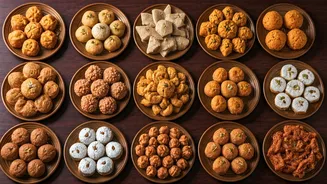
Til Ladoo, a quintessential Makar Sankranti treat, is made from sesame seeds (til) and jaggery (gud). The combination of these ingredients is believed
to bring warmth to the body during the winter season. Sesame seeds are roasted until they turn golden, and then mixed with melted jaggery and shaped into small, round ladoos. The preparation usually involves a bit of patience, ensuring the jaggery reaches the right consistency for binding. Til Ladoos are not just a festive sweet but also a symbol of good luck and prosperity for the year ahead. They are often shared amongst family and friends, spreading joy and the message, 'til-gul ghya, aani god god bola,' which translates to 'eat sesame seeds and jaggery, and speak sweetly.' The simple ingredients and ease of making makes it a popular food during the festival.
Moong Dal Khichdi: Hearty Delight
Moong Dal Khichdi is a comforting and nutritious dish that holds a special place in Makar Sankranti celebrations. It is a one-pot meal made with moong dal (split yellow lentils), rice, and a blend of aromatic spices. The preparation typically involves sautéing the spices in ghee or oil, then adding the lentils and rice, and cooking everything together until it reaches a soft, porridge-like consistency. It's often garnished with ghee and served hot, making it a wholesome meal. Khichdi's simple yet satisfying nature makes it perfect for the festival, offering a balance of flavors and textures. It is known for its light and easily digestible qualities, making it a good choice for people of all ages to enjoy during the festive season of Makar Sankranti.
Undhiyu: Gujarati Specialty
Undhiyu is a traditional Gujarati mixed vegetable dish, which is a highlight of Makar Sankranti celebrations, particularly in Gujarat. It is made by cooking various seasonal vegetables, such as potatoes, eggplants, beans, and root vegetables, along with herbs and spices. The vegetables are cooked upside down in earthen pots, giving the dish its name (undhu means upside down). The slow-cooking process allows the flavors to meld together, creating a rich and aromatic experience. Undhiyu is often served with hot puris and jalebis, making it a complete and satisfying meal. The labor-intensive nature of preparing undhiyu makes it a festive treat and a symbol of community and shared effort during the festival.
Puran Poli: Sweet Flatbread
Puran Poli is a sweet flatbread that is a significant part of the culinary traditions of Maharashtra and other regions during Makar Sankranti. It is made from a dough that is stuffed with a sweet filling of chana dal (split chickpeas), jaggery, and spices like cardamom and nutmeg. The stuffing is cooked until it becomes a thick paste, and then it is encased in the dough and rolled out into a thin flatbread. Puran Poli is cooked on a griddle with ghee until golden brown. It is a symbol of prosperity and is often offered to the gods before being consumed. Puran Poli is best enjoyed with ghee and a side of kadhi, offering a complete and flavorful meal.
Gajak: Sesame Crunch
Gajak is a brittle sweet made from sesame seeds and jaggery or sugar, a popular treat during the winter months, and especially during Makar Sankranti. The sesame seeds are roasted until they become fragrant and then mixed with melted jaggery or sugar, which is then spread and cut into pieces. The crunchy texture and sweet flavor make gajak an irresistible snack. It is easy to carry and share, making it perfect for the festive season when people are often visiting each other. Gajak symbolizes the sweetness that should be maintained in relationships throughout the year and is a simple yet delightful way to celebrate Makar Sankranti.
Chikki: Peanut Goodness
Chikki is another popular sweet enjoyed during Makar Sankranti, especially in the Western parts of India. It is made from peanuts and jaggery. The peanuts are roasted and mixed with melted jaggery, which is then flattened and cut into bars. Chikki is a nutritious snack and a good source of energy, making it a favorite during the winter months. The process is straightforward, but achieving the right consistency requires precision, so the chikki remains crunchy and holds its shape. Chikki is not just a sweet treat but also a source of protein and essential nutrients, thus making it a healthier option.
Gur ki Roti: Jaggery Flatbread
Gur ki Roti, or jaggery flatbread, is a simple yet flavorful dish prepared during Makar Sankranti. It involves making a dough from wheat flour and then stuffing it with jaggery. The dough is then rolled out into a flatbread and cooked on a griddle. It is often drizzled with ghee. The warmth of jaggery is believed to be beneficial during winter, and hence it is included in many Makar Sankranti dishes. The simplicity of Gur ki Roti makes it a quick and easy treat to make, and its sweet, earthy flavor makes it a favorite among all age groups. This food celebrates the bounty of the harvest and the sweetness of life.
Pitha: Rice Flour Delight
Pitha is a traditional sweet or savory dish, especially popular in eastern India during Makar Sankranti. It is generally made with rice flour and can be prepared in various ways: steamed, fried, or baked. The fillings vary depending on regional preferences and can include coconut, jaggery, sesame seeds, and lentils. The texture of the pitha can range from soft and delicate to crispy, depending on the preparation method. Pitha is an integral part of the festival celebrations and represents the diverse culinary heritage of different regions. The varied types of pithas that are made and consumed during the festival signifies community participation and sharing.
Payasam: Creamy Sweet
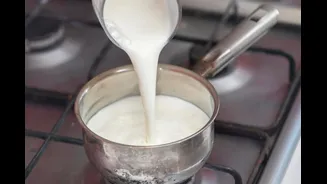
Payasam, a creamy and sweet dessert, is a staple during Makar Sankranti celebrations in South India. It is made with milk, rice (or vermicelli), sugar or jaggery, and often flavored with cardamom, nuts, and raisins. The rice or vermicelli is cooked in milk until it thickens, and then the sweeteners and flavorings are added. Payasam is a symbol of auspiciousness and is often offered to the gods before being shared. The warmth of the milk and the richness of the ingredients make it a comforting treat during the winter months. Its creamy texture and sweet flavor make it an irresistible finale to a festive meal.
Dahi Chura: Simple Treat
Dahi Chura is a simple yet satisfying dish often prepared and consumed during Makar Sankranti in Bihar and neighboring regions. It is made with flattened rice (chura) mixed with yogurt (dahi) and often sweetened with jaggery or sugar. This simple combination is a perfect blend of textures and flavors – the soft, creamy yogurt, the slightly crunchy chura, and the sweet jaggery. Dahi Chura is a quick and easy-to-prepare dish, making it a favorite for breakfast or a light meal during the festival. It is symbolic of a fresh start and is often shared among family and friends as part of the Makar Sankranti celebrations.