






Protein's Partner: The Carb Connection
While protein is vital for building and repairing tissues, consuming it in isolation can leave your body lacking essential fuel. Carbohydrates are not
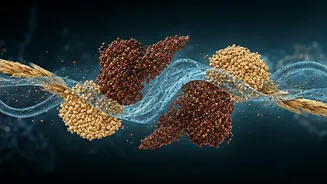
just an energy source; they play a critical role in how effectively your body utilizes protein. For instance, many plant-based protein sources, like lentils, are incomplete on their own. They require pairing with cereals to provide a full spectrum of amino acids, transforming them into a 'complete' protein. Without adequate carbohydrates, your body is forced to find alternative energy sources. Initially, this might involve burning fat, which can lead to the uncomfortable symptoms of 'keto flu'—fatigue, headaches, irritability, and brain fog—as your body adjusts to this metabolic shift.
Fueling the Body Efficiently
When you focus solely on protein, your body misses out on the primary fuel it craves: glucose. This deficiency can trigger a cascade of effects, including the aforementioned transition to burning fat for energy. This metabolic switch, while potentially useful for weight loss due to protein's satiating nature and higher thermic effect (meaning your body burns more calories digesting it), isn't always sustainable or comfortable without proper balance. The key takeaway is that combining protein with healthy carbohydrates and fats helps to regulate blood sugar levels, preventing sharp spikes and crashes. This synergy ensures you feel fuller for longer and maintain consistent energy throughout the day, making your high-protein efforts far more effective and sustainable for long-term health.
Choosing the Right Carbs
It's not just about eating carbs, but about selecting the right ones. Minimally processed, wholesome carbohydrates are far more beneficial than their ultra-processed counterparts, which offer little nutritional value. Instead of cutting carbs entirely, the focus should be on a balanced dietary approach. This means incorporating complex carbohydrates, ensuring sufficient intake of protein and healthy fats, and filling your plate with an abundance of fruits and vegetables. This balanced strategy ensures your body receives a wide array of nutrients, supporting everything from energy production to metabolic function and overall vitality.
Optimizing Protein Intake
Maximizing the benefits of protein involves more than just quantity; it's about strategic timing and quality. Research suggests that an optimal intake for muscle protein synthesis lies between 0.3–0.4 g/kg per meal, which typically translates to 20–40 grams for most adults, spread across 3–4 meals daily to achieve a total of 1.6 g/kg per day. While consuming more protein isn't necessarily wasted, larger doses may extend the anabolic response or be utilized for repair and energy. Distributing your protein intake evenly throughout the day is crucial. Prioritizing high-quality protein sources—like milk, eggs, fish, lean meats, or complementary plant-based options—and ensuring each meal contains about 2.5–3 grams of leucine, an amino acid critical for muscle building, will enhance these benefits. This nutritional strategy, combined with resistance exercise and adequate recovery, is key to optimal body composition and performance.