




Exercise Sparks Brain Ripples
A groundbreaking study has provided the first direct evidence that even a single bout of physical activity can enhance memory and learning capabilities
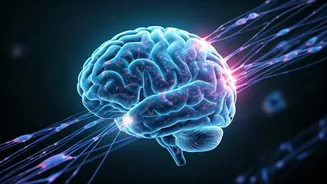
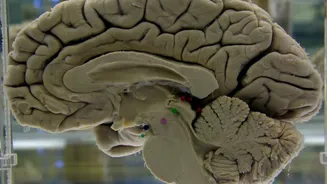
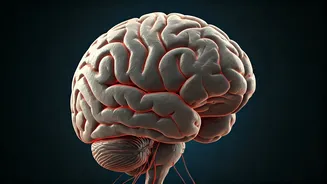
by increasing specific electrical patterns in the brain. Researchers observed heightened "ripples," which are brief, rapid bursts of neural activity, originating in the hippocampus, a brain region crucial for memory formation and retrieval. While the link between exercise and brain health has been long established, this research utilized implanted electrodes to directly monitor brain activity, offering unparalleled precision in observing these "ripples" in real-time. This direct measurement technique overcomes limitations of previous studies that relied on indirect methods like behavioral tests or broader brain imaging, which could not pinpoint the exact location and activity of these deep brain structures. The study, published in _Brain Communications_, offers a direct window into how exercise dynamically influences the brain's memory circuits.
Twenty Minutes to a Sharper Mind
In a novel investigation, 14 participants, aged 17 to 50, who were undergoing preparations for epilepsy surgery and already had intracranial electrodes implanted, engaged in a targeted exercise regimen. Following a brief 5-minute warm-up, they cycled on a stationary bike for 20 minutes at a self-selected, sustainable pace. Brain activity was meticulously recorded both before and after this exercise period. The analysis revealed a significant increase in the frequency of sharp-wave ripples originating from the hippocampus. Furthermore, these ripples showed increased connectivity with cortical regions, areas of the brain known to be deeply involved in learning and memory consolidation. These findings are pivotal, as sharp-wave ripples have been a subject of study in animal models for years, highlighting their central role in memory processes. Recent human studies using intracranial recordings have also underscored their importance, but this research is the first to definitively demonstrate that exercise can actively modulate these crucial ripple signals in the human brain. The study also noted a correlation: greater increases in heart rate during exercise were associated with more pronounced changes in ripple activity within the cortical networks.
Established Benefits of Movement
The established benefits of exercise for cognitive function are well-documented, with many experts highlighting it as a primary strategy for improving memory and learning. Physical activity plays a vital role by increasing the flow of oxygenated and nutrient-rich blood to the brain, which helps activate and energize brain cells more effectively. This enhanced circulation stimulates the generation of new neurons and boosts the production of brain-derived neurotrophic factor (BDNF), a critical molecule that fortifies connections between brain cells and supports learning processes. Additionally, exercise contributes to the formation of stronger connections between neurons, thereby reinforcing and deepening brain networks. From a metabolic perspective, physical activity also improves insulin sensitivity and blood sugar regulation, ensuring the brain receives a more consistent and stable supply of fuel. This consistent energy supply is crucial, as the brain is an exceptionally energy-demanding organ, consuming approximately 20 percent of the body's total energy despite its relatively small size.
Study Limitations and Future Directions
While the findings are compelling, the researchers acknowledge certain limitations. They were careful to exclude data contaminated by epileptic activity, but they note that the potential cumulative effects of epilepsy on the brain could not be statistically controlled. Importantly, the exercise-induced ripple patterns observed in this study closely mirrored those seen in healthy individuals using non-invasive brain imaging techniques like MRI. This consistency across different research methods suggests that the observed effects are not unique to epilepsy but represent a more general physiological response to exercise in the human brain. However, the study did not directly assess memory performance. Although hippocampal ripples are strongly implicated in memory processing based on decades of research, future studies aim to directly measure how exercise-induced ripple changes correlate with actual memory performance in the same participants. Further research is also planned to compare the specific effects of aerobic exercise at this intensity with other activities, such as quiet sitting or light movement, to determine the specificity of these cognitive benefits.
Embrace Your Brain's Workout
It is never too early or too late to incorporate exercise into your routine for the benefit of your brain health, regardless of age. Individuals across the lifespan, from young students to those in their nineties, can experience significant advantages from increased physical activity. The connection between physical activity and cognitive well-being spans all stages of human aging. While any form of exercise is beneficial, activities involving repetitive movements, such as swimming, jogging, and walking, are particularly effective. It's important not to let the perceived magnitude of establishing a comprehensive fitness routine deter you. Even incorporating brief "exercise snacks" throughout the day can contribute substantially to cognitive enhancement. Prioritizing these smaller, regular bursts of activity can be a highly effective strategy for maintaining and improving brain function over time.