





Probiotic Fundamentals Explained
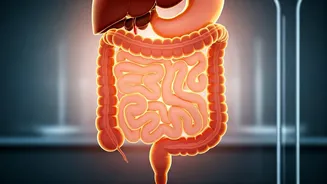
Probiotics, living microorganisms, are key players in maintaining gut health. They contribute to a balanced gut microbiome, which is essential for overall
well-being. A healthy gut microbiome aids digestion, strengthens the immune system, and can even influence mental health. These beneficial bacteria combat harmful organisms, helping to prevent various health issues. Including probiotic-rich foods in your diet can increase the population of these good bacteria, leading to a healthier and more robust digestive system, and improving your overall health. Many factors can disrupt the gut microbiome, including poor diet, stress, and antibiotics. Consuming probiotic foods helps replenish and support the microbiome, making it an excellent and natural approach to wellness. Adding probiotic rich foods to your diet can lead to many health benefits.
Pickles (Fermented Cucumbers)
Pickles, especially those fermented the traditional way, are a delicious source of probiotics. The fermentation process allows the naturally occurring bacteria to thrive, creating a tangy and beneficial treat. Unlike pickles made with vinegar, which don't contain live probiotics, traditionally fermented pickles offer the gut-friendly bacteria that can support your digestive system. They are typically made with water, salt, and cucumbers. This fermentation not only preserves the cucumbers but also enhances their nutritional value. Eating pickles introduces a variety of beneficial bacteria to your gut, which can assist in a more efficient digestion. Choosing traditionally fermented pickles is a simple, tasty way to add probiotics to your diet, and benefit your gut health. Look for options that are labeled as traditionally fermented in brine, and avoid those that include vinegar as a main ingredient.
Kombucha's Probiotic Potential
Kombucha, a fermented tea, is a popular probiotic beverage. This fizzy drink is created by fermenting sweetened tea with a symbiotic culture of bacteria and yeast (SCOBY). During fermentation, the SCOBY consumes the sugar and produces beneficial bacteria and acids. This results in a slightly tart, effervescent drink. Kombucha contains various strains of probiotics, which can contribute to a balanced gut microbiome. Drinking Kombucha can help with digestion and support your immune system. Its refreshing taste and potential health benefits make it a great addition to your diet. Keep in mind that not all kombucha products contain high levels of probiotics, so it's a good idea to opt for brands that emphasize the fermentation process. Kombucha is also full of antioxidants and can be a good substitute for sugary sodas.
Kimchi: Spice Up Digestion
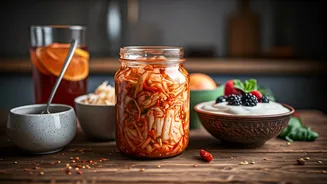
Kimchi, a staple in Korean cuisine, is a spicy and flavorful fermented dish. Made primarily from fermented vegetables, usually napa cabbage, kimchi is a powerhouse of probiotics. The fermentation process creates beneficial bacteria, lactic acid bacteria being the most prominent, which contribute to the health of your gut. Kimchi offers a unique flavor profile and can add zest to any meal. This fermented food aids in digestion and can also boost your immune system. The variety of ingredients used in kimchi, like garlic, ginger, and chili peppers, can also provide other health benefits. Adding Kimchi to your diet can improve gut health, and give you a daily dose of probiotics. Its complex flavors make it a versatile food that is great in side dishes, or as an ingredient in other delicious meals.
Sauerkraut's Gut-Friendly Goodness
Sauerkraut, or fermented cabbage, is another excellent source of probiotics. Similar to kimchi, sauerkraut's fermentation process produces beneficial bacteria that support gut health. Typically, cabbage is shredded and fermented in its own juices, creating a tangy and flavorful side dish. The lactic acid bacteria present in sauerkraut help with digestion and can enhance the absorption of nutrients. Besides being a probiotic powerhouse, sauerkraut is also a good source of vitamins and fiber. Eating sauerkraut adds a satisfying crunch and a boost of probiotics to your meals. Make sure to choose unpasteurized sauerkraut to obtain the live bacteria that are beneficial for your gut.
Miso's Fermented Flavor
Miso, a traditional Japanese food, is a fermented soybean paste often used in soups and sauces. This savory ingredient is made by fermenting soybeans with koji (a type of mold), salt, and water. This fermentation process creates a wealth of beneficial bacteria and enzymes. Miso is well-known for its umami flavor and its ability to enrich dishes. This ingredient is full of probiotics that promote digestive health. Consuming miso can also offer several vitamins and minerals. Miso's versatility allows you to add it to a wide range of recipes, providing both flavor and a probiotic boost to your diet.
Yogurt: A Dairy Delight
Yogurt, particularly plain yogurt, is a well-known probiotic food. Traditional yogurt is made by fermenting milk with live bacteria cultures, most commonly Lactobacillus and Bifidobacterium. These bacteria help transform milk into yogurt and also offer various health benefits. Yogurt is a readily available and convenient source of probiotics that supports gut health. It also contains protein, calcium, and other essential nutrients. You can incorporate yogurt into your diet in many ways, enjoying it as a snack, in smoothies, or as a topping for other meals. Look for yogurt brands that state they contain live and active cultures to ensure you receive the probiotic benefits.
Kefir: The Cultured Drink
Kefir, a fermented milk drink, is another outstanding source of probiotics. Similar to yogurt, kefir is produced by fermenting milk, but it uses a blend of bacteria and yeast. This unique fermentation process gives kefir a slightly tangy taste and a thicker consistency. Kefir contains a greater diversity of probiotic strains than yogurt, potentially offering a broader range of gut health benefits. Drinking kefir can support a healthy gut microbiome, aid digestion, and boost your immune system. You can easily drink kefir on its own, add it to smoothies, or use it in other recipes. Kefir is considered a superfood because it contains a wide array of good bacteria and nutrients. Enjoying kefir regularly can provide considerable benefits to your health.