







A New Era Dawns
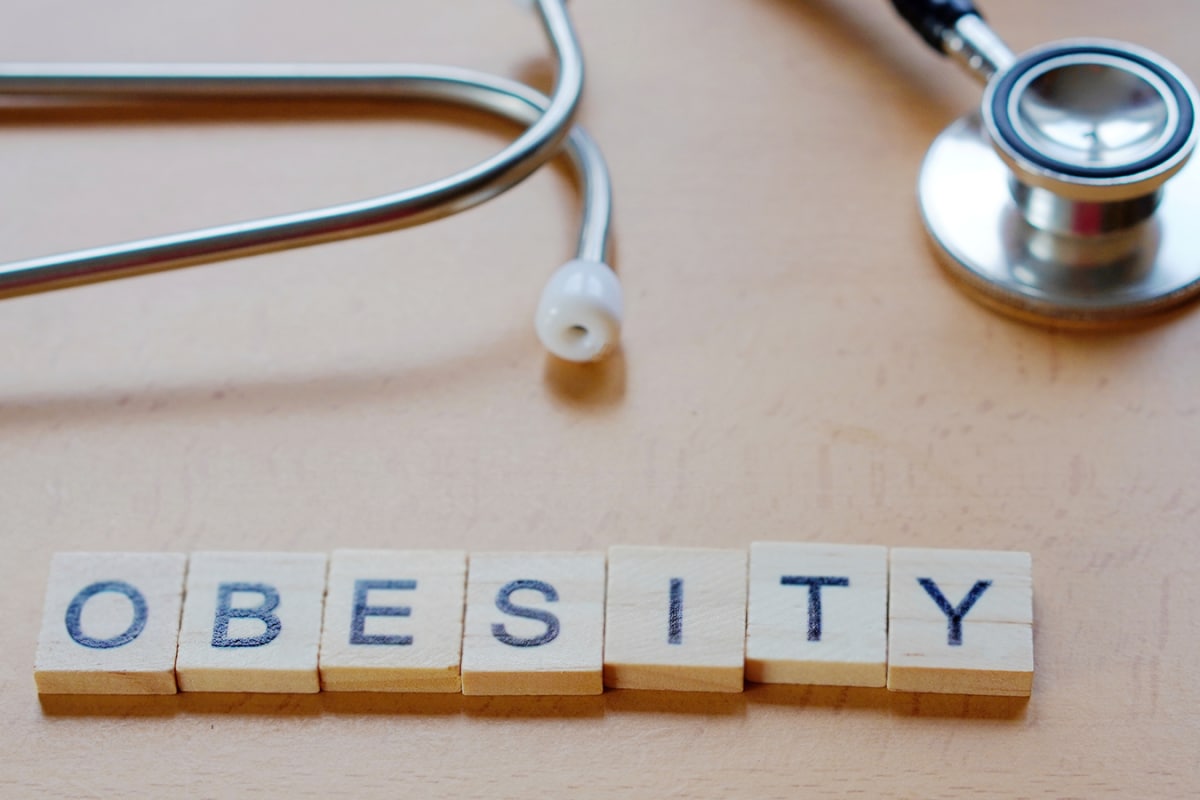
For years, the mantra for shedding pounds was straightforward: consume fewer calories and increase physical activity. However, the understanding of obesity
and overall metabolic well-being is undergoing a dramatic evolution. Medical breakthroughs, innovative pharmaceutical treatments, and a more profound grasp of how our bodies process energy are fundamentally changing the strategies doctors employ for weight management. The focus is shifting from merely achieving a lower number on the scale to viewing weight loss as an integral part of a comprehensive journey towards achieving metabolic equilibrium, fostering long-term health, and adopting sustainable lifestyle modifications. This paradigm shift signifies a move towards a more personalized and medically guided path, integrating various interventions tailored to individual needs, moving beyond traditional restrictive methods and surgical interventions.
The Rise of Medical Intervention
A significant driver of this evolving landscape is the advent of novel medications specifically designed to modulate appetite and enhance metabolic function. Drugs such as semaglutide, widely recognized by its brand names, have dramatically altered the perspectives of both patients and healthcare providers regarding weight loss. These pharmaceuticals operate by influencing the body's hunger cues and improving insulin sensitivity, which can contribute to consistent fat reduction over extended periods. Nevertheless, even with successful weight reduction, individuals might still encounter challenges related to diminished skin elasticity and altered body contours. Consequently, aesthetic and reconstructive surgical procedures are increasingly being considered as complementary aspects of post-weight-loss care. Significant or rapid weight loss often results in the loosening of skin and changes in the body's shape, and procedures aimed at skin tightening or body contouring play a vital role in restoring proportional and toned aesthetics once excess fat has been addressed.
Metabolic Health's Ascendancy
Beyond aesthetic considerations, medical professionals emphasize that optimizing metabolic health is becoming paramount for both proactive health maintenance and peak physical performance. There is a notable cultural shift occurring in India concerning how health is perceived. For individuals striving for high achievement, refining their metabolic processes is viewed as a strategic approach to sustaining long-term productivity and effectiveness. For others, this focus typically emerges only after encountering a health-related crisis. Ultimately, people are seeking tangible benefits and value from their investments in personal well-being. This growing recognition highlights metabolic health not as a mere luxury, but as a fundamental necessity for overall vitality and disease prevention, underscoring its importance across diverse segments of the population.
Navigating GLP-1 Therapies
While these new medications offer expanded treatment avenues, experts strongly advise against perceiving them as simple solutions for rapid weight loss. The prevailing medical view is that obesity is frequently not a matter of personal choice but rather a complex, chronic condition requiring professional medical management. This understanding is gradually shifting the narrative to acknowledge obesity as a distinct medical issue. Historically, GLP-1 therapies were prohibitively expensive, but their accessibility is increasing. With domestic pharmaceutical companies introducing semaglutide, what was once considered an exclusive treatment is poised to become more mainstream. However, increased availability introduces new potential hazards. These medications are potent metabolic tools, not casual wellness supplements. Without appropriate medical oversight, individuals may experience adverse effects such as pancreatitis, thyroid tumors, visual impairments, and severe digestive issues. Furthermore, a significant concern is the potential for muscle mass reduction. If appetite suppression occurs without sufficient protein intake and engagement in resistance training, individuals may lose lean muscle, which is crucial for metabolic activity. This loss can significantly increase the likelihood of regaining weight once medication is discontinued.
An Integrated Future
The next stage in effective weight management is anticipated to involve a collaborative effort among various medical disciplines. This includes specialists, dietitians, metabolic health coaches, and cosmetic surgeons working in concert. It is becoming increasingly common for doctors to initiate discussions about these interconnected aspects early in a patient's weight-loss journey, taking into account how metabolism, body composition, and physical appearance will evolve over time. Ultimately, the primary objective transcends mere weight reduction. It encompasses the restoration of metabolic balance, the preservation of muscle mass, the maintenance of healthy body composition, and the cultivation of enduring lifestyle habits. When weight management is approached comprehensively and holistically, it transforms from a pursuit of a specific number into a pathway toward achieving sustained vitality and overall well-being.