








Price Hikes Emerge
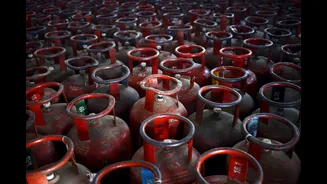
A noticeable uptick in street food prices is being felt across Indian cities as vendors grapple with escalating cooking gas expenses. This surge, directly
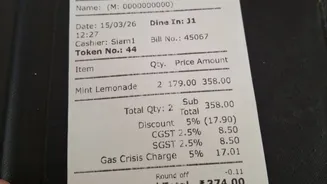
linked to disruptions in commercial LPG supply, is now impacting the affordability of everyday snacks and meals for many consumers. A recent survey by LocalCircles indicates that over half of the surveyed buyers have already observed price increases within a single week, highlighting the rapid transmission of cost pressures from the supply chain to the consumer. For a population that relies heavily on street food for budget-friendly and satisfying meals, even minor price adjustments can significantly alter household budgets. This situation underscores the vulnerability of the street food economy, a segment known for its sensitive pricing, to external supply shocks.
Vendor Struggles Unfold
Street vendors, the backbone of accessible street food, are finding themselves in a difficult position due to the LPG shortage. These small-scale operators predominantly rely on commercial LPG cylinders for their daily cooking operations, and disruptions in this supply chain create immediate operational challenges. Unlike larger establishments, street vendors often operate on extremely tight profit margins, leaving them with little buffer to absorb unexpected cost increases. The LocalCircles survey revealed that many vendors are experiencing delays in cylinder deliveries or are compelled to acquire LPG through less formal, and consequently more expensive, channels. Given that fuel constitutes one of their most substantial daily expenditures, vendors are frequently left with no viable alternative but to transfer these elevated costs directly onto their customers, impacting the final price of the food they serve.
Rapid Price Response
The swiftness with which street food prices react to supply chain disruptions, such as the current LPG shortage, sets them apart from more established restaurant settings. Street vendors typically procure their LPG in smaller quantities and lack the storage capacity to build significant reserves. Furthermore, many are not equipped with alternative cooking setups like electric or induction stoves, particularly in areas where consistent electricity supply is a concern. Consequently, any interruption in LPG availability directly translates into immediate increases in their operational expenses, which are then quickly reflected in the prices offered to consumers. This immediate pass-through mechanism ensures that market dynamics are closely mirrored in the cost of a plate of chaat or a steaming cup of chai.
Consumer Cutbacks Noted
In response to the escalating prices, a noticeable shift in consumer behavior is beginning to emerge. The LocalCircles survey indicates that a portion of consumers are starting to reduce their frequency of purchasing street food or are choosing to forgo certain items that have become noticeably more expensive. While individual price increases might seem minor, their cumulative effect over time can be substantial for households that depend on street food for their regular sustenance. Concerns have been voiced by several respondents regarding the potential for further price hikes should the LPG supply situation not stabilize in the near future. Although authorities maintain that overall LPG availability is adequate, these surveys highlight that street vendors are often the first segment to experience the pressure when supply chains tighten.