






The French Fry Debate
French fries, with their irresistible golden crispiness and comforting texture, have become a cultural staple, often accompanying celebrations and moments
of solace. However, in recent times, they've frequently been cast as a dietary villain, implicated in various health concerns, notably sharp fluctuations in blood sugar. This perception was amplified when a fitness influencer controversially urged viewers to completely 'eradicate' fries, labeling them a 'hyper-palatable' snack that triggers a 'blood-sugar roller coaster' due to their high fat and carbohydrate content, leading to a cycle of hunger shortly after consumption. This viral statement sparked a wider discussion about the actual nutritional standing of this popular food item.
Expert Nutritional Perspective
Aditi Prasad Apte, a Senior Clinical Nutritionist, clarifies that French fries are not inherently unhealthy, but their impact hinges significantly on preparation methods, frequency of consumption, and portion size. When prepared by deep-frying and consumed regularly, they can indeed contribute to weight gain, elevated blood pressure, and heart disease, primarily due to excessive calories, unhealthy fats, and sodium content. The high-temperature frying process can also lead to the formation of acrylamide, a compound with potential health risks. However, potatoes themselves are a valuable source of nutrients like fiber, potassium, and vitamin C. Healthier cooking techniques such as baking, air-frying, or using minimal oil can transform them into a significantly more beneficial option.
Metabolic Health Impacts
The consistent indulgence in French fries can affect metabolic health differently across genders. Daily consumption increases the likelihood of developing insulin resistance, type 2 diabetes, hypertension, and heart disease, largely attributed to their high calorie, salt, and unhealthy fat composition. Excessive sodium intake is particularly concerning for kidney health and can significantly raise blood pressure, while unhealthy fats contribute to increased LDL ('bad') cholesterol levels. Gender-specific hormonal differences also play a role. For women, frequent consumption might exacerbate insulin resistance and hormonal imbalances common in conditions like PCOS. In men, it can promote abdominal obesity, a well-established risk factor for heart disease.
Mindful Indulgence & Swaps
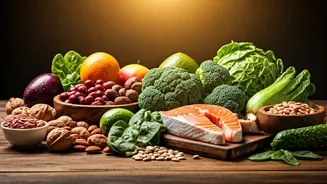
Enjoying French fries in moderation is entirely possible, with Apte suggesting a reasonable portion size of around 80-100 grams, equivalent to a small serving yielding approximately 200-300 calories, contingent on preparation. To satisfy cravings for a crunchy snack without compromising health, several nutritious alternatives are recommended. Air-fried sweet potato wedges offer a fiber and vitamin A-rich option. Roasted vegetables such as carrots, zucchini, beetroot, or pumpkin can provide a satisfying treat with fewer calories. Other appealing choices include baked potato wedges with skin, cauliflower bites, and roasted chickpeas, all offering a pleasing crunch and enhanced nutritional profiles.
Managing Cravings Wisely
Many individuals, particularly women, report intensified cravings for fries during PMS. Apte explains this phenomenon as a result of hormonal shifts, where fluctuating estrogen and progesterone levels can decrease serotonin, prompting a desire for salty, high-carbohydrate foods like fries. While these may offer a temporary mood boost, the high salt content can worsen bloating. Effective management of such cravings involves adopting a balanced diet rich in protein, fiber, and magnesium, ensuring adequate hydration, and prioritizing sufficient sleep. Allowing oneself a small, controlled portion occasionally can prevent overindulgence and maintain overall dietary equilibrium.