





Understanding the Ferry System
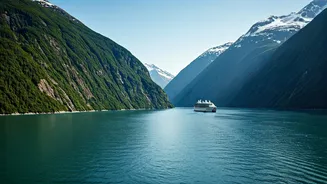
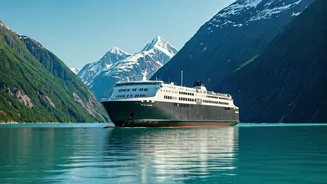
Alaska's Marine Highway System (AMHS) serves as a vital transportation artery, connecting over 30 coastal communities and offering a distinctive way to
witness the state's unparalleled natural beauty. More than just a ferry service, it functions as a scenic cruise, a vehicle transport, and an indispensable lifeline for many remote Alaskan towns. The system's history traces back to 1948, evolving from a small transport operation into a state-run entity by 1963, significantly improving connectivity and enabling residents to travel more easily between towns. The routes span a vast 3500-mile scenic byway, recognized as an All-American Road, attracting independent travelers with their vehicles, RVs, bicycles, and motorcycles. This network is crucial for both daily life and commerce in these isolated areas, with vessels known affectionately as "blue canoes" by locals. The AMHS fleet covers three of Alaska's five regions—Southeast, Southcentral, and Southwest—operating on a system of approximately 30 routes that vary in duration from a few hours to over a day, with the longest single trip lasting 38 hours from Bellingham, Washington, to Ketchikan.
Navigating Routes and Destinations
The Alaska Marine Highway System offers diverse routes catering to various travel desires, with the Inside Passage being the most popular. Key destinations span three distinct regions: Southeast Alaska, including vibrant towns like Juneau, Ketchikan, and Skagway; Southcentral Alaska, featuring ports such as Valdez, Homer, and Seward; and Southwest Alaska, reaching as far as Kodiak and Dutch Harbor. For those seeking a taste of Alaska's renowned fishing industry and pristine wilderness, the Whittier to Valdez route in Southcentral Alaska is a five-hour journey through placid bays and craggy coves, backed by the majestic Chugach National Forest. This route is ideal for a round-trip experience, connecting via highways to Anchorage and Fairbanks, and offers chances to observe fishing vessels, kayakers, and even icebergs from the Columbia Glacier. In Valdez, exploring local history at the Valdez Museum, including accounts of the 1964 earthquake and the Exxon Valdez oil spill, is recommended, as is a visit to a nearby hatchery for wildlife viewing. Another compelling option is the Southeast's Juneau to Haines route, a scenic four-hour sail along Lynn Canal, where whale, seal, and eagle sightings are common. Haines, situated near the Canadian border, provides a more relaxed, less tourist-centric experience than nearby Skagway, making it perfect for hiking, paddling, and cultural immersion, and also serves as a gateway to the Yukon Territory. For the truly adventurous, the Southwest route from Homer to Dutch Harbor presents an expedition into remote coastal Alaska, often involving an overnight Gulf of Alaska crossing to Kodiak Island, followed by onward journeys towards the Aleutian Islands, with possibilities of witnessing active volcanoes and abundant marine life.
Booking Your Passage
Securing your spot on the Alaska State Ferry is best done through the official Alaska Marine Highway System website, though reservation agents are readily available by phone for assistance. It's crucial to book well in advance, particularly for the peak summer season, as tickets, especially for popular Southeast and Southwest routes, are in high demand. If you plan to transport a vehicle, reserving space early is paramount due to limited capacity. For overnight voyages, booking a stateroom is highly recommended over sleeping in common areas or on deck. These cabins, available for single or double occupancy, typically feature bunk-style beds and private bathrooms, and are essential for comfort on multi-day journeys; early booking is critical as they sell out rapidly. For those embracing an "al fresco" adventure, specific upper decks may permit small tents, provided they are securely fastened with duct tape to prevent wind damage. Lounge chairs in solarium areas might also be available, though not on all vessels. It is imperative to use onboard lockers for valuables, as any belongings left in common areas or on deck are exposed. Schedules for the summer season are generally released in early spring, and maintaining flexibility with travel dates can significantly increase your chances of securing a ticket, especially around weekends and holidays.
Life Onboard the Ferry
Life aboard the Alaska Marine Highway ferry offers a distinctively independent travel experience, quite different from a typical cruise. During the busy summer months, common spaces can become quite occupied as passengers claim spots for the duration of their journeys. If you haven't reserved a stateroom, it's wise to have coins ready for lockers to safeguard your valuables. Embracing the communal spirit by dining in the vessel's cafeteria provides an excellent opportunity to connect with fellow travelers and gain insights into coastal Alaskan life. For multi-day itineraries, bringing your own provisions, such as a reusable water bottle, a mug for hot beverages, and snacks or camp-style meals, is a practical suggestion, as onboard food options can vary. While some ferries feature dining facilities, others may only offer limited concessions, making personal supplies a valuable addition to your journey. Passengers should also be aware that while elevators are available on all ferries, only specific staterooms on vessels equipped with cabins are wheelchair accessible. Pets are permitted but are restricted to the car deck or a vehicle; owners cannot remain with their pets for the entire voyage due to US Coast Guard regulations, with limited pet relief breaks announced approximately every eight hours on longer sailings. Service animals, however, are permitted to accompany their handlers at all times, while comfort and therapy animals adhere to the same rules as other pets.
Essential Packing and Tips
To fully enjoy your Alaska Marine Highway journey, thoughtful packing is key. Due to Alaska's unpredictable weather, bringing layers of clothing, including waterproof and windproof outer shells, is essential for spending time outdoors on deck. Non-slip waterproof footwear is also a must to navigate potentially wet conditions safely. For those planning to camp, ensure you pack all necessary gear, as it is not available for rent or purchase onboard. Binoculars are invaluable for spotting whales, eagles, and other wildlife, which ferry crews often announce as they are sighted. Don't forget a camera to capture the breathtaking scenery. To keep yourself entertained during longer stretches, consider bringing books, games, or downloading movies beforehand. Personal food and non-alcoholic beverages are allowed in the cafeteria, and a cooler is useful for keeping perishable items fresh. While alcohol is permitted only within staterooms, onboard food and drinks can be purchased. A government-issued ID, charging cords for your devices, and cash or credit cards for onboard purchases are also necessary. Remember to pack with flexibility in mind, as ferry schedules can sometimes be subject to change due to weather or other unforeseen circumstances. This journey is about embracing the journey itself, so be prepared for a relaxed pace and the opportunity to immerse yourself in the wild beauty of Alaska.