





Ladakh's Purple Peaks
Mid-March found our group venturing south from Leh into Hemis National Park, a journey that began with a stunning introduction to Lungmar Valley. The landscape,
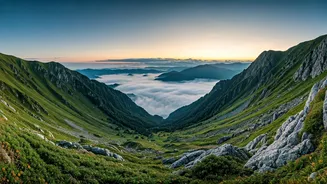
forged by ancient geological forces, presented mountains etched with deep fissures and cloaked in an ethereal purple hue. Leafless trees like poplars and willows added splashes of ochre and maroon against the dramatic backdrop, creating a scene reminiscent of a painter's canvas. The remote camp, our dwelling for the week, seemed to float between the sky and the valley floor, perfectly mirroring the amethyst tones of its surroundings, giving the region its evocative name: Lungmar.
First Snow Leopard Sighting
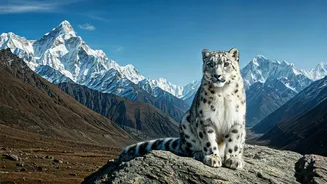
Our initial destination was T-point, a designated viewing area, where experienced spotters with their high-powered scopes awaited us. Their expert eyes were fixed on a distant, rugged rock formation. Though my own binoculars revealed nothing, the view through a Swarovski scope was transformative. There, perched regally, was the camouflaged form of a rosette-patterned snow leopard, its long tail trailing elegantly. This moment of revelation elicited an immediate thrill, a palpable excitement that was mirrored by the spontaneous joy of my companion, a polar expert on her first visit to India. The snow leopard's habitat, often called the Third Pole, is a critical reservoir of ice and snow, vital for supplying water to a significant portion of the global population.
Wildlife and Wild Encounters
The subsequent hours were a mesmerising observation of the great cat’s movements. We watched it traverse the skyline, descend steep slopes with surprising agility, and keep a watchful eye on the wild blue sheep inhabiting the surrounding mountains. Amidst these sightings, warming chai and delicious paratha-omelettes provided comfort, but the true sustenance came from the breathtaking scenery, the calls of whistling snowcocks, and the invigorating crisp air. This initial glimpse, while immensely satisfying, was merely the prelude to further discoveries. Our expedition leaders, Nat Geo explorer Sandesh Kadur and Voygr Expeditions CEO Behzad Larry, had orchestrated an unforgettable experience, even prior to our arrival at the camp, with confirmed sightings of Eurasian lynxes in the Wari-la area, including a male with distinct ear tufts and a mother with her young ones expertly hunting hares.
The Lodge and Its Charm
Upon settling into Lungmar Remote Camp, we explored the lodge itself, a testament to local craftsmanship, built with natural materials like mud bricks, stone, and wood. The five luxurious suites on the upper level boasted terraces offering expansive views of the landscape. The camp also featured a small boutique showcasing artisanal collections from local designers. For those preferring a more rustic experience, a cluster of six comfortable tents provided an equally immersive connection with nature. This blend of comfort and wildness defined the essence of our stay.
A Hidden Abode
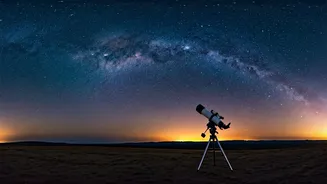
The lodge itself was a sanctuary, a place designed for relaxation and reflection. We spent time in a comfortable sitting area, gazing out at the dramatic scenery through large glass windows, surrounded by an intriguing library and striking photographs taken by Behzad. Meals, a delightful fusion of Ladakhi, Indian, and Italian cuisines, were prepared by a highly skilled chef and served with grace by local staff. Evenings were filled with conversation and games, including a playful session of guessing collective nouns for animals, which sparked humorous exchanges about our own unique attributes. The lodge truly felt like a secluded hideaway, nestled in a protected area, inhabited by only a few. At night, the absence of artificial light revealed a dazzling expanse of stars, and the crisp, wild mountain air was an invigorating embrace.
Conservation's Ripple Effect
The presence of wildlife, including the snow leopard and blue sheep, offered profound insights into adaptation and survival. The snow leopard, a symbol of resilience, is also a crucial indicator of climate change. The Trans-Himalayan region, a vital water source for much of Asia, faces threats from receding glaciers and reduced snowfall, impacting groundwater levels. This alarming trend underscores the importance of responsible tourism. Visitors are encouraged to forge a connection with this fragile environment and become advocates for its protection. This sentiment was reinforced by conversations with local villagers, who shared their traditional reliance on amchi, la, and rinpoche for guidance, and their unique connection to the land. Visits to a small school and walks with shepherdesses tending their pashmina goats offered further glimpses into the local way of life, often amidst the striking mauve dust of the mountains.
The Art of Spotting
The daily ritual of snow leopard spotting began early, with dedicated spotters fanning out across various terrains, equipped with powerful scopes. Their keen eyes scanned ridges for any hint of movement or unusual coloration, often drawn to the vicinity of blue sheep herds or alerted by the calls of magpies. Joining these expeditions offered an intimate perspective on the search. One particularly memorable morning, we ascended Lato Point, where the mountains were dusted with a light layer of snow. As the sun rose, it illuminated the clouds and an ancient monastery, while blue sheep tracks winding across the slopes led us to a breathtaking sighting. This serene moment, etched against a heavenly backdrop, remains a cherished memory.
From Threat to Prosperity
The transformation in local attitudes towards the snow leopard is a remarkable conservation success story. Once feared and persecuted as predators of livestock, they are now the very engine of the local economy. Their presence has spurred a winter tourism boom, with homestays and lodges flourishing and creating a demand for guides, spotters, and support staff. Improved road networks and mobile connectivity have also facilitated wildlife viewing and the sharing of information. This shift demonstrates how appreciating and protecting wildlife can lead to tangible economic benefits for communities, fostering a sustainable coexistence.
A Legendary Hunt Witnessed
An extraordinary event unfolded when Sandesh received news of a snow leopard successfully hunting an ibex in Mangyu village. We promptly journeyed there, joining onlookers at a respectful distance on a dirt path, observing the predator on a mountain. Through scopes and film crew monitors, we watched the huntress, visibly limping as she fed. The recounting of her daring hunt, a dramatic tumble downhill involving predator and prey, rocks, and gravity, was replayed repeatedly. Witnessing the aftermath of such a hard-fought survival was a profound experience, highlighting the raw power and tenacity of nature.
An Unforgettable Close Encounter
Our final day in Lungmar valley brought one last, astonishing encounter. A snow leopard, just eighty meters away, emerged from the undergrowth where it had apparently attempted to prey on a shepherd's goat, which had thankfully been rescued. We observed it cautiously, and as dusk approached, it moved with fluid grace, passing us at a remarkably close distance. Through the scope, I could discern its subtle expressions, even the fine dotted lines on its chin. As it approached within fifty meters, its gaze locked onto mine, a moment of intense connection that sent a shiver down my spine. Though snow leopards are not known to attack humans, this fleeting proximity created an unforgettable thrill, solidifying a deep and lasting bond with this wild landscape and its magnificent inhabitants.