
Bean Basics Unveiled
The humble mung bean transforms into two culinary stars: whole moong dal and yellow moong dal. While sharing a common origin, their journey to your plate
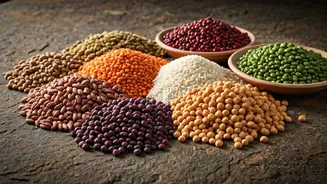
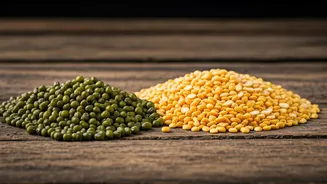
involves distinct processing that significantly alters their identity. Whole moong retains its entire green casing, offering an earthy robustness and a firmer bite. In contrast, yellow moong dal is born from splitting the bean and shedding its green coat, resulting in smaller, vibrant yellow pieces that cook down to a smoother, softer consistency. This fundamental difference in form dictates everything from cooking duration and texture to their specific roles in the vast landscape of Indian cuisine, from comforting khichdi to refreshing summer preparations.
Texture and Taste Profiles
The presence of the outer skin on whole moong dal imbues it with a distinctly firmer, slightly grainy texture after cooking. This skin also contributes to a more pronounced earthy flavour profile, often accompanied by a subtle nuttiness that adds depth to dishes. Yellow moong dal, having shed its skin and been split, offers a completely different tactile and gustatory experience. It cooks down to a much softer, smoother, and creamier consistency, making it incredibly palatable and less assertive in flavour, with a mild and delicate taste that readily accepts accompanying spices and aromatics. This textural divergence makes whole moong ideal for preparations where a defined bite is desired, such as in salads or sprouts, while yellow moong dal excels in dishes requiring a velvety, homogenous finish.
Fibre and Digestibility Matters
A key differentiator between whole moong and yellow moong dal lies in their fibre content and subsequent digestibility. The intact green skin of whole moong dal is a powerhouse of dietary fibre, contributing to its slightly darker hue and a more substantial, heavier feel. This higher fibre content aids in slower digestion and promotes a feeling of fullness, making it an excellent choice for health-conscious meals. Yellow moong dal, with its skin removed, naturally possesses less fibre. The processing also renders it more easily digestible, making it a favoured option for those with sensitive stomachs or during warmer months when lighter meals are preferred. Both forms, however, remain commendable sources of plant-based protein, iron, and essential nutrients, supporting balanced nutrition.
Cooking Styles and Versatility
The distinct characteristics of whole and yellow moong dal naturally lend themselves to different cooking approaches and a wide array of culinary applications across India. Whole moong dal, owing to its firmer texture and higher fibre, is often preferred for dishes where the lentils are meant to hold their shape and offer a satisfying chew, such as in vibrant salads, sprouted chaats, or hearty curries that benefit from a textured element. Yellow moong dal, on the other hand, is the go-to for quick, comforting preparations due to its faster cooking time and tendency to break down into a smooth consistency. It is the quintessential dal for 'tadka' or 'fry' dishes, forms the creamy base for nutritious khichdi, and can even be ground for delicate pancakes and dosas, showcasing its versatility in everyday Indian kitchens.
Nutritional Highlights and Choice
When considering everyday eating habits and nutritional goals, both whole moong dal and yellow moong dal offer valuable contributions, yet cater to slightly different needs. Whole moong dal stands out for its superior fibre content, approximately 8g per serving, supporting digestive regularity and satiety, making it a fantastic choice for those aiming for weight management or better blood sugar control. Yellow moong dal, while containing less fibre at around 4g per serving, offers easier digestibility, making it a lighter option, particularly suitable for the summer season or for individuals who find legumes challenging. Both provide comparable amounts of protein (around 14g for whole moong and 13g for yellow) and essential minerals like iron. Ultimately, the choice hinges on whether the priority is maximum fibre and texture with whole moong, or quicker cooking and gentle digestion with yellow moong dal.