





Heat's Scalp Impact
Contrary to common assumptions that link dandruff primarily to cooler months, the sweltering summer climate can surprisingly exacerbate scalp issues. When
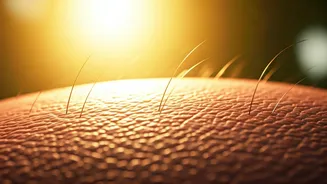
the ambient temperature rises, our bodies naturally respond by increasing perspiration, including on the scalp. This excess sweat, when it mixes with natural skin oils and accumulated environmental debris like dirt or styling product residue, can lead to a buildup. This congestion can clog hair follicles and create an environment ripe for irritation. From an Ayurvedic viewpoint, this physiological response is often attributed to an imbalance known as aggravated pitta dosha, which is intrinsically related to excessive bodily heat. This internal warmth can manifest externally as discomfort and inflammation on the scalp, contributing to the formation of flakes and itching, even when it's not winter.
Humidity's Fungal Friend
The presence of high humidity in the summer air plays a crucial role in amplifying dandruff issues. Humidity essentially means there's a lot of moisture in the atmosphere, which significantly hinders the natural evaporation process of sweat from your scalp. This prolonged dampness creates an exceptionally favorable microclimate, turning your scalp into a breeding ground for naturally occurring fungi, such as Malassezia, which are commonly associated with dandruff. When these fungi proliferate, they can irritate the scalp, leading to increased cell turnover and the characteristic flaking. This is why, even when your scalp feels oily due to the heat, it can simultaneously appear flaky, a perplexing combination that humidity helps explain.
Oil and Product Overload
The elevated temperatures characteristic of summer also stimulate our sebaceous glands to produce more oil, or sebum, than usual. This heightened oil production, combined with the accumulation of dirt and residues from hair care products, can lead to a significant buildup on the scalp. This dense layer can feel heavy, cause discomfort, and lead to persistent itching. Moreover, this buildup can create an environment that may further irritate the scalp and contribute to inflammation, thereby intensifying dandruff symptoms. Maintaining a clean scalp by effectively removing this excess oil and product residue is therefore essential for mitigating summer scalp woes.
Washing Wisdom: Finding Balance
The frequency with which you wash your hair can significantly impact scalp health, especially during summer. Many individuals err on the side of extremes: some wash their hair too frequently, stripping away the scalp's natural protective oils, which can paradoxically lead to increased oil production or dryness. Others might neglect regular washing, allowing sweat, oil, and environmental impurities to accumulate, creating the ideal conditions for irritation and fungal growth. The key to managing summer dandruff lies in finding a healthy equilibrium. This means adopting a washing routine that effectively cleanses the scalp without over-drying it, ensuring that the natural moisture barrier is maintained while preventing the detrimental buildup of impurities.
Scalp's Subtle Signals
Your scalp often provides early warning signs that something is amiss, but these subtle cues are frequently overlooked until they escalate into full-blown dandruff. Mild itching, slight redness, or a sticky sensation on the scalp are not to be dismissed. These are indicators that the scalp's environment is becoming compromised. Heeding these signals early allows for intervention before the condition worsens significantly. Addressing summer dandruff effectively doesn't necessitate harsh treatments; rather, it emphasizes the importance of maintaining a harmonious scalp ecosystem through consistent cleanliness, soothing practices, and diligent removal of any accumulated buildup. By balancing internal heat and employing appropriate external care, a healthy and comfortable scalp can be restored.